

Afrika Bambaataa never became a billionaire or a mainstream pop star — but his influence on music and culture exceeds that of many who did. The South Bronx DJ and activist who founded the Universal Zulu Nation in 1973 and released the landmark “Planet Rock” in 1982 helped invent hip-hop, electro-funk, and the cultural philosophy that unified a generation. At the time of his death on April 9, 2026, his net worth was estimated at approximately $500,000 — modest by celebrity standards, but his cultural legacy remains immeasurable.
| Full Name | Kevin Donovan (birth name); Afrika Bambaataa Aasim |
|---|---|
| Date of Birth | April 17, 1957 |
| Date of Death | April 9, 2026 (age 68) |
| Nationality | American |
| Profession | DJ, Producer, Community Organizer |
| Net Worth | ~$500,000 (at time of death) |
| Known For | “Planet Rock” (1982), Universal Zulu Nation founder |
| Cause of Death | Prostate cancer |
Early Life: The South Bronx in the 1970s
Kevin Donovan was born on April 17, 1957, in the South Bronx, New York City — one of the most economically deprived urban areas in America at the time. He grew up during the crack epidemic’s precursor era, amid gang violence and urban decay. As a teenager, he joined the Black Spades, one of the Bronx’s most powerful street gangs, eventually rising to a leadership position.
The turning point came when he attended a James Brown concert and saw how the music transformed a crowd. Inspired by DJ Kool Herc’s innovative block party DJing in the Bronx, and deeply influenced by the teachings of the Nation of Islam and Marcus Garvey’s Black nationalism, Donovan — who took the name Afrika Bambaataa — pivoted from gang leadership to music and community organizing. In 1973, at just 16 years old, he founded the Universal Zulu Nation, a cultural organization that used music, art, and dance to redirect youth away from violence.
Career Timeline: From Block Parties to “Planet Rock”
Bambaataa began DJing block parties in the South Bronx in the early 1970s, becoming one of the three key figures — alongside DJ Kool Herc and Grandmaster Flash — credited with inventing hip-hop. His signature innovation was the use of unexpected, genre-crossing records — German electronic music from Kraftwerk, rock records, and funk — mixed into his sets in ways no DJ had tried before.
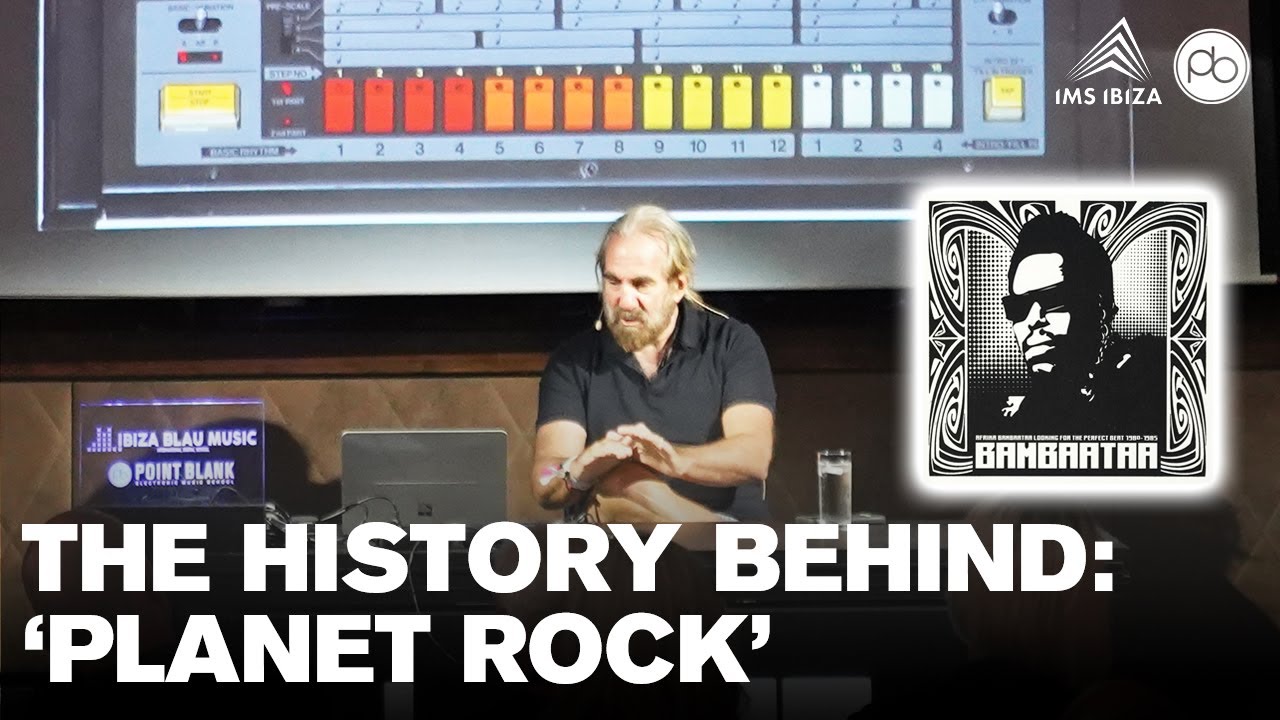
His 1982 single “Planet Rock” (recorded with the Soul Sonic Force on Tommy Boy Records) became a transformative moment in popular music. Sampling Kraftwerk’s “Trans-Europe Express” and “Numbers,” and layering them with an 808 drum machine, the record created a new genre — electro-funk — and directly influenced everything from techno and house to modern hip-hop production. It reached number 4 on the UK charts and entered the US R&B Top 5.
Through the 1980s and 1990s, Bambaataa continued recording and performing, though he never replicated the commercial success of “Planet Rock.” Notable recordings include “Looking for the Perfect Beat” (1983), “Renegades of Funk” (1983), and “Unity” (1984) — a peace anthem recorded with James Brown. He collaborated with artists including John Lydon (of the Sex Pistols), UB40, and Nona Hendryx across his career.
Net Worth: A Pioneer’s Financial Reality
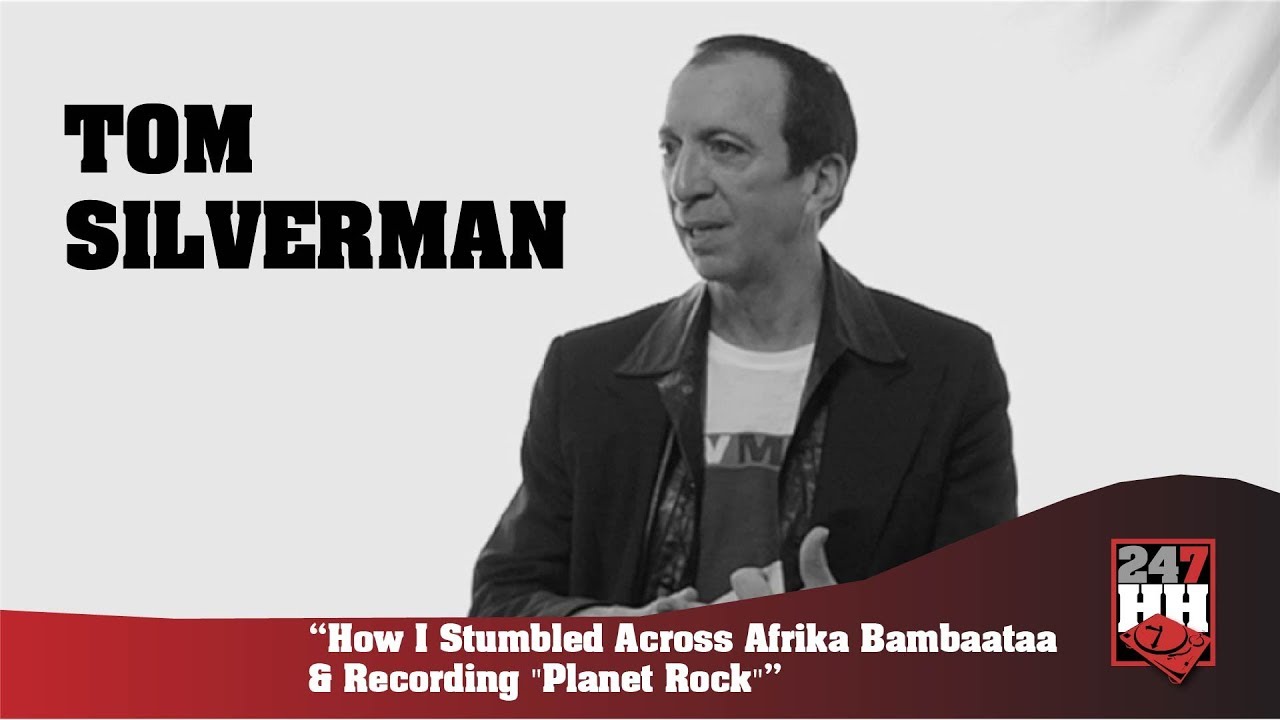
Despite his enormous cultural impact, Afrika Bambaataa’s financial legacy was far more modest than his artistic one. His net worth at the time of his April 2026 death was estimated at approximately $500,000. The music industry of the 1970s and 1980s was notoriously exploitative of Black artists, and Bambaataa’s recording deals — while culturally significant — did not make him wealthy. He was primarily a community organizer and DJ rather than a mainstream commercial artist.
| Income Source | Estimated Amount | Type | Notes |
|---|---|---|---|
| Music Royalties (“Planet Rock” etc.) | $10–30K/year | Annual (personal) | Ongoing royalties from “Planet Rock” samples and covers |
| Live DJ Performances | $2–5K per show (historical) | Annual (personal) | Reduced significantly after 2016 controversy |
| Tommy Boy Records catalogue | Limited share | Cumulative | 1980s-era recording contracts typically favored labels |
| Universal Zulu Nation | Non-profit | N/A | Cultural organization, not a commercial enterprise |
| Estimated Net Worth at Death | ~$500,000 (2026) | ||

Legacy, Controversy, and Death
In May 2016, multiple men came forward alleging that Bambaataa had sexually abused them when they were minors, incidents they said occurred from the 1970s onward. Bambaataa denied the allegations, but stepped down from leadership of the Universal Zulu Nation, which he had led for over four decades. In 2025, a judge issued a default judgment against him in a sex trafficking civil lawsuit after he failed to appear in court; a settlement was paid out. The allegations significantly damaged his public standing in his later years.
On April 9, 2026, Afrika Bambaataa died in Pennsylvania from prostate cancer, eight days before what would have been his 69th birthday. His death prompted widespread tributes from hip-hop artists, music historians, and cultural figures who credited him as a founding architect of the genre. Grandmaster Flash, Ice Cube, and Questlove were among those publicly acknowledging his foundational role in creating hip-hop, even as others noted the unresolved legacy of the abuse allegations.
Global Influence and Collaborations
Afrika Bambaataa’s influence extended far beyond the South Bronx. Through the Universal Zulu Nation, he established hip-hop chapters across the United States, Europe, Asia, and Africa — creating what became the world’s first global hip-hop network. He performed at major festivals worldwide and collaborated with a diverse range of artists that defied genre boundaries. His work with the Sex Pistols’ John Lydon on “World Destruction” (1984) demonstrated hip-hop’s capacity to merge with punk rock, while his collaboration with James Brown on “Unity” connected the old soul tradition with the new hip-hop movement.
His DJ sets at institutions like the Roxy in New York City and club tours in the UK and Europe in the early 1980s were among the first live exposures European audiences had to hip-hop culture. British artists including members of the emerging electronic scene — and later acid house and rave culture — frequently cited Bambaataa as a foundational influence. The Roland TR-808 drum machine that defined “Planet Rock” became the backbone of everything from pop production to Memphis rap to modern trap music, making Bambaataa’s sonic fingerprint one of the most widely heard in the history of recorded music.
Little-Known Facts About Afrika Bambaataa
- His name “Afrika Bambaataa” comes from a 19th-century Zulu chief named Bambatha who led a resistance against British colonial taxation in 1906 — Bambaataa adapted the spelling.
- He was among the first DJs to use Kraftwerk’s electronic music in hip-hop sets, long before electronic music was accepted in Black music spaces.
- The Universal Zulu Nation grew to chapters in over 40 countries at its peak, making it one of the most geographically dispersed hip-hop organizations in history.
- He appeared in the 2005 film “Dave Chappelle’s Block Party,” celebrating the roots of hip-hop culture in the Bronx.
- “Planet Rock” is credited by many producers — including Pharrell Williams and Kanye West — as a primary influence on how they approach sampling and drum machine production.
What was Afrika Bambaataa’s net worth at death?
Afrika Bambaataa’s net worth was estimated at approximately $500,000 at the time of his death in April 2026. Despite being a foundational figure in hip-hop, he was primarily a community organizer and DJ rather than a mainstream commercial artist, and 1980s-era music contracts typically did not make artists wealthy.
How did Afrika Bambaataa die?
Afrika Bambaataa died on April 9, 2026, in Pennsylvania, from prostate cancer. He was 68 years old, passing away eight days before his 69th birthday. His death was confirmed by his lawyer and reported by Billboard, TMZ, and NBC News.
What is Afrika Bambaataa’s most famous song?
His most famous and influential song is “Planet Rock” (1982), recorded with Soul Sonic Force on Tommy Boy Records. It sampled Kraftwerk’s “Trans-Europe Express” and “Numbers,” creating the electro-funk genre and directly influencing the development of techno, house, and modern hip-hop production.
What was the Universal Zulu Nation?
The Universal Zulu Nation was a hip-hop cultural organization founded by Afrika Bambaataa in 1973 in the South Bronx. It was designed to redirect youth away from gang violence through music, art, dance (breakdancing), and graffiti. At its peak it had chapters in over 40 countries and was one of the primary vehicles for spreading hip-hop culture globally.
Why did Afrika Bambaataa leave the Zulu Nation?
In May 2016, Afrika Bambaataa stepped down from leadership of the Universal Zulu Nation after multiple men came forward with allegations of childhood sexual abuse spanning several decades. Bambaataa denied the allegations. In 2025, a default judgment was entered against him in a sex trafficking civil case when he failed to appear in court.