

Barry Hawkins’s net worth is estimated at £2 million (~$2.5 million) as of 2026 — built across more than two decades of professional snooker, five ranking titles, two World Championship final appearances, and a remarkable second wind in his mid-forties. Few players in the modern era have been as consistently excellent — or as consistently underrated — as the man they call “The Hawk.”
Barry Hawkins Quick Facts
| Full Name | Barry Hawkins |
|---|---|
| Date of Birth | April 23, 1979 |
| Age | 47 years old |
| Birthplace | Ditton, Kent, England |
| Nationality | English / British |
| Profession | Professional Snooker Player |
| Net Worth | £2 million (~$2.5M, 2026 estimate) |
| Spouse/Partner | Linda Hawkins |
| Known For | Five ranking titles; two World Championship finals (2013, 2016); 2026 Welsh Open champion |
How Does Barry Hawkins Make Money?
| Income Source | Estimated Amount | Type | Notes |
|---|---|---|---|
| Tournament Prize Money | £80,000–£200,000/year | Annual (personal) | Varies based on results; titles add significantly |
| Player Appearance Fees | £20,000–£40,000/year | Annual (personal) | Invitational and exhibition events |
| Sponsorship & Endorsements | £15,000–£30,000/year | Annual (personal) | Cue manufacturer deals |
| Career Prize Money (cumulative) | ~£2.1 million | Cumulative | Total career prize money before tax |
| Estimated Net Worth | £2 million (~$2.5M, 2026) | ||
Early Life and Career Beginnings
Barry Hawkins was born on April 23, 1979, in Ditton, Kent — a village on the outskirts of Maidstone in south-east England. Like many snooker players of his generation, he developed his game in local clubs during his teenage years. Kent has produced several professional snooker players, and Hawkins benefited from a grassroots club culture that gave young talent time and space to improve.
Hawkins turned professional in the late 1990s and spent several years working his way up through the lower tiers of the professional tour. The early years of a professional snooker career are financially challenging — prize money at qualifying stages is modest, and players often rely on local sponsorship and family support. Hawkins’s journey was steady rather than spectacular, gradually building the consistency and tactical awareness that would define his later career.
By the mid-2000s, Hawkins had established himself as a solid professional. His break-building ability and tactical instincts were noted by commentators, but ranking title wins remained elusive. That patience and persistence would eventually pay off.
Barry Hawkins Ranking Titles and Career Highlights
The defining chapter of Barry Hawkins’s career came in 2013, when he reached the World Snooker Championship final at the Crucible Theatre in Sheffield for the first time. To get there, he defeated several world-class opponents, and his composed tactical approach earned widespread respect. He ultimately lost the final to Ronnie O’Sullivan, but his performance announced him as a genuine title contender. He also won ranking titles that season, establishing himself firmly among the world’s top 16.
Three years later, in 2016, Hawkins returned to the World Championship final — a feat achieved by very few players in the modern era. He faced Mark Selby, widely considered one of the finest tactical players of his generation, and again fell short. Two World Championship finals without the title is a rare and unfortunate distinction, yet Hawkins refused to be defined by those near-misses. He continued to accumulate ranking titles and maintain a top-16 ranking across subsequent seasons.
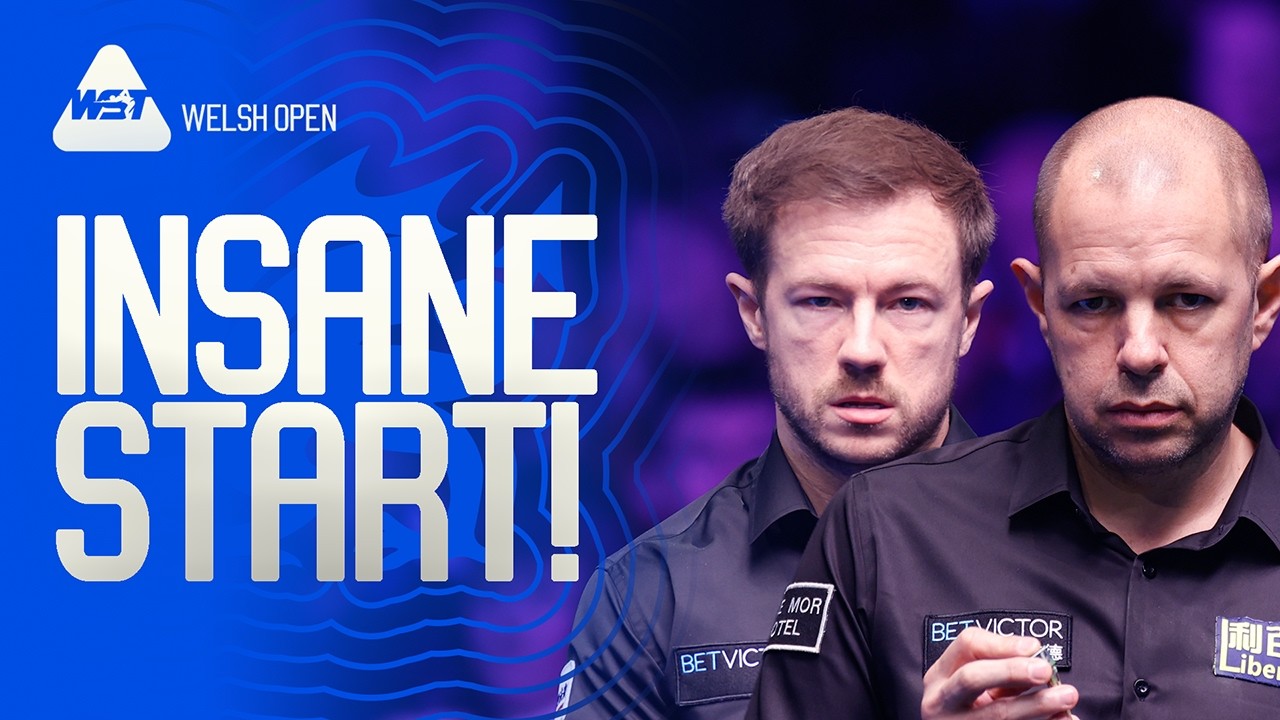
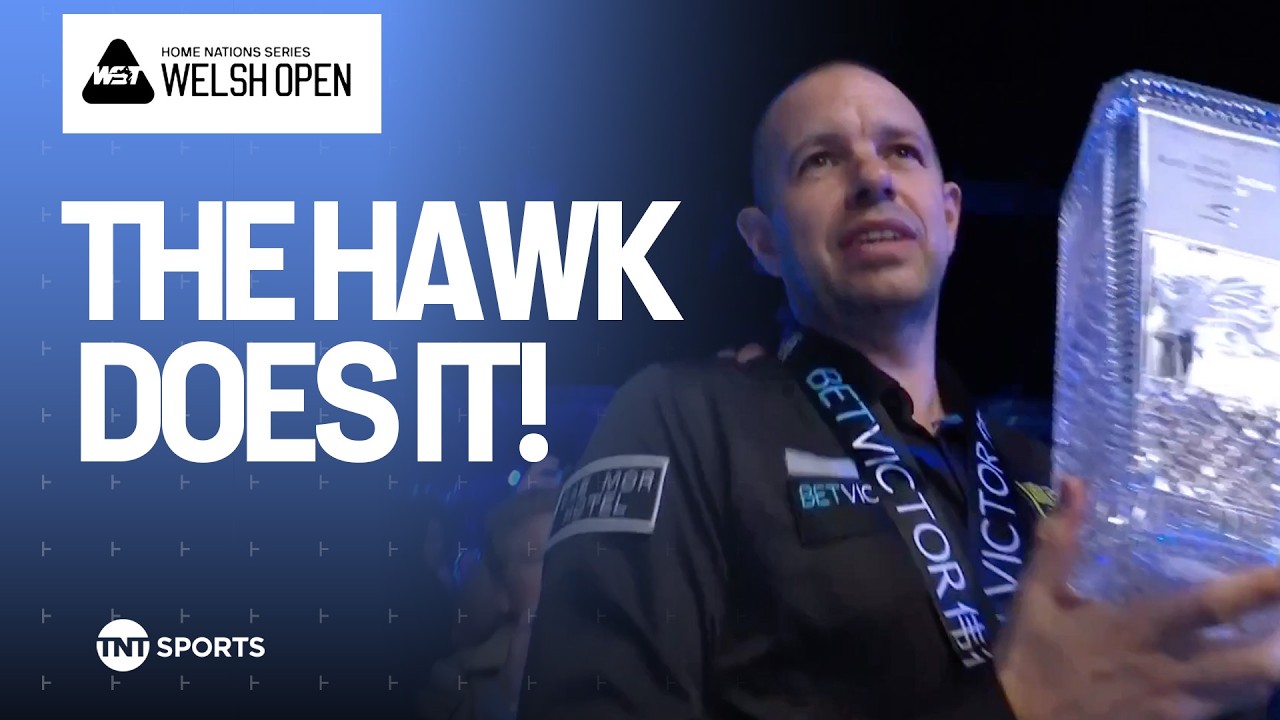
In March 2026, Hawkins won the BetVictor Welsh Open in Llandudno — his fifth career ranking title. Defeating Jack Lisowski 9–5 in the final, Hawkins showed that at 47, he still possesses the composure and precision to win at the highest level. His emotional post-match message to his father moved many who watched. In all, Hawkins has appeared in 13 ranking event finals across his career — a remarkable statistic that underscores both his talent and his consistency under pressure. His total career prize money stands at approximately £2.1 million from official ranking events.
Personal Life
Barry Hawkins is married to Linda Hawkins and the couple have children together. He has spoken openly about the pressures that professional snooker places on family life — long weeks away on tour, the emotional toll of near-misses in major finals, and the financial uncertainty of a career where prize money varies enormously.
In 2026, Hawkins attracted media attention when he criticised the last-minute cancellation of the Saudi Masters tournament, describing the situation as “pathetic” and expressing frustration at the lack of communication with players. Despite these frustrations, he remained committed to competing and qualified for the 2026 World Championship at the Crucible.
Barry Hawkins Net Worth Over Time
Hawkins’s wealth has been built gradually across more than two decades at the professional level. In his early career years, annual earnings from prize money were modest. As he broke into the top 16 and began reaching major finals, his prize money grew substantially. The two World Championship final appearances in 2013 and 2016 — the runner-up prize at each was £125,000 — boosted his earnings significantly. By the early 2020s, his cumulative earnings had crossed £1.5 million, and recent ranking wins have pushed his estimated net worth to approximately £2 million.
Little-Known Facts About Barry Hawkins
- His nickname “The Hawk” suits his style: patient, precise, and waiting for the right moment to strike
- He has appeared in 13 ranking event finals, winning 5 — a conversion rate that reflects both his quality and the extraordinary competition he has faced
- His 2026 Welsh Open win was his first ranking title in approximately three years, demonstrating competitive longevity into his mid-forties
- He was vocal in criticising the Saudi Masters cancellation in 2026, showing willingness to speak out on player welfare issues
- Despite two World Championship final appearances, Hawkins has never won the sport’s most prestigious title — one of snooker’s great “what ifs”
Barry Hawkins FAQ
What is Barry Hawkins’s net worth in 2026?
Barry Hawkins’s net worth is estimated at approximately £2 million (~$2.5 million) as of 2026. This figure is based on his cumulative career prize money of around £2.1 million, appearance fees, and equipment sponsorships accumulated over more than two decades as a professional. After taxes, management fees, and living expenses over a lengthy career, £2 million represents a reasonable estimate of his personal wealth.
How many ranking titles has Barry Hawkins won?
Barry Hawkins has won five ranking titles during his professional snooker career. His most recent was the 2026 BetVictor Welsh Open, where he defeated Jack Lisowski 9–5 in the final in Llandudno. He has also appeared in 13 ranking event finals, making him one of the most consistent performers in the modern era even without winning the World Championship.
Has Barry Hawkins ever won the World Snooker Championship?
No, Barry Hawkins has never won the World Snooker Championship, despite appearing in the final twice. He lost to Ronnie O’Sullivan in 2013 and to Mark Selby in 2016. Two World Championship final appearances without victory is a rare distinction, but it should not overshadow Hawkins’s achievements — five ranking titles and over £2 million in career prize money tell the full story of an exceptional professional career.
Where is Barry Hawkins from?
Barry Hawkins was born on April 23, 1979, in Ditton, Kent, England. Ditton is a village near Maidstone in the south-east of England. He has represented England throughout his professional career and remains one of Kent’s most successful sporting exports in the modern era of snooker.
Is Barry Hawkins still competing in 2026?
Yes, Barry Hawkins is still actively competing at the highest level of professional snooker in 2026. He won the Welsh Open in March 2026 — his fifth ranking title — and qualified for the World Snooker Championship at the Crucible. At 47, his continued competitiveness is a testament to his fitness, dedication, and the mental strength required to sustain a top-level snooker career across three decades.
How much does Barry Hawkins earn per year?
Barry Hawkins’s annual earnings from snooker vary considerably based on tournament results. In a strong season — such as 2025-26 when he won the Welsh Open — he could earn £150,000–£300,000 from prize money alone. In average seasons, his prize money earnings are likely in the £80,000–£150,000 range. Additional income from appearance fees, exhibitions, and equipment endorsements adds a further £20,000–£70,000 annually.
More Snooker Net Worth Profiles
See how Barry Hawkins’s fortune compares with other snooker stars: Mark Allen, Ding Junhui, Luca Brecel, Kyren Wilson, Shaun Murphy, Mark Williams. For the full ranking, browse our richest snooker players guide.
Also Read
- Jak Jones Net Worth 2026: How Wales’s World Final Underdog Built a Fortune
- Jack Lisowski Net Worth 2026: How The Showman Finally Broke Through
- Mark Allen Net Worth 2026: How The Pistol Built a £5M Snooker Fortune
The Two Earnings Methodologies — Why Barry Hawkins’s Career Total Varies Across Sources
Career earnings figures for Barry Hawkins vary widely across mainstream snooker databases — a structural issue that reflects two different counting methodologies rather than discrepancies in his actual prize money. The Snooker Database tracking includes all prize money across the BDO/WPBSA era plus modern World Snooker Tour ranking events, currently citing approximately £2.1 million cumulative. The WST/WPBSA official tally captures a narrower window of modern ranking-event prize money, listing approximately £294,500. Most aggregator coverage uses the higher figure.
The structural takeaway is that snooker career earnings reporting is genuinely fragmented across federations and eras, and the published figures rarely capture exhibition income, sponsor payments, or appearance fees that aren’t on the official tournament books. For a 30-year career like Hawkins’s, the realistic cumulative gross income lands well above the WPBSA figure but probably also above the Snooker Database £2.1M total — exhibition tour activity alone has likely contributed £400-700K over the past 15 years.
The 2013 Crucible Final — Why Hawkins’s Runner-Up Position Mattered More Than the Trophy
Hawkins entered the 2013 World Snooker Championship at 80-1 odds and reached the final against defending champion Ronnie O’Sullivan, losing 12-18 in the decisive match. The runner-up prize was a meaningful five-figure sum at the time, but the structural significance of the 2013 run extends well beyond the single tournament’s prize money.
Reaching a Crucible final puts a snooker player into the elite endorsement and exhibition tier in a way that no other achievement quite matches — even one final appearance, regardless of the result, repositions the player commercially. Hawkins followed the 2013 final with four further semi-final appearances (2014, 2015, 2017, 2018) and his “Hawk” persona became one of the most recognizable in the post-Hendry-era snooker landscape. The cumulative post-2013 exhibition and appearance fee income probably contributed more to his $2M net worth than any single ranking-event victory would have.
Behind the Numbers — Hawkins’s £2M Net Worth Across Asset Classes
Synthesizing across publicly available indicators:
Cumulative career prize money (after tax): Approximately £900K-1.2M retained. Reflects the £2.1M cumulative figure less UK income tax across multiple marginal-rate bands plus tournament costs and management fees.
Exhibition tour and appearance income (after tax): Approximately £300-500K accumulated. The post-2013 Crucible final repositioning has produced a steady appearance-fee income stream for over a decade.
Real estate and liquid wealth: Approximately £400-600K in property and accumulated savings. Hawkins has been notably less publicly visible regarding lifestyle and property than top-tier peers, suggesting a conservative approach.
The sum across these categories lands close to the £2M figure most aggregators cite.
The Modern Snooker Earnings Pyramid — Where Hawkins Sits in 2026
The 2026 World Snooker Championship paid £500,000 to its winner (Wu Yize, defeating Shaun Murphy 18-17 in the final). Total tournament prize pool was approximately £2.4 million. The top 16 ranked players collectively now earn approximately £300-800K per year in prize money during peak performance years. Hawkins, ranked outside the top 16 in 2026, earns proportionally less from ranking events — probably £100-300K annually plus exhibition income.
The structural challenge for established players in Hawkins’s position is that the modern snooker prize pyramid has concentrated more income at the very top (£500K winner’s prize plus £200K+ for finalist) while the median professional snooker player’s annual prize income has not grown proportionally. For Hawkins’s career stage and ranking band, the exhibition tour and brand-licensing income matter more than ranking-event prize money — the inversion of the relationship that defined snooker economics during the Hendry/O’Sullivan peak era.