


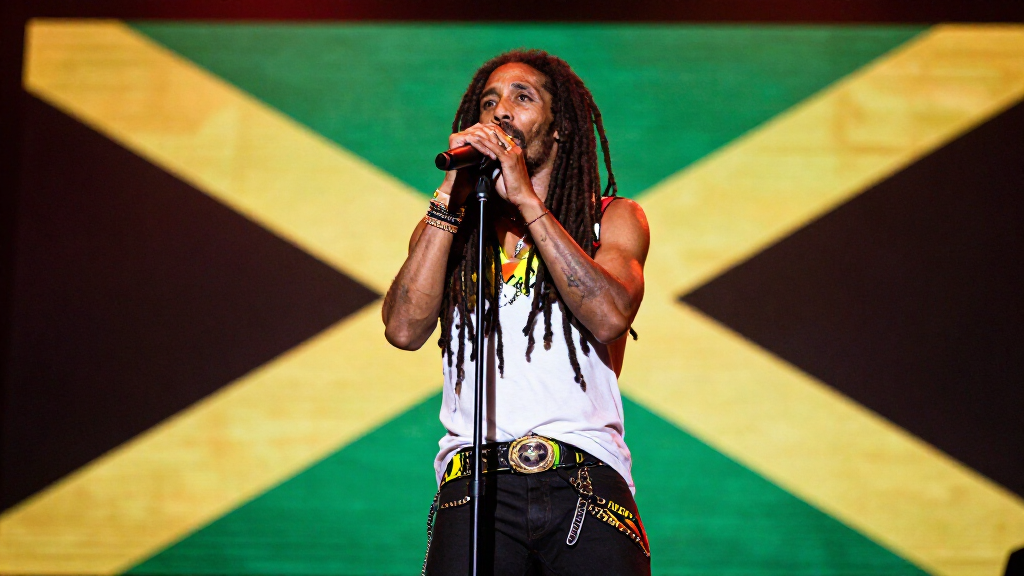
Robert Nesta Marley left this world at 36 years old in 1981, cut short by cancer. Yet today, more than four decades after his death, his music continues to sell millions of copies annually, his image adorns college dormitory walls across every continent, and his estate generates tens of millions of dollars per year. Bob Marley’s estate is estimated at approximately $130 million as of 2026 — a testament to the eternal power of music that spoke to universal human experiences: freedom, love, faith, and resistance.
| Full Name | Robert Nesta Marley |
|---|---|
| Date of Birth | February 6, 1945 |
| Date of Death | May 11, 1981 (Age 36) |
| Birthplace | Nine Mile, Saint Ann Parish, Jamaica |
| Nationality | Jamaican |
| Profession | Singer, Songwriter, Musician, Guitarist |
| Estate Value | ~$130 Million (2026) |
| Spouse | Rita Marley (m. 1966) |
| Children | 11 (including Ziggy, Damian, Stephen, Julian, Ky-Mani, Rohan) |
| Known For | “No Woman No Cry”, “One Love”, “Redemption Song”, “Buffalo Soldier” |
Frequently Asked Questions About Bob Marley
What is Bob Marley’s net worth in 2026?
Bob Marley’s estate is valued at approximately $130 million as of 2026. Despite dying in 1981 with relatively modest personal assets, his estate has grown substantially through decades of music royalties, licensing deals, merchandise, the Marley Natural cannabis brand, and ongoing global demand for his catalog. The estate earns an estimated $20–30 million per year from combined income streams, making him consistently one of the highest-earning deceased artists worldwide.
How did Bob Marley die?
Bob Marley died on May 11, 1981, at the age of 36, from acral lentiginous melanoma — a rare form of skin cancer that originated beneath his toenail. The cancer was discovered in 1977 when a football (soccer) injury revealed a lesion on his toe; doctors recommended amputation of the toe, which Marley refused on religious grounds. The cancer spread to his brain, liver, and lungs over the following years. He died in a Miami hospital while en route from Germany, where he had been receiving treatment, back to Jamaica.
How many children did Bob Marley have?
Bob Marley had 11 officially recognized children with seven different women, including his wife Rita Marley. The most prominent among them include Ziggy Marley (who has continued his father’s musical legacy), Damian “Jr. Gong” Marley (a Grammy-winning rapper), Stephen Marley (a producer and musician), Julian Marley, Ky-Mani Marley, and Rohan Marley. Several of his children have had successful careers in music, sports, and business, continuing the Marley family brand across generations.
What was Bob Marley’s religion?
Bob Marley was a devout Rastafarian, a spiritual movement that originated in Jamaica in the 1930s and drew heavily from Ethiopianism and Pan-African ideology. He converted to Rastafari in the early 1960s, and the faith deeply shaped his worldview, lifestyle, and music. Rastafarian beliefs — including the divine status of Ethiopian Emperor Haile Selassie, the spiritual use of cannabis as a sacrament, the rejection of materialism (known as “Babylon”), and the theme of liberation (“Zion”) — are woven throughout his entire catalog. He was baptized as a Christian before his death at his mother’s request.
What is Bob Marley’s best-selling album?
Legend (1984) — a posthumous greatest hits compilation released three years after his death — is Bob Marley’s best-selling album, with estimated sales of over 30 million copies worldwide. It is the best-selling reggae album of all time and has never left the Billboard charts since its release, maintaining a 40+ year chart presence that makes it one of the longest-charting albums in history. Individual album highlights include Catch a Fire (1973), Natty Dread (1974), Rastaman Vibration (1976), and Exodus (1977), which Time magazine named “Album of the Century” in 1999.
Where is Bob Marley buried?
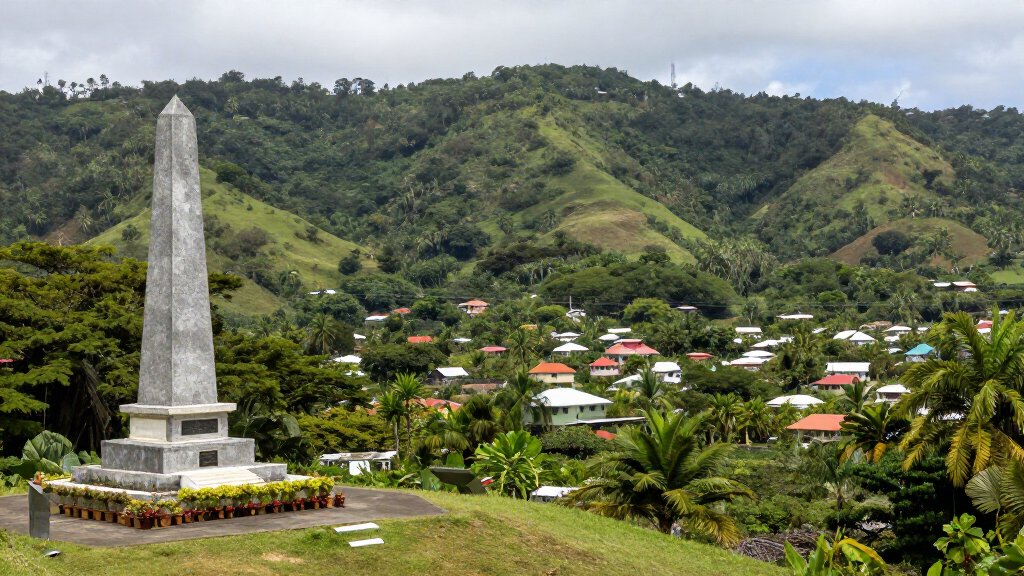
Bob Marley is buried at his birthplace: Nine Mile, Saint Ann Parish, Jamaica. His burial site is within a small mausoleum on the property where he was born and where he spent his early childhood. The site, now known as the Bob Marley Mausoleum, is a major tourist attraction drawing hundreds of thousands of visitors annually. His body was interred with his Gibson Les Paul guitar, a soccer ball, a bud of cannabis, and a Bible opened to Psalm 23 — each object reflecting a central pillar of his life.
How much does Bob Marley’s estate earn per year?
Bob Marley’s estate earns an estimated $20–30 million annually through a combination of music royalties (streaming and physical sales), merchandise and licensing deals, the Marley Natural cannabis brand, and tourism revenue from Nine Mile. His music generates billions of streams annually on platforms like Spotify and Apple Music. The “One Love” collection with H&M, Marley Coffee, and Marley Natural are among the business ventures that extend the brand beyond music. Forbes regularly includes him on its list of highest-earning deceased celebrities.
What happened to Bob Marley’s music catalog?
Bob Marley’s music catalog has been the subject of complex ownership history. At the time of his death, his publishing rights were held in part by Island Records founder Chris Blackwell. Over subsequent decades, various catalog stakes were sold and consolidated. In 2022, the Marley family partnered with Blackstone-backed Hipgnosis Songs Capital to sell a portion of the catalog for an estimated $50–100 million. The deal was structured to allow the family to retain creative control while monetizing the catalog’s streaming-era value. The estate continues to hold a significant stake in the remaining rights.
Is the Bob Marley museum worth visiting?
The Bob Marley Museum in Kingston, Jamaica — located at his former home and recording studio at 56 Hope Road — is widely considered one of the most compelling music museums in the world. It features the original studio where he recorded many of his albums, bullet holes in the walls from the 1976 assassination attempt, his personal clothing and belongings, gold and platinum records, and photographs from throughout his life. It draws over 200,000 visitors annually and is considered the most visited cultural attraction in Jamaica.
Bob Marley Net Worth Breakdown: The Estate’s Income Sources
| Income Source | Estimated Amount | Type | Notes |
|---|---|---|---|
| Music Royalties & Streaming | $15–20M/year | Annual (estate) | Global streaming on Spotify, Apple Music, YouTube; catalog includes 200+ songs |
| Merchandise & Licensing | $5–10M/year | Annual (estate) | Marley brand apparel, One Love H&M collection, image licensing worldwide |
| Marley Natural Cannabis Brand | $2–5M/year | Annual (estate) | Licensed cannabis products in legal US/Canadian markets; Marley family brand extension |
| Marley Coffee & Other Ventures | $1–3M/year | Annual (estate) | Marley Coffee brand (globally distributed), Marley Headphones licensing |
| Tourism (Nine Mile + Museum) | $1–2M/year | Annual (estate) | Nine Mile mausoleum, Kingston museum admission fees and merchandise |
| Catalog Sale (Hipgnosis 2022) | $50–100M | One-time (gross) | Partial catalog sale to Blackstone-backed Hipgnosis; family retained creative control |
| Estimated Total Estate Value (2026) | ~$130 Million | ||
Career Overview: The Music That Changed the World
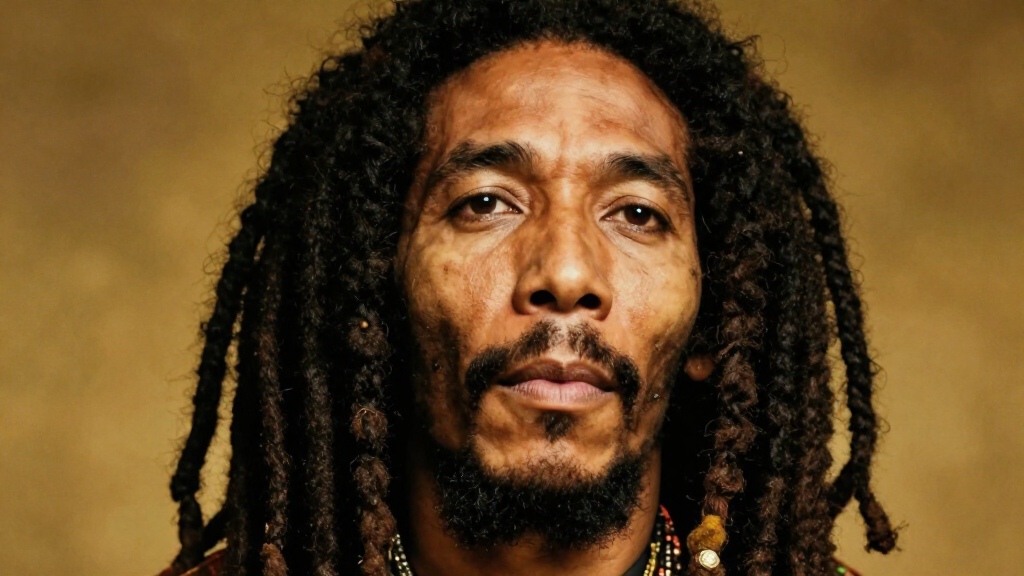
Bob Marley’s career was, at its core, the story of reggae’s globalization — and of one man’s ability to transform personal pain and political conviction into music that transcended borders, languages, and generations. He was born into poverty in rural Jamaica, the son of a white Jamaican plantation overseer and a young Black Jamaican woman. His mixed-race heritage made him an outsider in both communities he inhabited, a duality that sharpened his perspective on identity and belonging.
He moved to Kingston as a teenager and became immersed in the sound system culture that was generating ska and rocksteady — the precursors to reggae. In 1963, he formed The Wailers with Peter Tosh and Bunny Wailer, and the group spent the next decade refining their sound and building a following across the Caribbean. The pivotal moment came when Chris Blackwell of Island Records signed them in 1972 and financed the recording of Catch a Fire — the first reggae album to be marketed and distributed like a rock record. It reached white rock audiences who had never encountered reggae before.
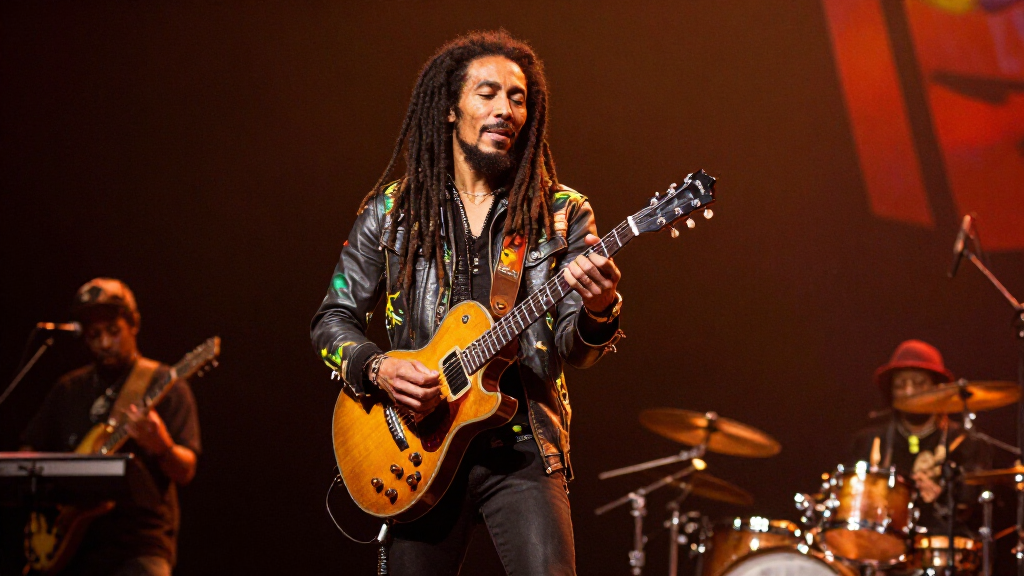
The years between 1973 and 1980 were an explosion of creativity. Natty Dread (1974), Live! (1975), Rastaman Vibration (1976), Exodus (1977), Kaya (1978), Survival (1979), and Uprising (1980) established a body of work whose depth, consistency, and political weight had no peer in popular music. Songs like “No Woman No Cry,” “Jamming,” “Three Little Birds,” “Could You Be Loved,” and “Redemption Song” were not just popular songs — they were anthems of a global movement for human dignity.
Marley’s final concert was in Pittsburgh on September 23, 1980, during the Uprising tour. Just months later, he was dead. The posthumous release of Legend in 1984 turned him into an immortal cultural figure — and guaranteed that his music would outlast him by centuries rather than decades.
Early Life: Nine Mile to Kingston
Robert Nesta Marley was born on February 6, 1945, in the small village of Nine Mile in Saint Ann Parish, Jamaica. His father, Norval Sinclair Marley, was a 50-year-old white Jamaican landowner; his mother, Cedella Booker, was an 18-year-old Black Jamaican woman. The union was controversial, and Norval largely absent — he died when Robert was ten. Growing up in Nine Mile, Marley was introduced to music by his maternal grandfather, Omeriah Malcolm, a respected local farmer who played music at community gatherings.
At 14, Marley moved to Kingston’s Trenchtown — one of the city’s most impoverished and violent neighborhoods. The experience of urban poverty, political violence, and racial complexity that he absorbed in Trenchtown became the raw material for some of his greatest songs. It was here that he befriended Desmond Dekker (who would later help him get his first record deal) and began seriously pursuing music as a vocation.
Personal Life: Rita, the Children, and the Family Brand
Bob Marley married Rita Anderson in 1966, just days before he briefly moved to Delaware to work in a factory (a stint he used to save money to launch The Wailers). Rita was not only his wife but a backup singer in the I Threes and a lifelong collaborator. Their relationship was shaped by Marley’s complex personal life — he fathered eleven children with seven different women, some before and during his marriage to Rita. Rita adopted some of his children from other relationships, and the family structure — though unconventional by Western standards — has been described by the Marley children themselves as close-knit and musically bonded.
After his death, Rita became the steward of the Marley estate, overseeing the growth of the brand through the 1980s and 1990s. The estate is now managed by the Marley family collectively, with Cedella Marley (his daughter) playing a prominent public role. The family has been deliberate about brand protection, refusing endorsement deals they felt would cheapen his legacy while aggressively licensing for appropriate cultural and commercial uses.
Little-Known Facts About Bob Marley
- He survived an assassination attempt: On December 3, 1976, two nights before the “Smile Jamaica” free concert in Kingston, gunmen broke into Marley’s home and shot him, his wife Rita, and manager Don Taylor. All three survived. Marley performed at the concert two days later with his arm in a sling, famously saying he performed because “the people who are trying to make this world worse aren’t taking a day off.”
- He was a devoted footballer (soccer player): Marley was passionate about soccer throughout his life. He organized daily matches wherever he traveled on tour and even played a pick-up game the day before recording sessions. It was a soccer-related injury that led to the discovery of the cancer that eventually killed him.
- Time magazine called Exodus “Album of the Century”: In 1999, Time magazine named Exodus (1977) as the greatest album of the 20th century — ahead of records by the Beatles, the Rolling Stones, and every other act in rock or pop history.
- His music is played at a rate that defies death: “One Love” and “No Woman No Cry” together generate billions of streams annually on Spotify — consistently outperforming the catalogs of many living artists — more than 45 years after their original recording.
- He received the Order of Merit from the Jamaican government: In 1981, just weeks before his death, the government of Jamaica awarded Marley the Order of Merit — the country’s third-highest honor — recognizing his extraordinary contribution to Jamaican culture and global music.
Also Read:
- Michael Jackson Net Worth 2026: Inside the $500M King of Pop’s Legendary Estate
- Kendrick Lamar Net Worth 2026: How Compton’s Pulitzer Prize Rapper Built a $100M Empire
- The Weeknd Net Worth 2026: From Anonymous SoundCloud Drops to a $300M R&B Empire