

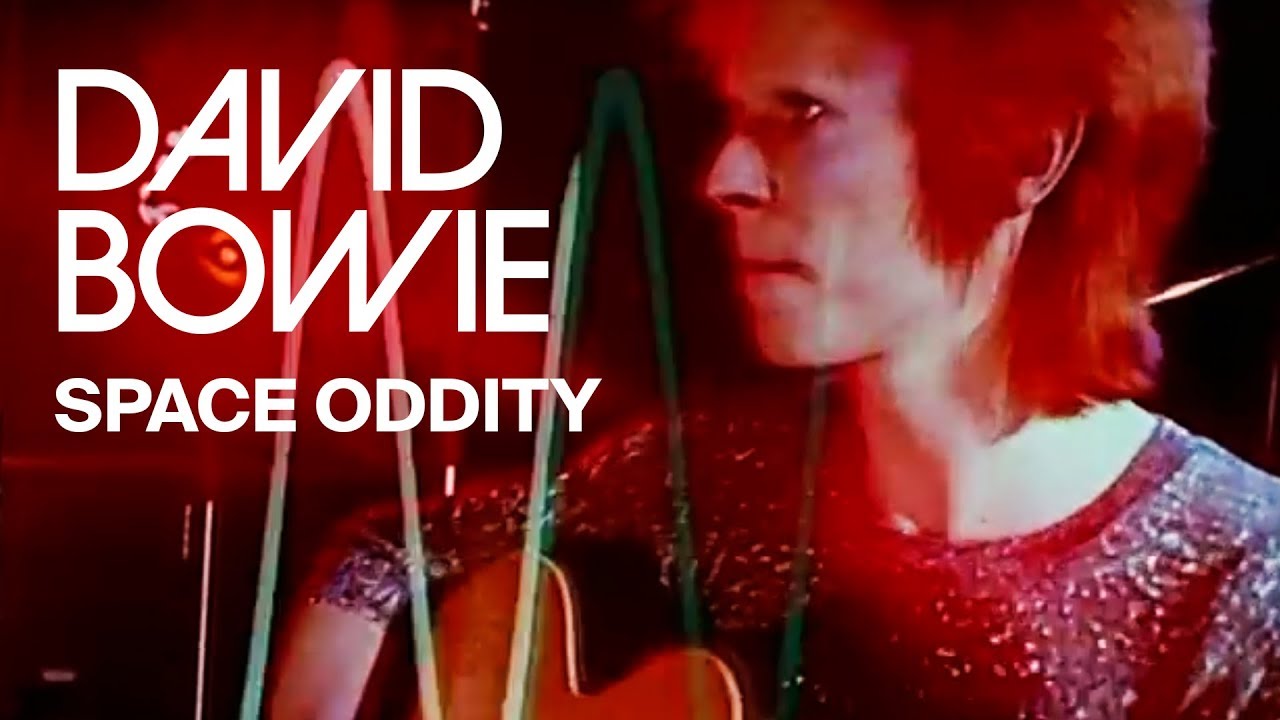
David Bowie stands as one of the most transformative figures in rock music history — a true chameleon who reinvented himself with each album and era. From the androgynous alien Ziggy Stardust to the sleek Thin White Duke to the elder statesman of Blackstar, Bowie’s ability to evolve kept him relevant across five decades. Born David Robert Jones in Brixton, London on January 8, 1947, he sold more than 140 million records worldwide, acted in dozens of films, and even pioneered music industry finance. When he died on January 10, 2016, just two days after releasing his final album, his estate was valued at approximately $230 million.
| Full Name | David Robert Jones |
|---|---|
| Date of Birth | January 8, 1947 |
| Birthplace | Brixton, London, England |
| Date of Death | January 10, 2016 (aged 69) |
| Height | 5’10” (178 cm) |
| Nationality | British |
| Profession | Singer, Songwriter, Actor, Producer |
| Net Worth | $230 Million (at death, 2016) |
| Spouse | Angie Bowie (1970–1980), Iman (1992–2016) |
| Children | Duncan Jones (b. 1971), Lexi Jones (b. 2000) |
| Known For | Ziggy Stardust, Space Oddity, glam rock pioneer |
Frequently Asked Questions About David Bowie
What was David Bowie’s net worth when he died?
David Bowie’s estate was estimated at approximately $230 million at the time of his death on January 10, 2016. This wealth accumulated from more than five decades of music sales, touring, royalties, film work, and savvy financial investments. The bulk of his estate passed to his wife, supermodel Iman, and his children Duncan Jones and Lexi Jones.
How did David Bowie make his money?
Bowie built his fortune through multiple revenue streams: music sales and streaming royalties from a catalogue of over 25 studio albums, touring income from decades of landmark concert tours, film and acting fees, and the pioneering Bowie Bonds deal in 1997, which allowed him to securitize future royalty income for an immediate $55 million payout. His valuable personal art collection and New York real estate also contributed significantly to his wealth.
What was David Bowie’s most famous album?
While opinions vary, The Rise and Fall of Ziggy Stardust and the Spiders from Mars (1972) is often cited as his most iconic work, introducing the alien rock star persona that captivated the world. Let’s Dance (1983) was his commercial peak, becoming his best-selling album globally. His final album Blackstar (2016), released two days before his death, is widely considered a stunning artistic farewell that has only grown in stature since.
What was David Bowie’s real name?
David Bowie was born David Robert Jones on January 8, 1947, in Brixton, London. He adopted the stage name David Bowie in 1965 to avoid confusion with Davy Jones of The Monkees. He chose the name Bowie after the Bowie knife, the iconic American frontier blade — a fitting choice for an artist who would cut through musical convention for the next five decades.
Did David Bowie have children?
Yes, David Bowie had two children. His son, Duncan Zowie Haywood Jones (professionally known as film director Duncan Jones, best known for the films Moon and Warcraft), was born in May 1971 with first wife Angie Bowie. His daughter, Alexandria Lexi Jones, was born in August 2000 with second wife supermodel Iman.
How tall was David Bowie?
David Bowie stood approximately 5 feet 10 inches (178 cm) tall. Despite his reputation for otherworldly stage presence and theatrical personas, Bowie was of average height. His commanding appearance came from his striking physical features, bold fashion choices designed by legendary costumers like Kansai Yamamoto, and the theatrical make-up that defined each era of his career.
What were the famous Bowie Bonds?
In 1997, David Bowie made financial history by securitizing future royalties from his pre-1990 music catalogue in a deal brokered by banker David Pullman. Prudential Insurance purchased the bonds for $55 million, paying 7.9% interest over 10 years, backed by expected royalty income. This was the first time any musician had used their back catalogue as financial collateral, inspiring a generation of similar celebrity bond deals. Bowie used the proceeds to buy back his master recordings from former manager Tony Defries.
Why does David Bowie appear to have different-colored eyes?
Many believe Bowie had heterochromia (different-colored irises), but this is a myth — both of his eyes were blue. His left pupil was permanently dilated after a teenage fight with friend George Underwood. The punch damaged the muscle that controls pupil dilation, creating the famous mismatched appearance known as anisocoria. Paradoxically, this injury gave Bowie the alien, otherworldly look that became central to his Ziggy Stardust persona.
What was David Bowie’s last album?
Blackstar was David Bowie’s 25th and final studio album, released on January 8, 2016 — his 69th birthday. Written and recorded over 18 months while Bowie knew he was dying of liver cancer, the album was widely interpreted as a conscious farewell gift to his fans. Bowie died just two days after its release. The album debuted at number one in multiple countries and is now considered among his greatest achievements.
Who inherited David Bowie’s estate?
According to Bowie’s will, the majority of his $230 million estate went to his wife Iman and their daughter Lexi Jones. His son Duncan Jones also received a portion. His longtime personal assistant Corinne Schwab received $2 million. The estate continues to generate significant revenue through music licensing, streaming royalties, and catalogue reissues managed professionally by his estate team.
David Bowie Net Worth Breakdown
| Income Source | Estimated Amount | Type | Notes |
|---|---|---|---|
| Music Sales & Royalties | $100–120M | Cumulative (personal) | 140M+ records sold across a 50-year career; royalties continue post-death |
| The Bowie Bonds | $55M | One-time (gross) | Securitization of pre-1990 catalogue; purchased by Prudential Insurance in 1997; Bowie used funds to reclaim his masters from manager Tony Defries |
| Touring Income | $40–60M | Cumulative (personal) | Diamond Dogs (1974), Serious Moonlight (1983), Glass Spider (1987), A Reality Tour (2003–04) |
| Film & Acting | $15–20M | Cumulative (personal) | Labyrinth, The Man Who Fell to Earth, The Prestige, and 30+ other roles |
| Art Collection & Real Estate | $30–40M | Cumulative (personal) | Personal art collection auctioned by Sotheby’s for £32M+ after death; New York properties |
| Estimated Total Net Worth | ~$230 Million (at death, January 2016) | ||
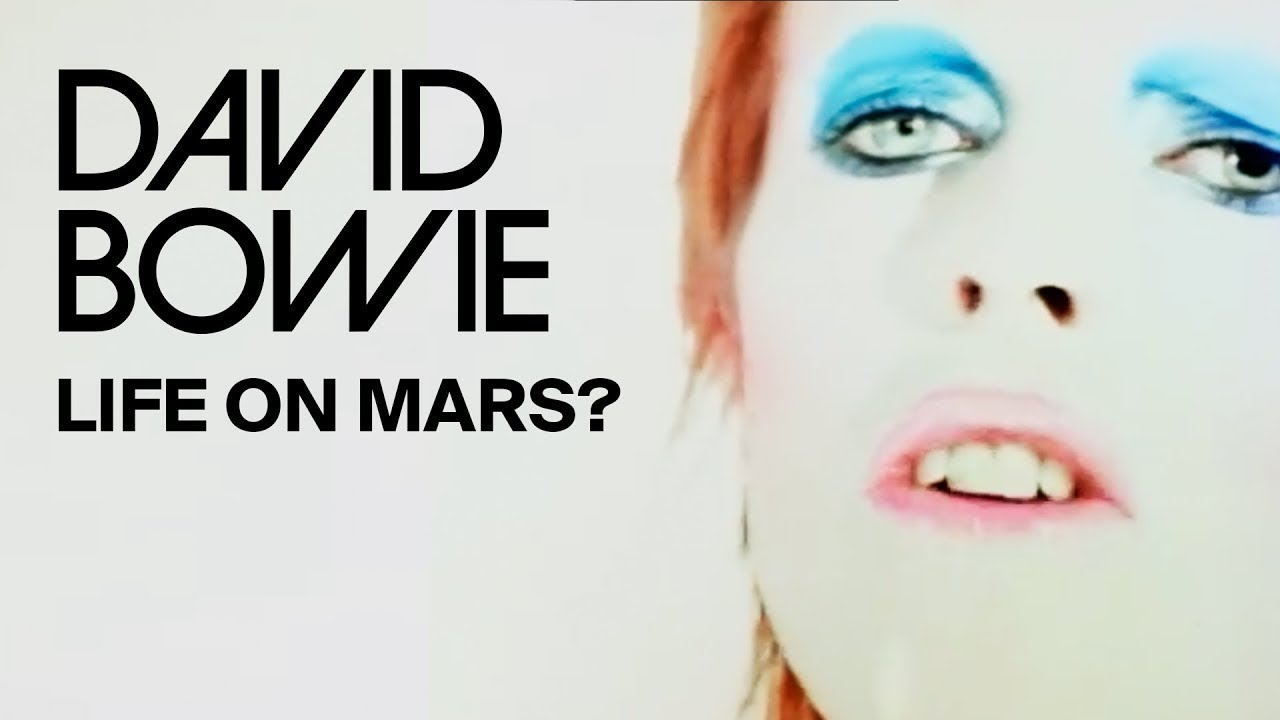
David Bowie’s Career: From Brixton to Global Icon
David Bowie’s career is one of the most remarkable in music history — a constant reinvention that stayed both artistically credible and commercially successful across five decades. After a string of unsuccessful singles in the mid-1960s, his breakthrough came with Space Oddity in 1969, timed to coincide with the Apollo 11 moon landing. The song introduced his storytelling genius, turning a fictional astronaut’s isolation into an existential meditation that resonated around the world.
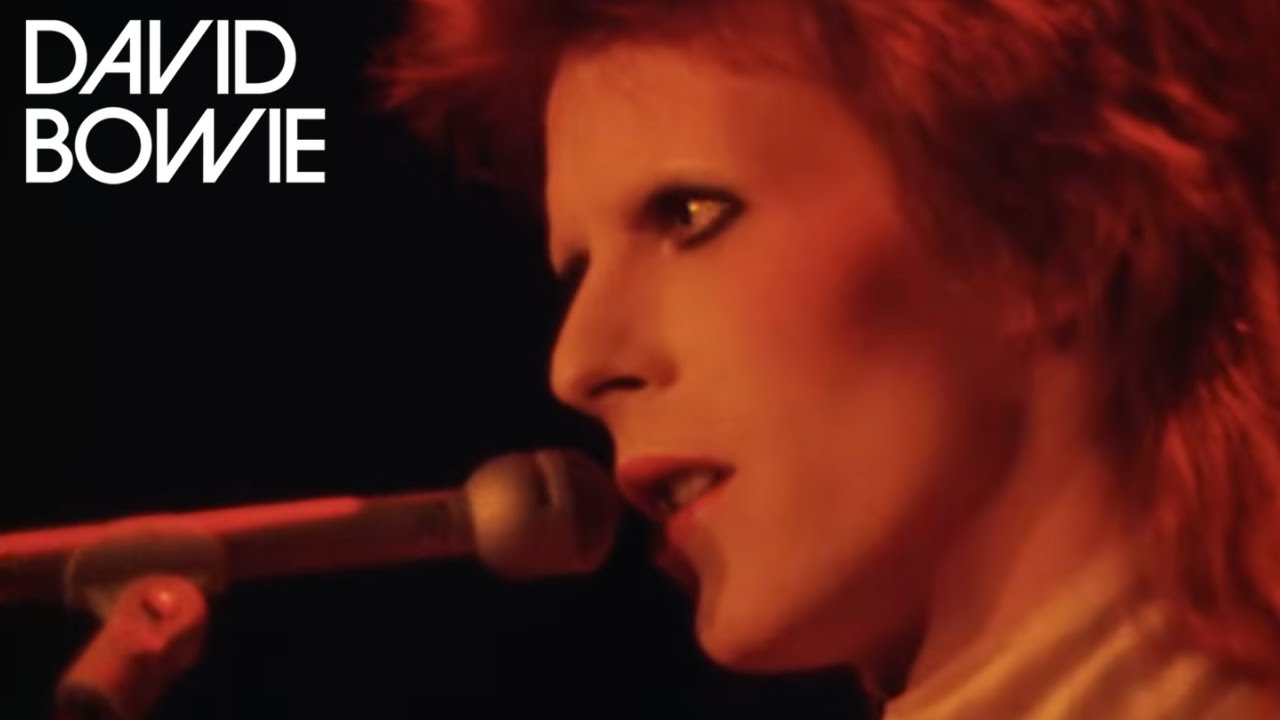
His true cultural breakthrough came in 1972 with the creation of Ziggy Stardust — the androgynous alien rock star who became a countercultural icon. The Rise and Fall of Ziggy Stardust and the Spiders from Mars was a watershed moment in glam rock, inspiring generations of artists from Freddie Mercury to Lady Gaga. The dramatic retirement of Ziggy Stardust at Hammersmith Odeon in July 1973 remains one of rock’s most theatrical moments.
The mid-to-late 1970s produced Bowie’s most critically acclaimed work. Relocating to West Berlin to escape cocaine addiction and find creative renewal, Bowie created his celebrated Berlin Trilogy with producer Brian Eno: Low (1977), Heroes (1977), and Lodger (1979). These albums, blending ambient textures with art rock, were hugely influential on post-punk and electronic music. Heroes, recorded within earshot of the Berlin Wall, has become an anthem of human resilience that transcends generations.
The 1980s brought Bowie his greatest commercial success. Let’s Dance (1983), produced by Nile Rodgers and featuring a young Stevie Ray Vaughan on guitar, became his best-selling album. The title track hit number one in multiple countries, and the Serious Moonlight Tour became one of the highest-grossing tours of the decade. After creative experiments with Tin Machine in the late 1980s, Bowie returned to acclaimed form with electronic influences throughout the 1990s.
His final chapter began with the surprise release of The Next Day in 2013 — announced with no advance warning after nearly a decade of silence following a 2004 heart attack. Critics and fans were electrified. Then came Blackstar in January 2016 — now understood as a conscious farewell from an artist who faced death on his own artistic terms and transformed even mortality into a lasting gift for his fans.
David Bowie’s Early Life
David Robert Jones was born on January 8, 1947, in Brixton, a working-class neighbourhood in south London. His father, Haywood John Jones, worked in promotions for a children’s charity; his mother, Margaret Peggy Jones, was a cinema usherette. Bowie had an older half-brother, Terry Burns, from his mother’s previous relationship — a complicated figure in his life who struggled with schizophrenia and whom Bowie referenced in songs like All the Madmen.
Growing up in postwar Brixton and later Bromley, Bowie showed early interests in art, music, and performance. He began playing saxophone at age 13 and formed his first band while still at Bromley Technical High School. It was here that the fateful incident occurred that shaped his iconic appearance: a fight with friend George Underwood over a girl left Bowie with a permanently dilated left pupil — the origin of his legendary mismatched eyes.
His art teacher at Bromley Technical was Owen Frampton, father of Peter Frampton, who recognized his exceptional creative talent early on. After school, Bowie worked briefly as a commercial artist before committing fully to music. Several years of relative obscurity followed before he adopted the name David Bowie in 1965, and four more years of persistence and artistic evolution passed before Space Oddity launched him into the public consciousness in 1969.
David Bowie’s Personal Life and Legacy
David Bowie’s personal life was as dramatically unconventional as his music. In 1970, he married Mary Angela Barnett, known as Angie — a woman as flamboyant and ambitious as Bowie himself. Their open marriage was a fixture of 1970s rock mythology. Their son, Duncan Zowie Haywood Jones, was born in May 1971. The couple divorced in 1980, with Bowie retaining custody of their son.
In 1990, Bowie met Somali-American supermodel Iman Mohamed Abdulmajid at a dinner party arranged by a mutual friend. Bowie later described it as love at first sight, saying he knew immediately she was the one. They married in a private ceremony in Florence in June 1992 — so intimate that even close friends only heard about it afterward. Their daughter, Alexandria Lexi Jones, was born in August 2000. By most accounts, Bowie found in Iman the stability and profound happiness that had eluded him for decades.
In late 2014, Bowie was diagnosed with liver cancer. He kept his illness completely secret from the public — even from most close friends — channeling his remaining creative energy into what would become Blackstar. He died peacefully at his New York home on January 10, 2016, surrounded by family, 18 months after his diagnosis. The world learned of his passing on social media the next morning, and the outpouring of global grief was unprecedented for a rock musician in the social media era.
Little-Known Facts About David Bowie
- Bowie’s famous mismatched eyes were not different colors — both were blue. His permanently dilated left pupil resulted from a teenage fight injury, creating the anisocoria that gave him his alien look. His friend George Underwood, who threw the punch, later became a successful artist and designed several Bowie album covers as a way of making amends.
- In 1997, Bowie invented a new financial instrument when he securitized his music catalogue royalties into Bowie Bonds — raising $55 million in a deal that was unprecedented in the music industry and inspired a wave of similar celebrity bond arrangements in the years that followed.
- Bowie launched BowieNet in 1998, one of the world’s first artist-branded internet service providers, offering subscribers a custom web browser and exclusive content at a time when most artists barely had functioning websites — a remarkable piece of digital foresight.
- He twice declined British royal honours — a CBE offered in 2000 and a knighthood in 2003 — reportedly saying he did not know what the offers were for and that accepting honours was simply not something he was interested in doing.
- Bowie’s personal art collection, assembled obsessively since the 1970s, included major works by Frank Auerbach, Damien Hirst, and Henry Moore. When auctioned by Sotheby’s following his death in 2016, the collection raised over £32 million, a testament to his extraordinary eye for emerging artistic talent.
Also Read: Whitney Houston Net Worth 2026 | Prince Net Worth 2026 | Elton John Net Worth