

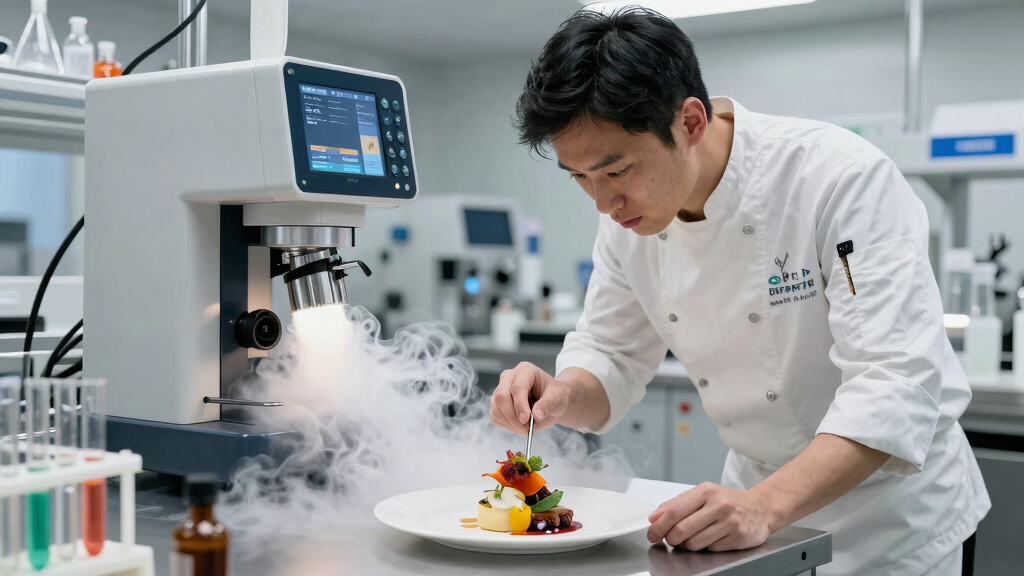
Heston Blumenthal is the chef who turned a small pub restaurant in the Berkshire village of Bray into one of the most celebrated dining destinations on earth — and in doing so, rewrote what British cooking was capable of. The Fat Duck holds three Michelin stars and has been named the best restaurant in the world. Blumenthal’s net worth is estimated at £10 million as of 2026, reflecting a career that spans three-Michelin-starred fine dining, a television franchise that reached millions of viewers, product partnerships with major retailers, and cookbook sales across two decades.
| Full Name | Heston Marc Blumenthal OBE |
|---|---|
| Date of Birth | 27 May 1966 |
| Age | 60 years old (2026) |
| Birthplace | Shepherd’s Bush, London, England |
| Nationality | British |
| Profession | Chef, Restaurateur, Television Presenter, Author |
| Net Worth | £10 Million (2026 estimate) |
| Restaurants | The Fat Duck (Bray), The Hinds Head (Bray), Dinner by Heston Blumenthal |
| Known For | Molecular gastronomy, The Fat Duck (3 Michelin stars), OBE 2006 |
Early Life and Education
Heston Blumenthal was born on 27 May 1966 in Shepherd’s Bush, west London. He grew up in a middle-class family and showed an early fascination with food, though he had no formal culinary training. The pivotal moment in his culinary development came during a family holiday in Provence in his early teens, when a meal at a three-Michelin-starred restaurant — L’Oustau de Baumanière — gave him a visceral understanding of what food at the highest level could be. He was 16 years old.
Rather than attending catering college, Blumenthal is largely self-taught. He worked in various jobs in his twenties while obsessively studying food science, cooking techniques, and culinary history — visiting libraries, corresponding with scientists, and conducting kitchen experiments at home. This autodidactic approach shaped everything that followed: Blumenthal’s cooking has always been driven by curiosity and rigorous inquiry rather than by classical training or institutional tradition.
The Fat Duck: Building Britain’s Most Experimental Restaurant
Heston Blumenthal opened The Fat Duck in 1995 in the village of Bray, Berkshire — in a 450-year-old building that had previously been a pub. He began with a straightforward menu and almost no capital, cooking everything himself. The restaurant’s transformation into one of the world’s most celebrated dining establishments took years of gradual evolution as Blumenthal developed the techniques and flavour combinations that would define his style.
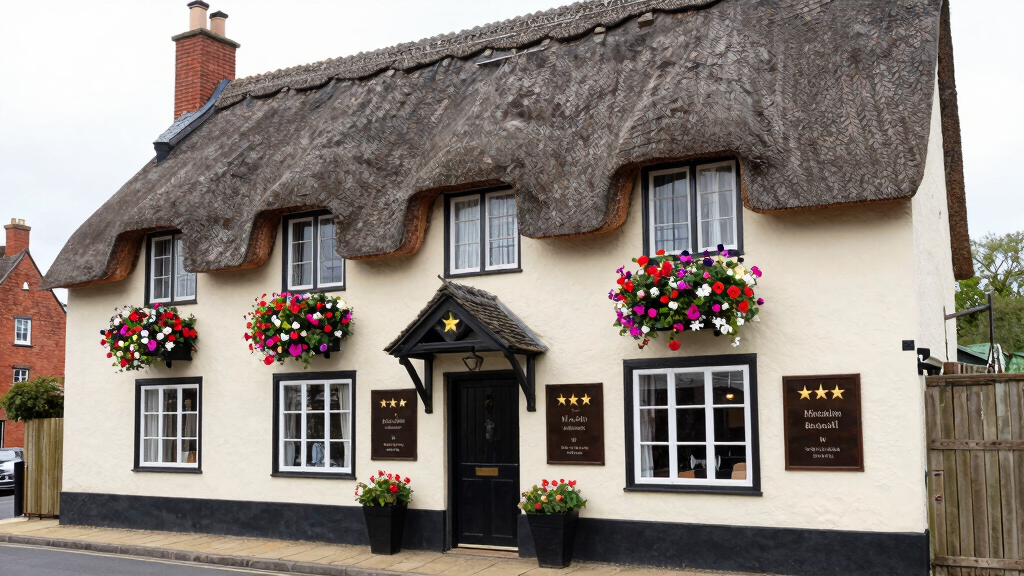
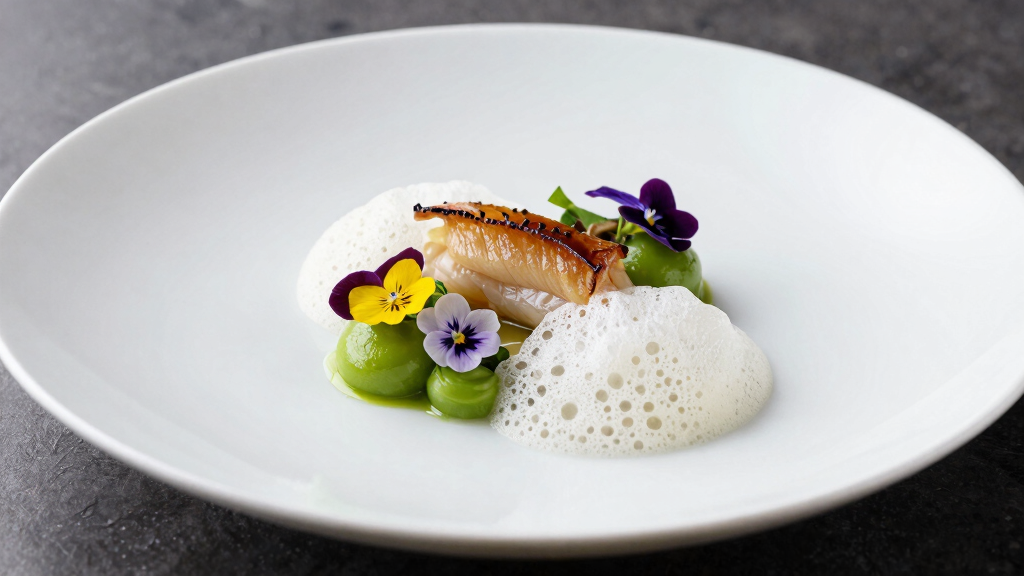
The Fat Duck received its first Michelin star in 1999, its second in 2002, and its third in 2004 — making Blumenthal one of only a handful of British chefs to have achieved the maximum Michelin rating. In 2005, Restaurant Magazine named The Fat Duck the best restaurant in the world. Dishes like snail porridge, egg and bacon ice cream, and meat fruit — where a chicken liver parfait is disguised to look precisely like a mandarin orange — became famous far beyond the culinary world, representing Blumenthal’s belief that food should engage all the senses, provoke surprise, and trigger memory.
In 2009, The Fat Duck experienced a significant crisis when over 500 diners reported illness following meals at the restaurant. The outbreak — attributed to a norovirus contamination — resulted in a temporary closure and a thorough public health investigation. Blumenthal handled the crisis with transparency, cooperating fully with health authorities and closing the restaurant before being required to do so. The Fat Duck reopened after the investigation and has maintained its reputation and Michelin stars since.
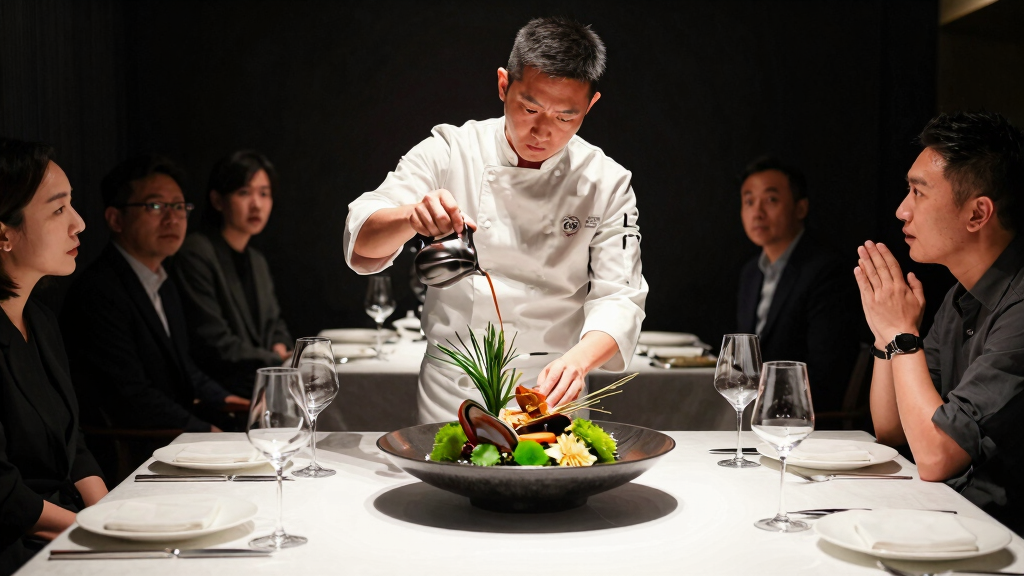
In 2015, Blumenthal temporarily relocated The Fat Duck to Melbourne, Australia, for a six-month residency at the Crown Melbourne hotel — giving Australian diners access to the full Fat Duck experience for the first and, to date, only time. The Bray restaurant reopened after the residency with a new menu concept centred on personal memory and childhood experiences. Blumenthal also operates The Hinds Head — a traditional pub adjacent to The Fat Duck where the food offers a more accessible but still rigorously crafted experience — and has operated Dinner by Heston Blumenthal in London and Melbourne, a restaurant focused on historically researched British recipes.
Television Career
Heston Blumenthal’s television career has been as distinctive as his cooking. His BBC series In Search of Perfection (2006) and Further Adventures in Search of Perfection (2007) saw him apply his rigorous experimental approach to perfecting classic dishes like fish and chips and roast chicken. Heston’s Feasts (Channel 4, 2009–2010) showcased themed banquets for celebrity guests using extreme culinary techniques. Heston’s Fantastical Food (Channel 4, 2012) brought his ideas to a mass market context.
His television work expanded his profile far beyond the traditional fine dining audience, making him one of the most recognisable chefs in British popular culture. His product partnership with Waitrose — developing a range of premium ready meals under his name — brought Blumenthal’s ideas to supermarket shelves and represented a significant commercial extension of his brand. Cookbook publications including The Fat Duck Cookbook, Heston at Home, and The Perfect series have sold extensively and contributed meaningfully to his overall income.
Net Worth Breakdown
| Income Source | Estimated Amount | Type | Notes |
|---|---|---|---|
| The Fat Duck and Restaurant Group | £500K–1.5M/year (personal) | Annual (personal) | Personal income from restaurant profits after operational costs, staff, and overheads; Fat Duck tasting menu priced £350+ per head |
| Television Series and Presenting | £200K–400K/year (peak) | Annual (personal) | BBC and Channel 4 series fees during active TV production phases |
| Waitrose Product Partnership | £200K–500K/year | Annual (personal) | Range of premium ready meals and products sold in Waitrose stores |
| Cookbook Royalties | £100K–300K/year | Annual (personal) | Multiple titles including The Fat Duck Cookbook and Heston at Home |
| Speaking Engagements and Events | £100K–200K/year | Annual (personal) | International food conferences, keynotes, culinary festival appearances |
| Estimated Net Worth | £10 Million (2026) | ||
Awards and Recognition
Heston Blumenthal was appointed Officer of the Order of the British Empire (OBE) in 2006 for services to British gastronomy. The Fat Duck has held three Michelin stars continuously since 2004 and has appeared consistently among the world’s top restaurants in major annual rankings. Blumenthal has received numerous honorary degrees from British universities and is widely credited with establishing the UK as a serious force in contemporary world gastronomy — a contribution that extends well beyond his own restaurants.
Personal Life
Heston Blumenthal was married to Zanna Blumenthal for over 20 years; the couple divorced in 2011. He has three children from that marriage. He later had a relationship with American actress Suzanne Pirret. He has spoken in interviews about the intense demands of his professional life and the personal costs of building a world-class restaurant from scratch with minimal resources and no formal backing.
Little-Known Facts
- Heston Blumenthal has no formal culinary training — he is entirely self-taught, learning through library research, kitchen experimentation, and conversations with food scientists.
- His inspiration to become a chef came from a single meal at a Michelin three-star restaurant in Provence during a family holiday when he was 16 years old.
- In 2009, over 500 diners at The Fat Duck reported illness in a norovirus outbreak — Blumenthal closed the restaurant voluntarily before being instructed to do so, and the Fat Duck reopened after investigation without losing its Michelin stars.
- In 2015, The Fat Duck temporarily relocated to Melbourne, Australia for a six-month residency — the only time it has operated outside Bray, Berkshire.
- His partnership with Waitrose brought his culinary ideas to supermarket shelves, making him one of the few Michelin three-star chefs to have a mainstream grocery product line.
What is Heston Blumenthal’s net worth in 2026?
Heston Blumenthal’s net worth is estimated at approximately £10 million as of 2026. His wealth comes from The Fat Duck restaurant group, television series on BBC and Channel 4, his Waitrose product partnership, cookbook royalties, and speaking engagements. While exact figures are not publicly disclosed, his multi-strand career across fine dining, television, and commercial partnerships supports this estimate.
How many Michelin stars does Heston Blumenthal have?
Heston Blumenthal’s restaurant The Fat Duck in Bray, Berkshire holds three Michelin stars — the maximum possible rating. The restaurant received its first star in 1999, its second in 2002, and its third in 2004, making Blumenthal one of only a handful of British chefs to have achieved three stars. The Fat Duck has maintained all three stars continuously since 2004.
What is molecular gastronomy?
Molecular gastronomy is an approach to cooking that applies scientific principles — chemistry, physics, and food science — to understand and transform what happens to food during preparation. Techniques include sous-vide (vacuum-sealed low-temperature cooking), spherification (creating liquid pearls with gel casings), and cooking with liquid nitrogen. Heston Blumenthal is widely credited with popularising this approach in British cuisine, though he has noted that his interest is in the sensory experience of food rather than science for its own sake.
Did Heston Blumenthal receive a knighthood?
Heston Blumenthal has not received a knighthood. He was appointed Officer of the Order of the British Empire (OBE) in 2006 for services to British gastronomy. An OBE is a significant honour but is below a knighthood (KBE) in the Order of the British Empire hierarchy.