

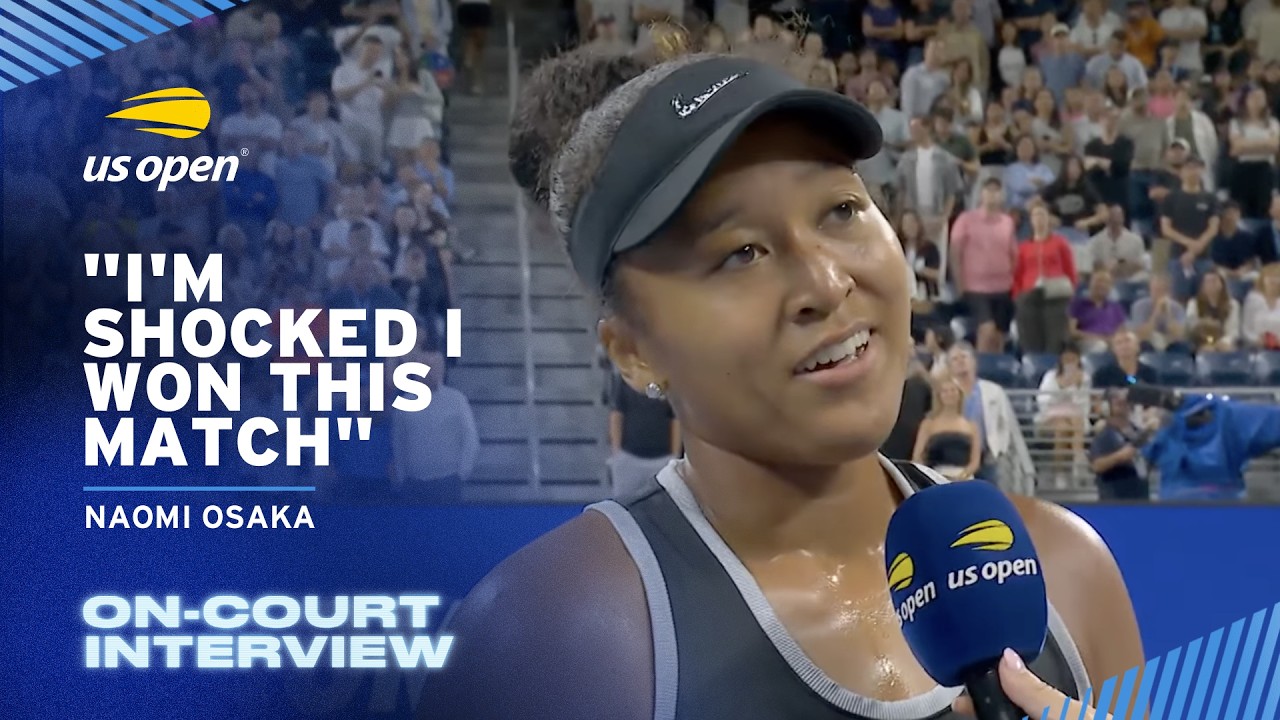
Naomi Osaka walked into the 2018 US Open final as a heavy underdog and walked out as the player who had just beaten Serena Williams to win the first Grand Slam title of her life — and the first ever won by a Japanese player. That moment changed professional tennis, launched one of the most lucrative endorsement careers in women’s sports history, and introduced the world to an athlete who would prove as willing to walk away from the game as to dominate it. By 2026, the prize money, the Nike contract, the Louis Vuitton deal, the KINLÒ skincare brand, and the Hana Kuma media company have combined to produce a net worth of $120 million.
| Full Name | Naomi Osaka |
|---|---|
| Date of Birth | October 16, 1997 |
| Age | 29 years old |
| Height | 5’11” (180 cm) |
| Nationality | Japanese (also holds dual citizenship) |
| Profession | Professional Tennis Player, Entrepreneur |
| Net Worth | $120 Million (2026) |
| Grand Slams | 4 (US Open 2018 & 2020, Australian Open 2019 & 2021) |
| Partner | Cordae (rapper) |
| Known For | First Japanese Grand Slam winner, mental health advocacy, KINLÒ skincare |
Early Life and Education
Naomi Osaka was born on October 16, 1997, in Chuo-ku, Osaka, Japan. Her mother, Tamaki, is Japanese. Her father, Leonard François, is Haitian — a background that would later become central to her identity and her advocacy. The family moved to the United States when Naomi was three years old, first settling in Elmont, New York, with her paternal grandparents on Long Island.
Her father had been inspired by Richard Williams, the legendary parent-coach of Venus and Serena Williams, and decided to train both Naomi and her older sister Mari as tennis players despite having no tennis background himself. The methodology was unconventional, the resources limited, and the results extraordinary. When Naomi was nine, the family relocated to Florida to access better tennis facilities.
She practiced on public courts in Pembroke Pines while home-schooling in the evenings — a schedule that combined competitive junior training with the kind of academic isolation that sometimes accompanies elite athletic childhoods. At 15, she began working with coach Patrick Tauma at the ISP Academy. She later trained at the Harold Solomon Tennis Academy and the ProWorld Tennis Academy, developing the explosive baseline game that would become her signature.
Unlike most elite juniors, Osaka skipped the ITF Junior Circuit entirely. She played her first qualifying professional match on her 14th birthday — a decision that bypassed the developmental junior circuit and launched directly into the professional game. It was a bold gamble that reflected the family’s confidence in a talent they had grown themselves.
Career Timeline
Early Professional Years (2013–2017)
Osaka turned professional in September 2013, just before turning 16. Her first professional year saw her climb from world ranking 406 to 250 — steady rather than spectacular, but laying foundations. By 2016, she cracked the WTA top 100 for the first time and was named the WTA Newcomer of the Year. Her game was already characterized by a ferocious serve and aggressive groundstrokes, but she was still raw and inconsistent.
Grand Slam Breakthrough (2018–2021)
The 2018 Indian Wells Open was Osaka’s first professional title. What happened next — winning the Miami Open the following week — included a stunning defeat of Serena Williams, her childhood idol, in straight sets. This was the moment that announced her as a future major champion.
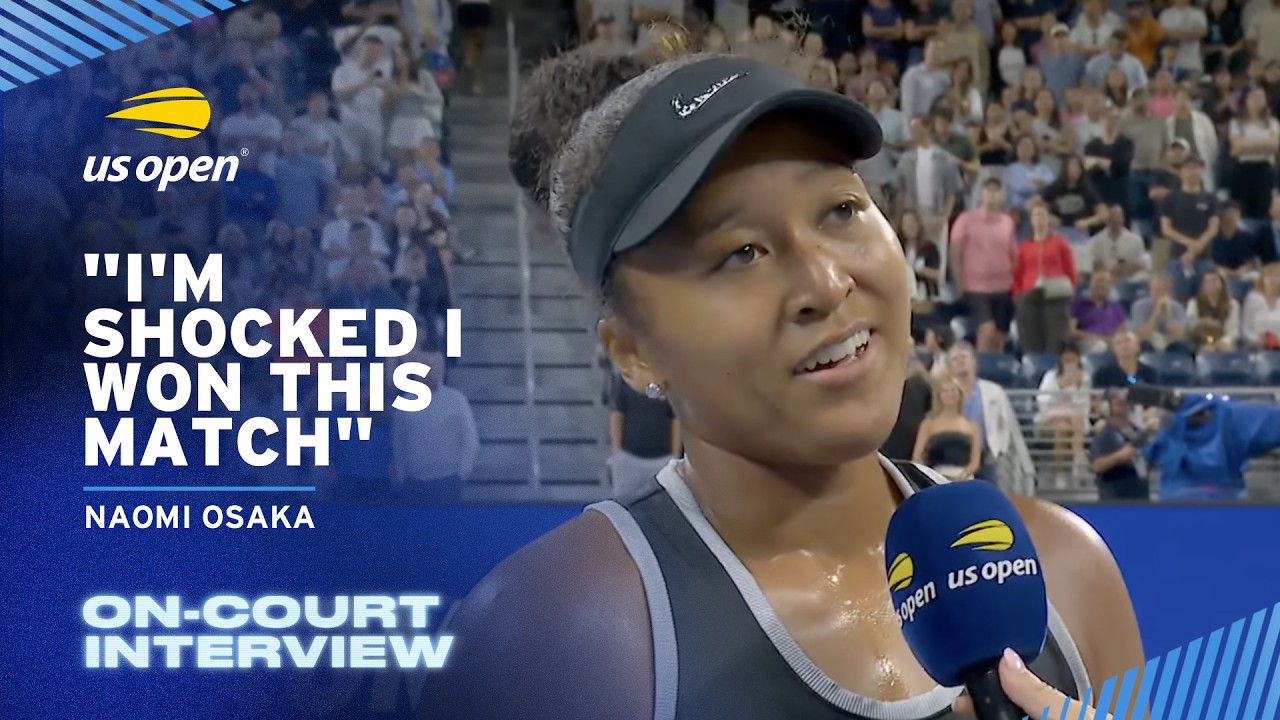
The 2018 US Open final against Williams remains one of the most dramatic matches in Grand Slam history. It was overshadowed by Williams’ argument with chair umpire Carlos Ramos, but the tennis itself was clear: Osaka outplayed the greatest player of all time in straight sets to claim the title and become the first Japanese player ever to win a Grand Slam singles event. She was 20 years old and wept on the court during the trophy ceremony.
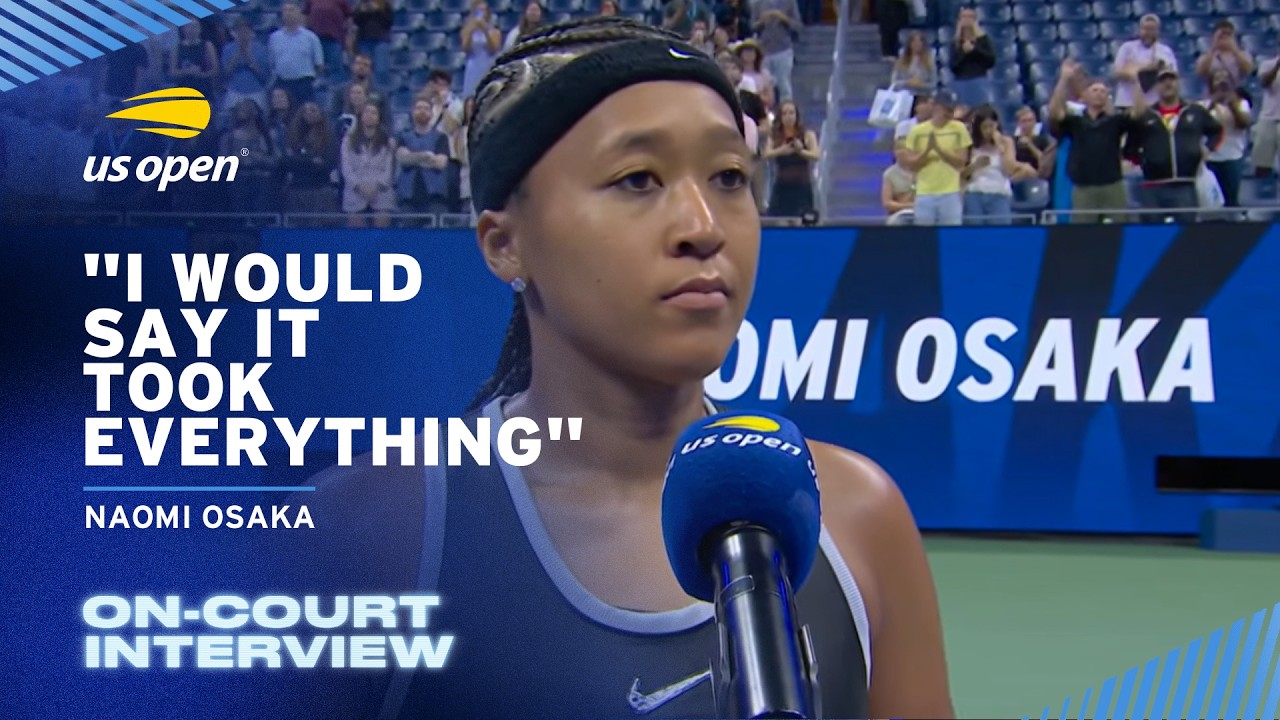
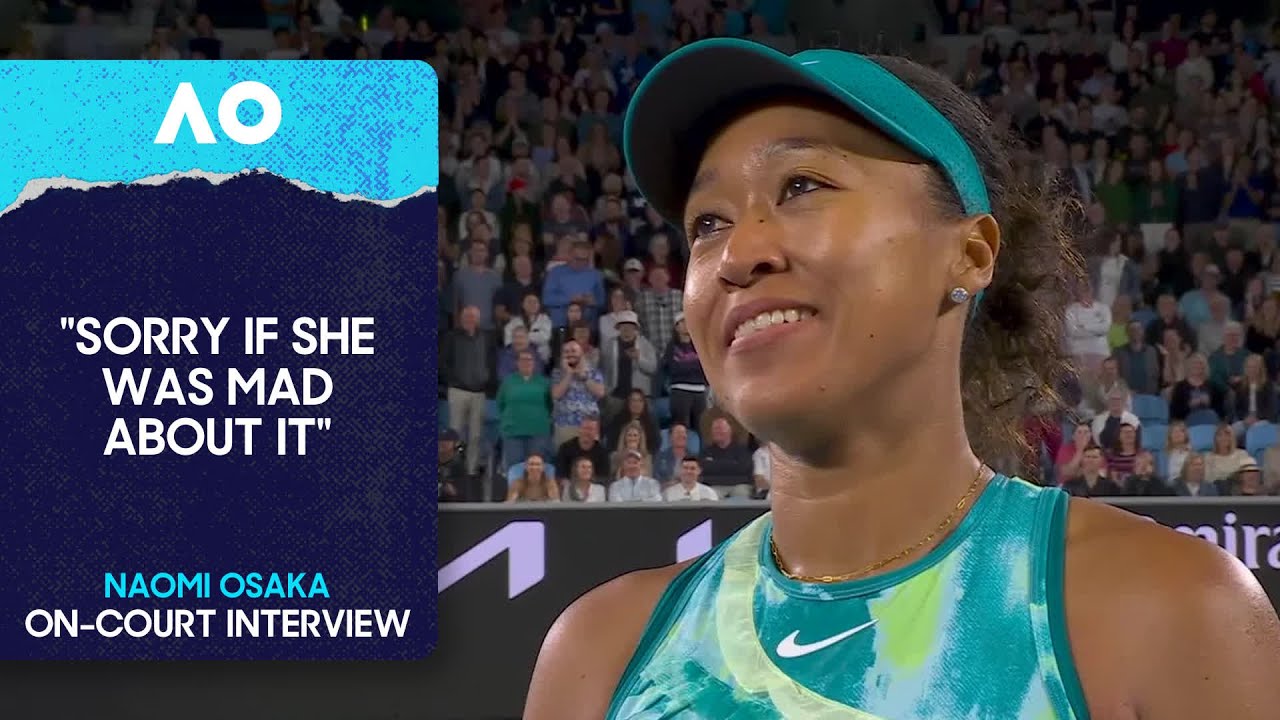
The Australian Open 2019 brought her second major and briefly the world No. 1 ranking — the first time an Asian player had ever held that position. She added the US Open 2020 during the COVID pandemic-era bubble tournament at Flushing Meadows, wearing masks bearing the names of victims of racial violence in America. It was a statement that combined athletic brilliance with social consciousness in a way that few athletes before her had managed. The Australian Open 2021 gave her a fourth title, extending her remarkable record of four finals, four victories.
Mental Health Advocacy and Hiatus (2021–2023)
At the 2021 French Open, Osaka announced she would not participate in post-match press conferences, citing the mental health toll of media obligations. When the tournament threatened fines and potential expulsion, she withdrew entirely. It triggered a global conversation about athlete mental health and sports governance. She later revealed she had been dealing with depression and anxiety for years.
In early 2023, she announced she was pregnant, took leave from the tour, and gave birth to her daughter Shai with partner Cordae in July 2023. The pregnancy-related retirement from tennis proved temporary, but it transformed her public image — adding a maternal dimension to a figure already known for authenticity over performance.
Business Empire and Return to Tennis (2023–2026)
While away from competition, her business ventures continued to grow. KINLÒ, her functional skincare brand created for people with melanated skin tones, expanded distribution. Hana Kuma, the media production company she co-founded — partnered with LeBron James’ SpringHill Company — developed several projects. Evolve, the sports management agency she co-founded with agent Stuart Duguid, began working with other athletes.
Her return to competitive tennis received significant attention, with sponsorship packages expanding as her profile remained among the highest in the sport. By 2026, with a full season back on tour, she combined the roles of elite athlete, entrepreneur, and cultural figure in a way that few sports stars of her generation have achieved.
Naomi Osaka Net Worth: Where the $120 Million Comes From
Naomi Osaka earned $230 million between 2019 and 2025 — roughly $25 million of that from prize money, with the remaining $200+ million from endorsements, business ventures, and investments. That ratio reflects a commercial model that made her the highest-paid female athlete in the world for three consecutive years (2019-2021). Even during her extended breaks from competition, her earning power barely declined, because her cultural value operated independently of her ranking.
| Income Source | Estimated Amount | Type | Notes |
|---|---|---|---|
| Prize Money (Career) | $25M+ gross | Cumulative | 4 Grand Slams + career WTA earnings; personal net ~$15-18M after costs |
| Nike Sponsorship | $8-10M/year | Annual (personal) | Premier clothing partner; long-term global deal |
| Louis Vuitton (LVMH) | $3-5M/year | Annual (personal) | Luxury brand ambassador, campaign face |
| MasterCard, TAG Heuer, Beats by Dre | $3-5M/year | Annual (personal) | Multi-brand portfolio combining finance, luxury and tech |
| Panasonic, Nissan, Nissin, Shiseido | $3-4M/year | Annual (personal) | Japanese national brand partners; market relevance in Japan enormous |
| KINLÒ Skincare | Est. $5-10M | Cumulative | Founder equity; valuation growing as brand expands distribution |
| Hana Kuma & Evolve | Est. $5-10M | Cumulative | Media and sports management businesses; equity + revenue stake |
| Real Estate | Est. $6-8M | Cumulative | Tarzana home ($6.3M); sold Beverly Hills mansion at profit ($8.7M) |
| Estimated Total Net Worth | $120 Million (2026) | ||
Net Worth Over Time
Osaka’s wealth accumulated at an extraordinary rate between 2018 and 2022. The 2018 US Open title unlocked the first tier of major sponsorship deals. By 2019-2020, she was regularly named the world’s highest-paid female athlete — not primarily because of tennis earnings (which were significant but not exceptional by historic standards) but because brands globally wanted her association. Her net worth is estimated to have been around $20-30 million by 2019, rising through $60 million by 2021, and continuing upward through her hiatus to reach $120 million by 2026 on the strength of equity positions in KINLÒ, Hana Kuma, and Evolve, alongside continued endorsement income during her absence from competition.
Personal Life and Relationships
Naomi Osaka has been in a relationship with American rapper Cordae (born Cordae Amari Dunston) since approximately 2019. They have kept their relationship largely private but were photographed together at multiple events before Osaka’s pregnancy announcement. In July 2023, they welcomed a daughter, Shai Osaka. Despite Osaka’s global fame, Cordae has maintained his own career in music, releasing multiple albums and earning Grammy nominations independently of his partner’s tennis profile.
Osaka has spoken candidly about her mixed Japanese-Haitian heritage and the difficulty of fitting into neat national or cultural categories. She represented Japan at the 2020 Tokyo Olympics (held in 2021), where she lit the Olympic cauldron — a moment that was simultaneously a sporting honour and a statement about Japanese-American identity. She was raised in the United States but has always maintained deep connections to Japan through her mother’s family.
Awards and Recognition
Osaka has won the WTA Most Impressive Newcomer award and been named TIME magazine’s Athlete of the Year. She has appeared on numerous Forbes and Fortune lists as one of the most powerful people in sports. Her combination of athletic achievement, business acumen, and willingness to speak publicly about mental health and racial justice has earned recognition from organisations well beyond the tennis establishment.
5 Things You Didn’t Know About Naomi Osaka
- Her father, Leonard François, had never played tennis when he decided to train Naomi and her sister Mari as professional players — taking direct inspiration from Richard Williams, the father of Venus and Serena Williams.
- She wore seven different masks at the 2020 US Open, each bearing the name of a Black American victim of racial violence. The gesture brought global attention to the intersection of sport and social justice.
- Her skincare brand KINLÒ was created specifically to address a gap she identified: high-quality skincare formulated for people with melanated skin tones, a category long underserved by the mainstream beauty industry.
- She holds the record as the first Asian player ever to hold the WTA World No. 1 ranking — a milestone achieved after her 2019 Australian Open victory.
- During her 2023 pregnancy, her commercial partners largely maintained their deals rather than pausing them — a decision that reflected both Osaka’s personal leverage and a broader shift in how sponsors view athlete parenthood.
Frequently Asked Questions About Naomi Osaka
What is Naomi Osaka’s net worth in 2026?
Naomi Osaka’s net worth is estimated at $120 million as of 2026. Her wealth has been built primarily through endorsements rather than prize money — she earned $230 million between 2019 and 2025, of which only around $25 million came from on-court prize earnings. The rest came from Nike, Louis Vuitton, MasterCard, Nissan, Panasonic, and other global partners, plus equity stakes in her own businesses KINLÒ, Hana Kuma, and Evolve.
How many Grand Slams has Naomi Osaka won?
Naomi Osaka has won four Grand Slam singles titles: the US Open in 2018 and 2020, and the Australian Open in 2019 and 2021. She went undefeated in four Grand Slam finals — a record of perfect clutch performance. Her 2018 US Open win made her the first Japanese player in history to win a Grand Slam singles title, and her 2019 Australian Open win made her the first Asian player to hold the WTA World No. 1 ranking.
What businesses does Naomi Osaka own?
Naomi Osaka co-founded three businesses: KINLÒ (a skincare brand for people with melanated skin tones), Hana Kuma (a media production company partnered with LeBron James’ SpringHill Company), and Evolve (a sports management agency co-founded with her agent Stuart Duguid). These ventures give her equity ownership that continues to grow in value regardless of her tennis results, making her financial position more diversified than most athletes her age.
Why did Naomi Osaka withdraw from the French Open in 2021?
Naomi Osaka withdrew from the 2021 French Open after announcing she would not participate in mandatory post-match press conferences, citing the significant mental health toll of media obligations. When tournament authorities threatened fines and potential expulsion, she withdrew rather than comply. The decision was widely discussed across sports, triggering a global conversation about athlete wellbeing, mental health, and the institutional expectations placed on elite performers. She later revealed she had been dealing with depression and anxiety for years.
Who is Naomi Osaka’s partner?
Naomi Osaka is in a relationship with American rapper Cordae (born Cordae Amari Dunston). They have been together since approximately 2019. In July 2023, they welcomed a daughter named Shai Osaka. Both Osaka and Cordae have maintained separate public profiles — she in tennis and business, he in music — while keeping the details of their personal relationship largely private.
What nationality is Naomi Osaka?
Naomi Osaka holds Japanese nationality and represented Japan throughout her professional tennis career, including at the 2020 Tokyo Olympics where she was chosen to light the Olympic cauldron. Her mother is Japanese and her father is Haitian. Though she was born in Japan and identifies strongly with Japanese culture, she was raised primarily in the United States from age three. Her mixed heritage has been a consistent part of her public identity, and she has spoken openly about the experience of navigating multiple cultural backgrounds.
How much does Naomi Osaka earn from endorsements?
Naomi Osaka earns an estimated $20-30 million per year from endorsements at her peak earning years, making her the world’s highest-paid female athlete for three consecutive years between 2019 and 2021. Her portfolio includes Nike, Louis Vuitton, MasterCard, TAG Heuer, Beats by Dre, Nissan, Panasonic, Meta, Nissin, Shiseido, Hyperice, and ZICO Coconut Water — one of the most comprehensive and globally distributed endorsement rosters of any female athlete in history.
What happened at Naomi Osaka’s US Open 2018 final?
The 2018 US Open final between Naomi Osaka and Serena Williams became one of the most controversial matches in Grand Slam history. Osaka won convincingly in straight sets, but the match was dominated by a dispute between Williams and chair umpire Carlos Ramos over coaching violations and equipment damage. Despite the controversy, Osaka’s on-court performance was outstanding — she outplayed the greatest player in tennis history to claim her first major title at age 20, becoming the first Japanese player to win a Grand Slam event.
Also Read:
- Serena Williams Net Worth: The $260M Tennis Empire
- Coco Gauff Net Worth: From Compton to Grand Slam Champion
- Iga Swiatek Net Worth 2026: How 6 Grand Slams Built a $35M Tennis Empire