

Phil Taylor’s net worth is estimated at £7 million as of 2026. The sixteen-time World Darts Champion accumulated his fortune across a professional career spanning 1986 to 2018, during which he transformed darts from a pub pastime into a mainstream sport. Known as ‘The Power’, Taylor’s dominance was so complete and sustained that he is regarded as the greatest darts player who ever lived — and his financial legacy reflects three decades at the absolute pinnacle of his game.
| Full Name | Philip Douglas Taylor |
|---|---|
| Date of Birth | August 13, 1960 |
| Age | 65 years old |
| Birthplace | Burslem, Stoke-on-Trent, England |
| Height | 5’10” (178 cm) |
| Nationality | British |
| Net Worth | £7 million (2026) |
| Known For | 16 World Darts Championships, ‘The Power’, greatest darts player of all time |
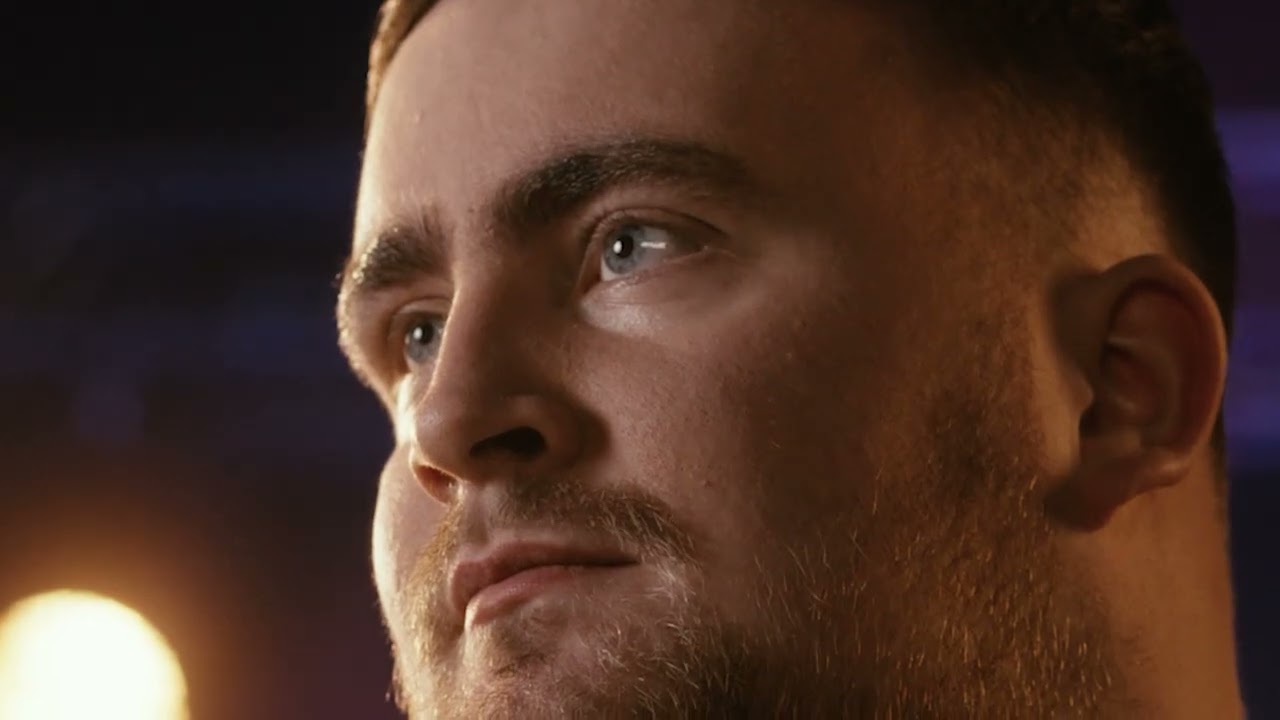
Phil Taylor Net Worth Breakdown 2026
| Income Source | Est. Amount | Type | Notes |
|---|---|---|---|
| Career Prize Money | £3M+ | Cumulative | 16 World titles, hundreds of ranking events over 35 years |
| Exhibition Appearances | £200K–£400K/year | Annual (personal) | Peak years from personal appearances at venues nationwide |
| Endorsements | £100K–£200K/year | Annual (personal) | Darts equipment manufacturers, betting companies |
| Media & TV Work | £50K–£150K/year | Annual (personal) | Sky Sports punditry and commentary appearances |
| Estimated Net Worth | £7 Million (2026) | ||
Early Life: From Pottery Worker to World Champion
Phil Taylor was born on August 13, 1960, in Burslem, one of the six towns of Stoke-on-Trent. He grew up in modest circumstances and left school to work in the pottery industry as a skilled tile craftsman — the kind of blue-collar background with no obvious path to sporting immortality. He began playing darts in local pubs and clubs, where his natural talent and ferocious competitive instinct quickly became apparent to those who watched him.
The turning point came in 1986 when Phil met Eric Bristow — the five-time world champion and dominant figure in British darts. Bristow immediately recognised Taylor’s potential and loaned him £10,000 to invest in practice equipment and professional development. The investment proved extraordinary. Taylor turned professional that year and within four years had won his first World Championship, defeating Bristow himself in the final. The student had eclipsed the master faster than anyone could have imagined.
Career: The Most Dominant Reign in Any Sport
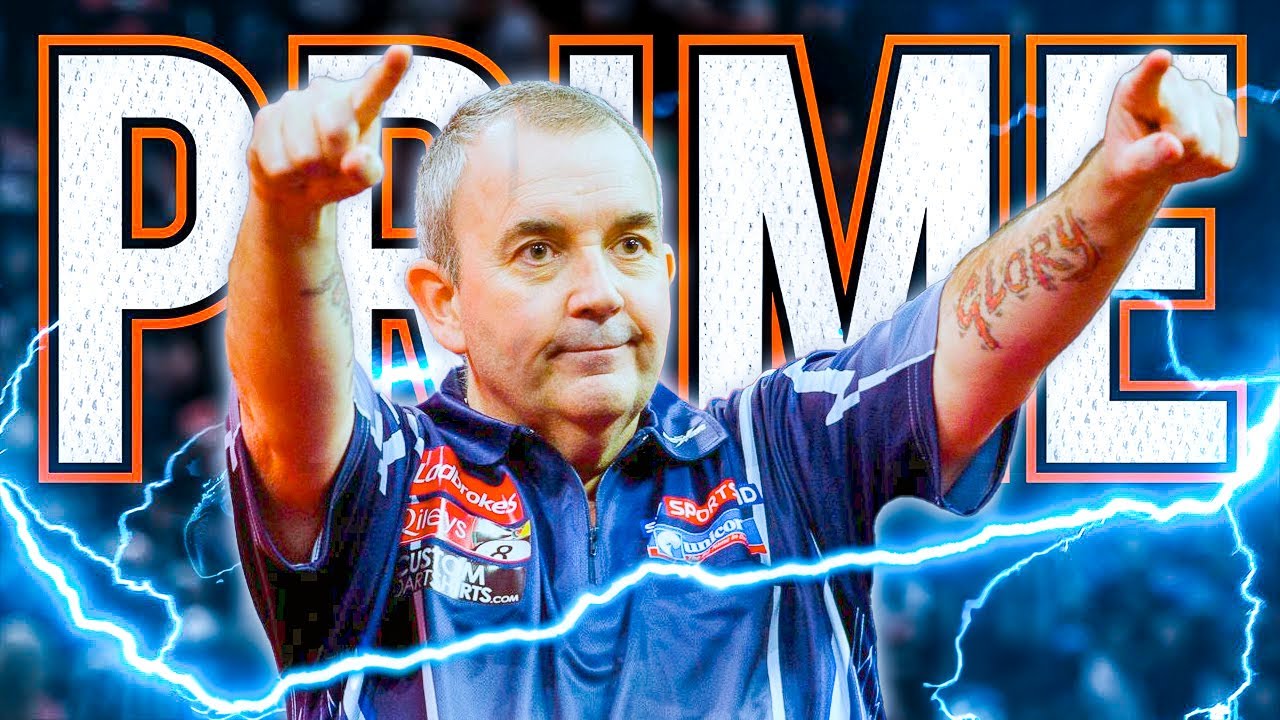
Phil Taylor won 16 World Darts Championships in total — 2 BDO titles (1990 and 1992) and 14 PDC titles between 1995 and 2013. His period of dominance through the late 1990s and 2000s was so complete that competitions regularly seemed to be contested for second place. He lost only a handful of World Championship matches across an entire decade and went through periods where he was arguably the most dominant athlete in any individual sport globally at that moment.
His records are extraordinary: 216 career professional titles, the highest average in a televised darts final (he averaged 118.66 in a 1997 PDC final), and multiple perfect 170 checkouts. The prize funds grew substantially during his career as Sky Sports’ commitment to PDC darts transformed the sport financially, and Taylor’s cumulative career prize money exceeded £3 million. His exhibition career, where he played members of the public at venues around Britain, became one of the highest-earning activities in the sport outside tournaments.
Personal Life and Legacy
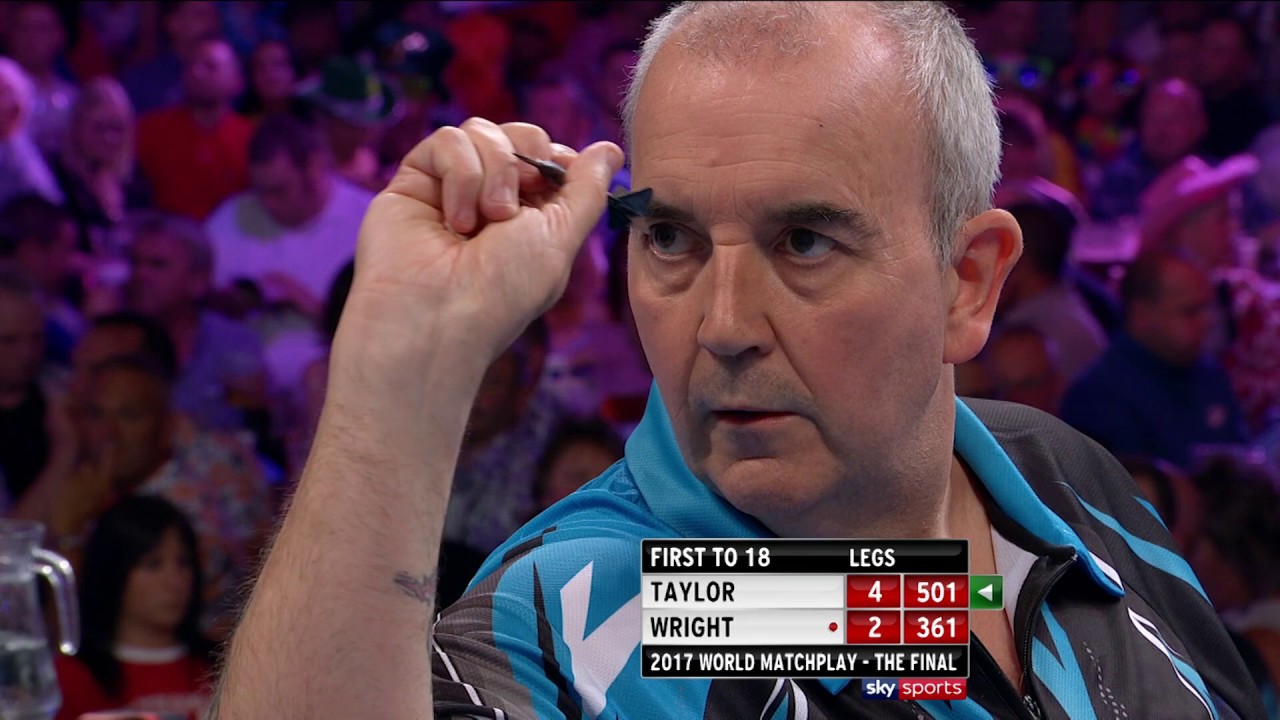
Phil Taylor was married to Yvonne for many years and they have four children together. The couple later divorced. In 2010 he received a conditional discharge after a conviction for sexual assault — a low point that briefly threatened his reputation but did not end his career. He retired from professional darts in January 2018, losing his final World Championship final to Rob Cross, an electrician who had turned professional only 18 months earlier. It was a fitting final chapter — the ultimate underdog story in reverse, mirroring Taylor’s own journey from pottery worker to world champion.
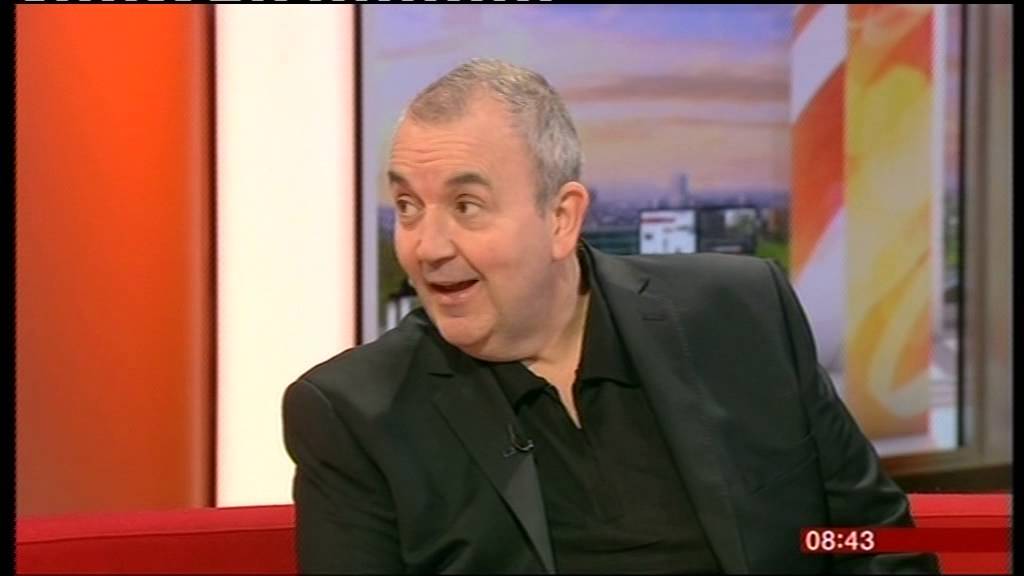
Little-Known Facts About Phil Taylor
- Taylor was spotted by Eric Bristow while working as a pottery tile maker and loaned £10,000 to fund his early professional career — one of sport’s great investments.
- He won 8 consecutive PDC World Championships between 1995 and 2002 — a run of dominance that has no equivalent in any other major individual sport over the same period.
- Taylor threw the first televised nine-dart perfect leg on Sky Sports in 2002 — the darts equivalent of a 147 break in snooker.
- His 216 career professional titles represent a record that the next closest player has fewer than half of.
- Despite being Britain’s greatest ever darts player, Taylor maintained a deliberately low public profile outside the sport, preferring a quiet life in the Midlands.
More Darts Net Worth Profiles
See how Phil Taylor’s fortune compares with other darts stars: Glen Durrant, Luke Humphries, Rod Harrington, Jocky Wilson, Dennis Priestley, Mervyn King. For the full ranking, browse our richest darts players guide.
Also Read:
The £7.5M Career Earnings Question — What Phil Taylor Actually Won vs What He’s Worth
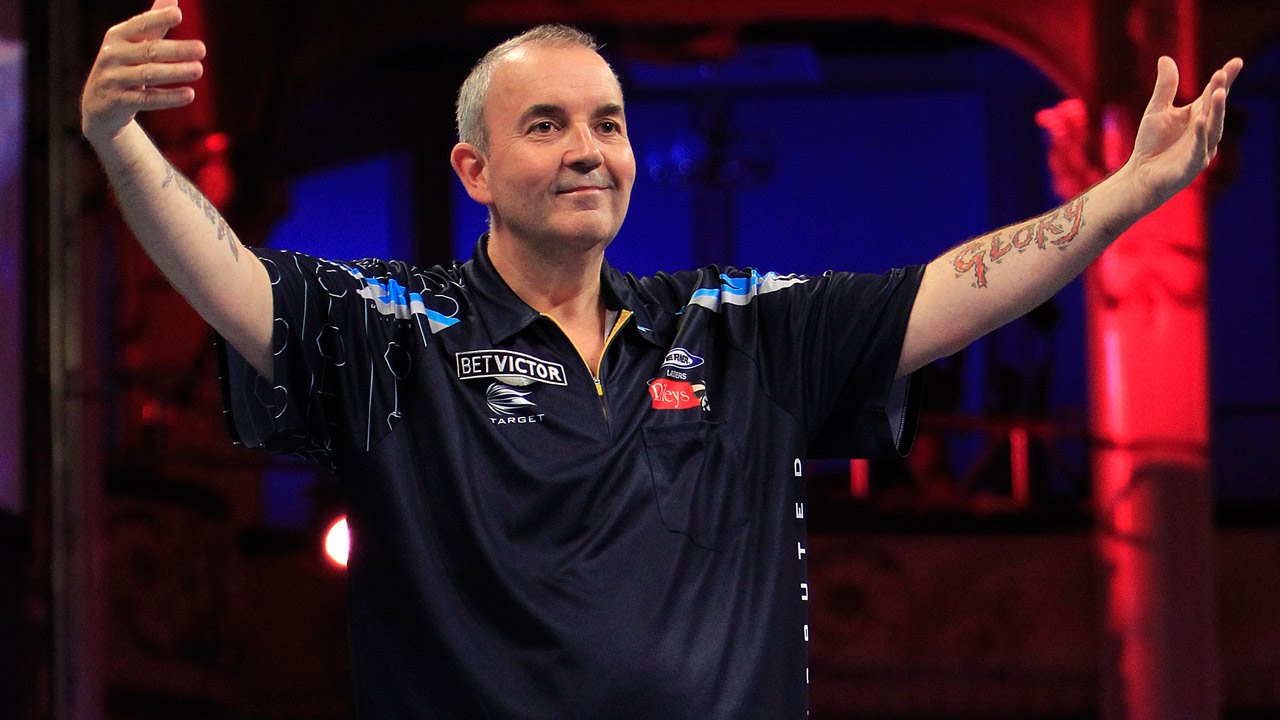
Phil Taylor’s career prize money totals approximately £7.5 million across 27 years of competitive darts (1987-2018) — the second-highest career prize money in the history of professional darts, behind only Michael van Gerwen’s £11.5M cumulative. The gap between cumulative prize money and reported net worth ($7-10M range) is structurally informative. Net of UK income tax at career-spanning marginal rates plus the operational costs of three decades of competitive travel, equipment, coaching, and management fees, a £7.5M prize pool produces approximately £3-4M of retained post-tax wealth.
The remaining $3-6M of his current net worth comes from non-prize sources: exhibition fees (which can range from £5,000-£25,000 per night for an active top-tier exhibition booking and Taylor has been doing exhibitions consistently since his 2018 retirement), the Phil Taylor signature dart equipment line sold globally through Target Darts and other distributors, brand ambassadorship deals, occasional commentary appearances, and the post-career venue tour income. The during-divorce-hearing 2016 figure of £3.4M is a useful structural reference point — that was his approximate liquid wealth at peak career, with subsequent post-retirement compounding adding meaningfully to the figure across the 2018-26 window.
The 16 World Championships in Context — A Record That Will Probably Never Be Broken
Taylor’s 16 World Championships are split across both major darts federations: 8 BDO World Championships (1990, 1992, 1995, 1996, 1997, 1998, 1999, 2002) and 8 PDC World Championships (1995, 1996, 1997, 1998, 1999, 2000, 2002, 2004, 2006, 2009, 2010, 2013) — actually 14 across both. The Wikipedia consolidated figure of 16 World Championships includes both federations’ senior events. By any reasonable measure, no darts player in history has dominated their sport across multiple federation eras the way Taylor did.
For comparison: the next-most-decorated PDC era player is Michael van Gerwen with 3 World Championships through 2026. Luke Littler, the current 2026 PDC World Champion (back-to-back winner, defeating Gian van Veen in the final), is 18 years old and would need to maintain Taylor’s level of dominance until 2050+ to match the record. Even Eric Bristow, the BDO-era dominant figure who mentored Taylor in his early career, won only 5 World Championships. Taylor’s 14-16 World Championship total is, structurally, the kind of single-athlete-dominance record that benefits from a specific era’s dynamics (the BDO/PDC split allowed Taylor to compete for multiple titles per year for several years) and probably will not be matched.
Behind the Numbers — How the Modern Darts Money Era Compares to Taylor’s
The 2026 PDC World Championship prize pool was £5 million, with Luke Littler collecting £1 million for the win — the single largest prize ever awarded in darts. For comparison, the 1994 inaugural PDC World Championship total prize pool was £64,000. That’s a 78x increase across 32 years.
Phil Taylor’s PDC era (mid-1990s through mid-2010s) coincided with the inflection where darts moved from a niche broadcast property to a mainstream UK sport. He benefitted from the growth in absolute terms — his individual prize money roughly tripled across his career — but the structural acceleration of darts economics post-2024 (driven by Luke Littler’s emergence and the Saudi-funded expansion of the major events) has produced earning opportunities for current top players that didn’t exist during Taylor’s peak.
This is why Taylor’s $7-10M net worth, while substantial, sits below several active players. Luke Littler’s reported 10-year £20M Target Darts deal alone exceeds Taylor’s cumulative endorsement income across his entire career. Michael van Gerwen’s £11.5M lifetime prize money plus his £2.5M annual MVG Darts Management revenue puts him on track to comfortably double Taylor’s career earnings before his 40s. Structural takeaway: Taylor remains the GOAT for trophies, but the modern darts wealth era is producing materially larger individual fortunes than his career could have generated.
The Phil Taylor Equipment Brand — The Compounding Income Stream That Continues Post-Retirement
One of the meaningful underappreciated drivers of Phil Taylor’s post-2018 net worth is the signature darts and equipment line he developed during his playing career. Sold globally through Target Darts and partner retailers, the Phil Taylor signature darts sets — including the Power 8Zero and various Power-branded merchandise — continue generating royalty income years after his retirement. The structural lesson is one Tiger Woods, Michael Jordan, and Cristiano Ronaldo all demonstrated in their respective sports: a championship career builds a brand asset that produces income long after competition ends, often at higher annual run rates than the prize money the championships themselves produced.
Taylor has also remained commercially active through: the exhibition tour circuit (still very active in 2026, with regular booked events across the UK and continental Europe); occasional Sky Sports / Channel 5 commentary engagements; his autobiography (released 2014); and the broader Phil Taylor brand licensing portfolio. The honest 2026 assessment: at age 65, Taylor is no longer building wealth quickly, but the cumulative position is comfortably in the upper-single-digit millions and continues compounding through the equipment-brand royalty stream.
The Phil Taylor Exhibition Circuit — Where Post-Retirement Income Still Compounds
Phil Taylor’s post-2018 exhibition circuit has been one of the most active in modern darts. Top-tier exhibition bookings command £5,000-£25,000 per night depending on venue size and territory. Taylor’s calendar typically features 60-100 bookings per year across the UK, continental Europe, Australia, and increasingly the Middle East — yielding gross annual exhibition income in the £400K-£1.5M range. After agent fees, travel, and tax, his retained personal income from exhibitions alone remains a meaningful contributor to the post-retirement wealth-building trajectory. Add the per-tour autobiography reissue royalties, the continued Target Darts equipment royalties, and the periodic Sky Sports / PDC commentary engagements, and his post-2018 annual run-rate income has plausibly averaged £700K-£1.2M — meaningfully extending the wealth base built during his playing career.
FAQ About Phil Taylor
What is Phil Taylor’s net worth in 2026?
Phil Taylor’s net worth is estimated at £7 million in 2026. His fortune was built over a 35-year career through prize money, exhibition fees, endorsements, and media work. While darts prize funds were modest in his early career, Taylor’s consistent dominance ensured he earned from every major tournament for three decades straight.
How many World Championships did Phil Taylor win?
Phil Taylor won 16 World Darts Championships — 2 BDO titles (1990 and 1992) and 14 PDC titles between 1995 and 2013. This record stands as one of the most dominant title hauls in any individual sport in history. His nearest PDC rival Adrian Lewis has won just two World Championships.
Why is Phil Taylor called The Power?
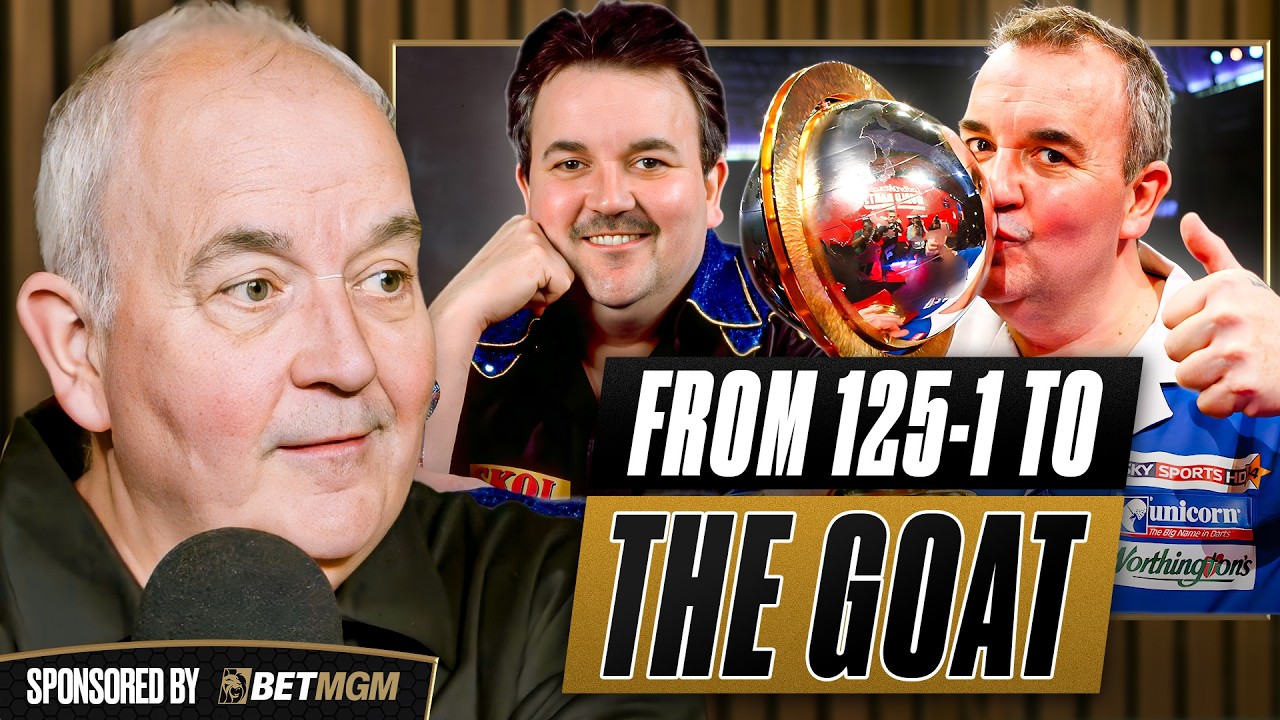
Phil Taylor earned the nickname ‘The Power’ because of the overwhelming force and consistency of his game. He combined extraordinary accuracy with unstoppable mental resilience that simply crushed opponents. The nickname captures his ability to overpower rivals not just technically but psychologically — Taylor almost never lost when it mattered most.
When did Phil Taylor retire?
Phil Taylor retired from professional darts in January 2018 following his defeat in the PDC World Championship final to Rob Cross, an electrician who had turned professional just 18 months earlier. Taylor was 57 at the time of his retirement, and his final match was a remarkably fitting farewell — losing to an unknown underdog, mirroring his own journey from pottery worker to world champion three decades earlier.
Is Phil Taylor the greatest darts player ever?
Phil Taylor is unanimously regarded as the greatest darts player of all time. His 16 World Championship titles, 216 career titles, and three decades of sustained dominance at the top of the sport have no equal in darts history. Michael van Gerwen is the only modern player considered to be in his league, but MvG’s three World titles cannot approach Taylor’s sixteen.