

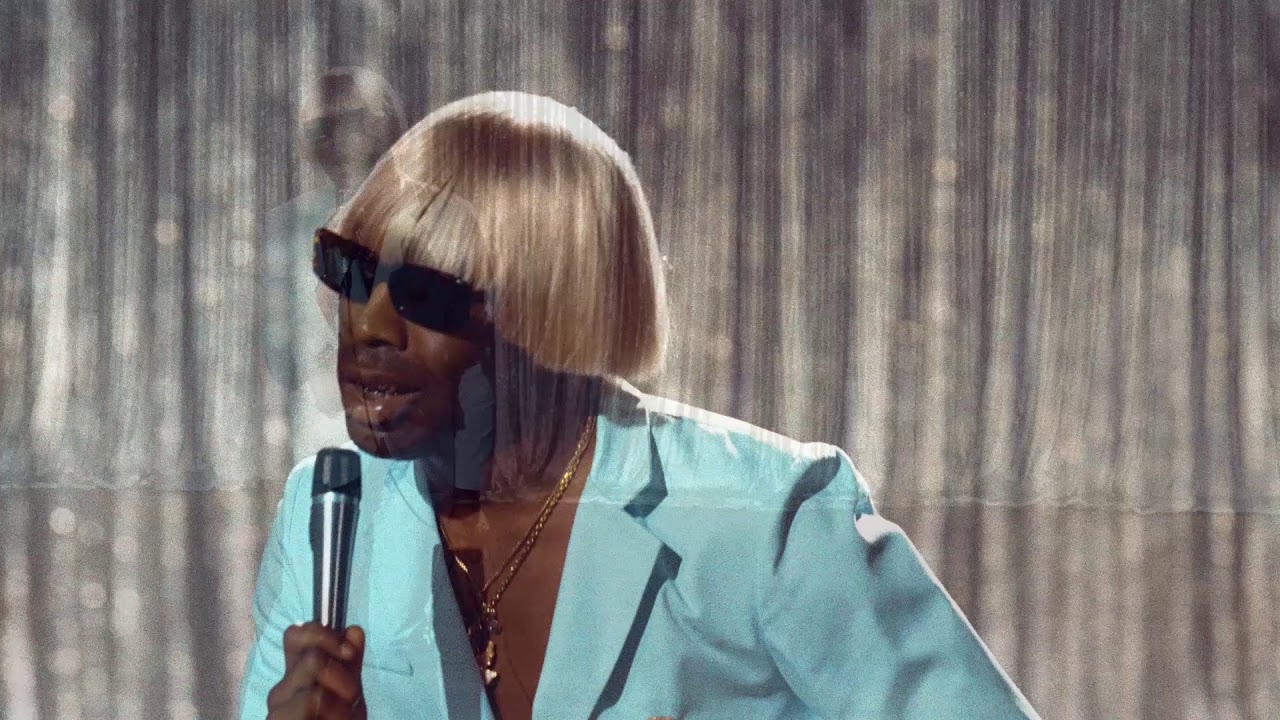
Tyler, the Creator is one of the most genuinely original artists in modern music — a rapper, producer, filmmaker, fashion designer, and festival founder who refuses to be contained by any single genre. Since co-founding the Odd Future collective in Los Angeles in 2007, he has evolved from a provocateur outsider into a Grammy-winning, Billboard-topping, mainstream-yet-uncommercial phenomenon. His net worth in 2026 is estimated at $16 million, built across music, fashion, and live events.
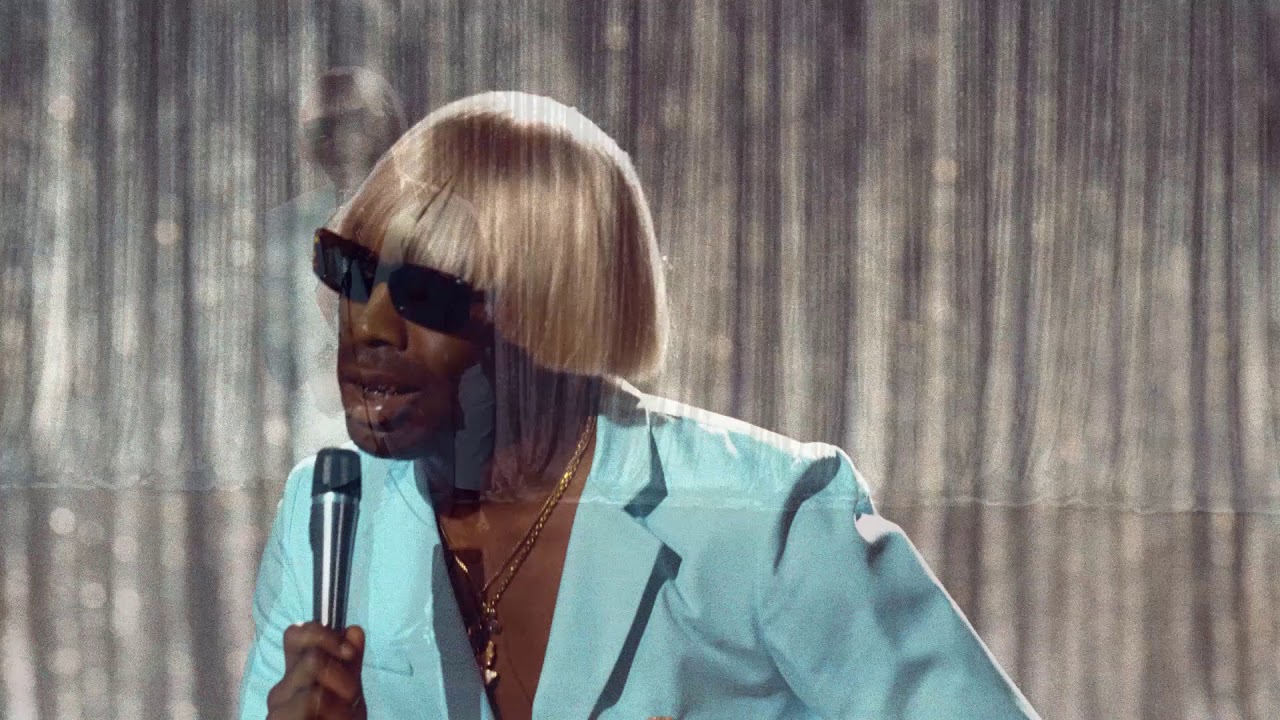
Tyler the Creator Quick Facts
| Full Name | Tyler Gregory Okonma |
|---|---|
| Date of Birth | March 6, 1991 |
| Age | 35 years old |
| Birthplace | Ladera Heights, Los Angeles, California, USA |
| Height | 6’1″ (185 cm) |
| Nationality | American |
| Profession | Rapper, Singer, Producer, Director, Fashion Designer |
| Net Worth | $16 Million (2026) |
| Label | Columbia Records / Odd Future Records |
| Known For | IGOR, Chromakopia, Golf Wang fashion, Camp Flog Gnaw festival, Odd Future founder, Grammy winner |
Frequently Asked Questions About Tyler, the Creator
What is Tyler, the Creator’s net worth in 2026?
Tyler, the Creator’s net worth is estimated at $16 million in 2026. This reflects streaming royalties from a critically acclaimed seven-album catalog, touring income from headline tours and his own Camp Flog Gnaw music festival, revenue from Golf Wang — his streetwear brand — and production credits for other artists. His wealth continues to grow as his fashion business expands and his catalog generates increasing streaming income.
What is Tyler, the Creator’s real name?
Tyler, the Creator’s real name is Tyler Gregory Okonma. He was born on March 6, 1991, in Ladera Heights, Los Angeles, California. His father is Nigerian and his mother is African American and he grew up largely without his father’s presence, a biographical detail that runs through much of his early music. He has used the stage name Tyler, the Creator throughout his career — always with the comma before “the.”
How did Tyler, the Creator get famous?
Tyler got famous through Odd Future, the Los Angeles hip-hop collective he co-founded around 2007 with Earl Sweatshirt, Frank Ocean, and others. The collective’s anarchic energy, dark humor, and unconventional aesthetics generated massive online buzz in 2010-2011. His solo debut album Goblin (2011) debuted at #5 on the Billboard 200 and established him as a generational talent. IGOR (2019) won the Grammy for Best Rap Album and debuted at #1, cementing his artistic credibility at a mainstream level.
Has Tyler, the Creator won a Grammy?
Yes. Tyler, the Creator won the Grammy Award for Best Rap Album in 2020 for IGOR (2019). His acceptance speech generated considerable attention when he commented on the limitations of the “Rap Album” category for music that blends multiple genres. He has received additional Grammy nominations for subsequent albums. IGOR is widely considered one of the most important albums of its era across any genre.
What is Golf Wang?
Golf Wang is Tyler, the Creator’s fashion label, founded around 2011. It produces streetwear — clothing, footwear, and accessories — characterized by bright colors, bold graphics, and distinctive typography. Golf Wang has grown from a small online operation into a serious fashion brand with retail presence, seasonal collections, and collaborations with brands including Converse and Lacoste. It is one of Tyler’s most significant business assets, with estimated annual revenues in the millions of dollars.
What is Camp Flog Gnaw?
Camp Flog Gnaw Carnival is Tyler, the Creator’s annual music festival, held at Dodger Stadium in Los Angeles. Founded in 2012, it has grown into one of LA’s most anticipated annual events, featuring a mix of hip-hop, R&B, pop, and alternative artists alongside carnival attractions. The festival generates significant revenue for Tyler as owner and organizer, and has become a cultural institution for Los Angeles youth culture. Past headliners have included Kanye West, Childish Gambino, and Frank Ocean.
What is Tyler, the Creator’s biggest album?
Commercially, Chromakopia (2024) debuted with the most first-week equivalent album units of his career — approximately 311,000 units in its first week — at #1 on the Billboard 200. Critically, IGOR (2019) is considered his artistic peak and is the album that won him a Grammy. Call Me If You Get Lost (2021) was a critical and commercial success that introduced his “Gangsta Grillz” mixtape aesthetic to the mainstream.
Is Tyler, the Creator gay or bisexual?
Tyler, the Creator has addressed his sexuality in his music and in interviews without making formal declarations. Lyrics on Flower Boy (2017) were widely interpreted as coming out, and he has spoken obliquely about relationships with men in interviews. He has pushed back on the need to label his sexuality publicly. His music treats themes of queerness, loneliness, and romantic complexity with a level of emotional nuance rare in hip-hop.
Where does Tyler, the Creator live?
Tyler, the Creator lives in Los Angeles, California, where he was born and raised. He is closely associated with the Ladera Heights area of LA, a middle-class neighbourhood with a predominantly Black population, which he has referenced frequently in his music. He has designed his home extensively and has spoken about architecture and interior design as significant creative interests alongside music and fashion.
Also Read:
Net Worth Breakdown: How Tyler, the Creator Earns His $16M
| Income Source | Estimated Amount | Type | Notes |
|---|---|---|---|
| Streaming Royalties | $1.5–2.5M/year | Annual (personal) | Spotify, Apple Music, YouTube — critically acclaimed catalog; Chromakopia generated massive first-week streams |
| Touring & Live Shows | $3–5M/year | Annual (personal) | Headline tours in arenas and large theaters; personal take after tour costs; consistent global demand |
| Camp Flog Gnaw Festival | $1–3M/year | Annual (personal) | Owner of his own annual LA festival at Dodger Stadium; personal revenue after event costs |
| Golf Wang Fashion | $2–4M/year | Annual (personal) | Seasonal streetwear collections, collaborations with Converse and Lacoste; direct-to-consumer and retail revenue |
| Production & Songwriting | $500K–$1M/year | Annual (personal) | Production credits for other artists; publishing royalties from his own catalog and external placements |
| Brand Deals | $500K–$1M/year | Annual (personal) | Selective partnerships; Converse collaboration is most prominent sustained brand relationship |
| Estimated Total Net Worth | $16 Million (2026) | ||
Career Overview
Tyler, the Creator’s artistic evolution across eight albums is one of the most documented creative journeys in modern music. He began as the ringleader of Odd Future, the LA collective that exploded online in 2010 with shock-rap aesthetics, DIY video production, and a sense of anarchic creative community that felt genuinely new. Goblin (2011) was divisive — critics were divided on whether its darkness was art or provocation — but it established an audience and a persona that was entirely Tyler’s own.
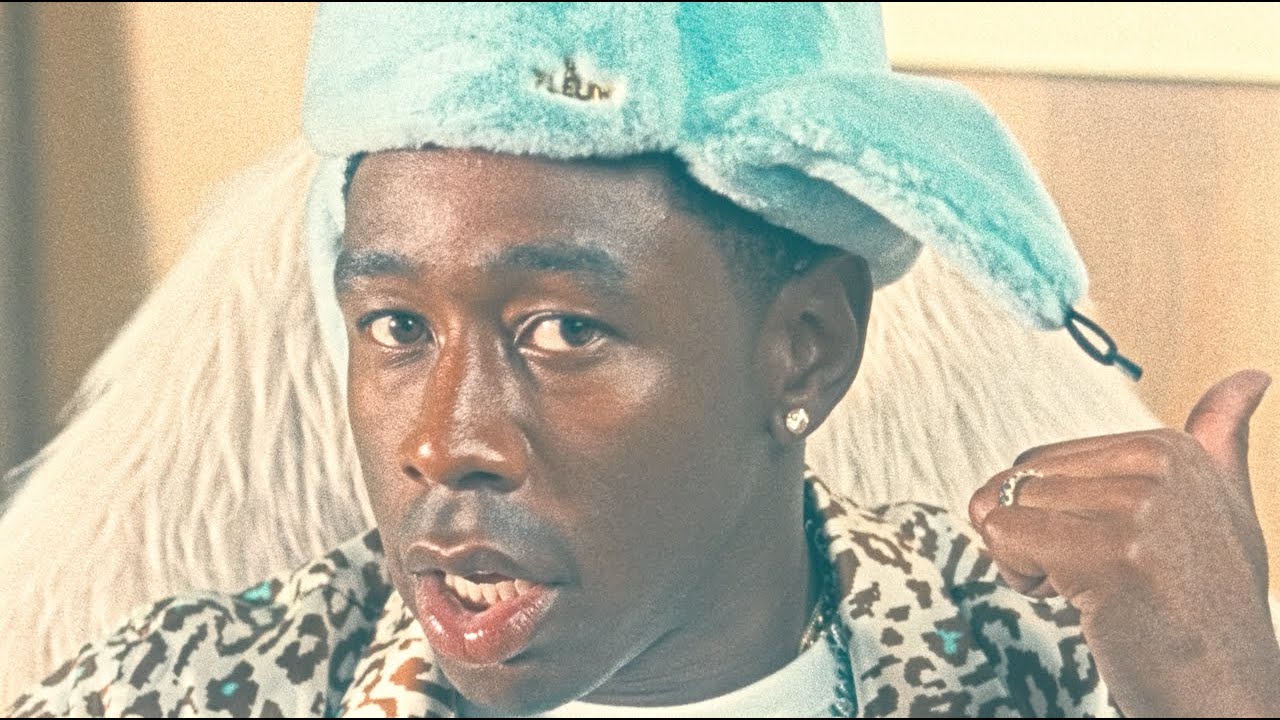
Wolf (2013) and Cherry Bomb (2015) were transitional albums — Wolf consolidated his rap credentials while Cherry Bomb pushed into experimental production territory that alienated some listeners but prefigured everything he would do next. Flower Boy (2017) was the pivot: melodically ambitious, emotionally vulnerable, and widely interpreted as a coming-out record. It earned his first Grammy nomination and introduced a massive new audience to his music.
IGOR (2019) was the breakthrough on every level. Recorded as a concept album about heartbreak and emotional obsession, with Tyler performing nearly all instruments and vocal parts himself, it debuted at #1 on the Billboard 200 and won the Grammy for Best Rap Album — a category that seemed ill-fitted to music that drew as heavily from soul, pop, and electronic influences as from hip-hop. His acceptance speech noted this mismatch publicly. The album is now regularly cited as one of the most significant of its era.
Call Me If You Get Lost (2021) brought DJ Drama into the sessions for a Gangsta Grillz mixtape format — a format Tyler turned into a critical and commercial event with new material rather than repurposed loosies. Chromakopia (2024) debuted at #1 with 311,000 first-week units, his commercial peak, and demonstrated that his audience had grown substantially without him compromising his artistic vision. The album continued his exploration of identity, family, and masculinity.
Early Life
Tyler Gregory Okonma was born on March 6, 1991, in Ladera Heights, Los Angeles — a middle-class area notable for its high concentration of Black professionals and its relative stability compared to other parts of LA. He grew up without his Nigerian father, who left the family when Tyler was young, a biographical wound that surfaces repeatedly in his music across multiple albums.
He was largely self-taught in music and filmmaking. He learned piano and began producing beats as a child using Fruity Studio, and was making videos before he had any industry connections. His early creativity was voracious — in interviews, he has described drawing, designing, and making things constantly from a very young age. He has described himself as an outsider in school who found community online and in the music-making process itself.
He assembled Odd Future from friends and peers in the LA area beginning around 2007-2008, building the collective’s aesthetic and online presence with a hands-on approach that gave him complete creative control. The collective’s early Tumblr era and the way it monetized direct-to-fan sales before the industry understood how to do that left a lasting mark on Tyler’s approach to his career and business.
Personal Life
Tyler, the Creator is intensely private about his personal relationships while being unusually candid in his music about emotional experience. He lives in Los Angeles, where he has invested heavily in home design and architecture — he has spoken at length about his interest in the built environment and has collaborated with designers on his spaces. He does not have children and rarely discusses romantic relationships in direct terms, preferring to let the emotional content of his music do that work.
He has been banned from several countries including the United Kingdom and Australia due to lyrics from his early catalog — bans he has addressed in interviews with a mixture of exasperation and dark humor. He has maintained close friendships with many of the Odd Future members, including Frank Ocean, though the collective itself dissolved organically as each member pursued solo careers.
5 Things You Didn’t Know About Tyler, the Creator
- Tyler taught himself piano and was producing beats on Fruity Studio as a child — he had no formal music training and learned everything through self-directed experimentation.
- He is banned from entering the United Kingdom and Australia due to lyrics from his early albums; he has addressed both bans publicly and has stated he disagrees with the decisions.
- Golf Wang, his fashion label, was originally spelled as an anagram of “Wolf Gang” — a reference to Odd Future’s collective identity before he pivoted to its own brand identity.
- Tyler directed many of his own music videos and those of Odd Future members before directing other content — his visual sensibility is consistent across his music videos, fashion campaigns, and festival design.
- He is a trained chef — or at least a serious amateur — and has spoken extensively about cooking as a creative outlet and passion that parallels his musical production process.