

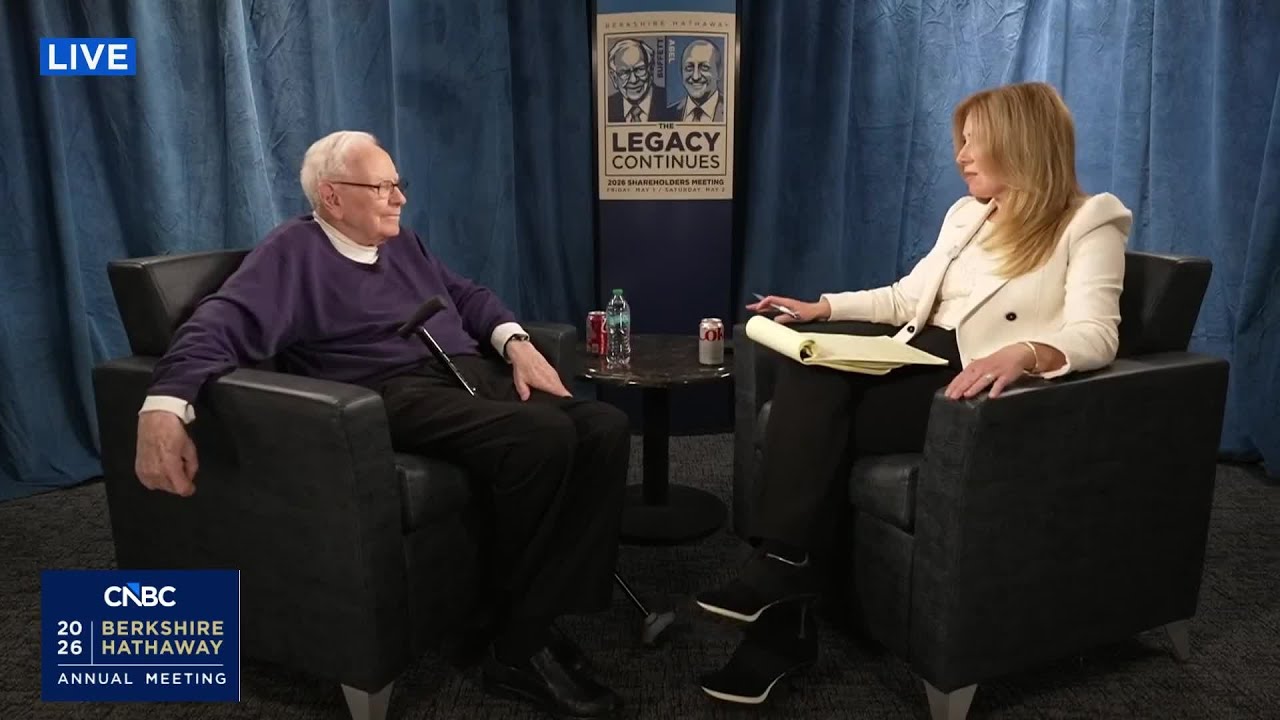
Warren Buffett’s net worth is estimated at $140 billion as of 2026, making him one of the two or three wealthiest people on earth — the product of over seven decades of disciplined, value-driven investing through his conglomerate Berkshire Hathaway. Unlike most billionaires who built their fortunes through a single company or sector, Buffett constructed his empire one undervalued business at a time, compounding wealth at a rate that has never been matched over such a long period.
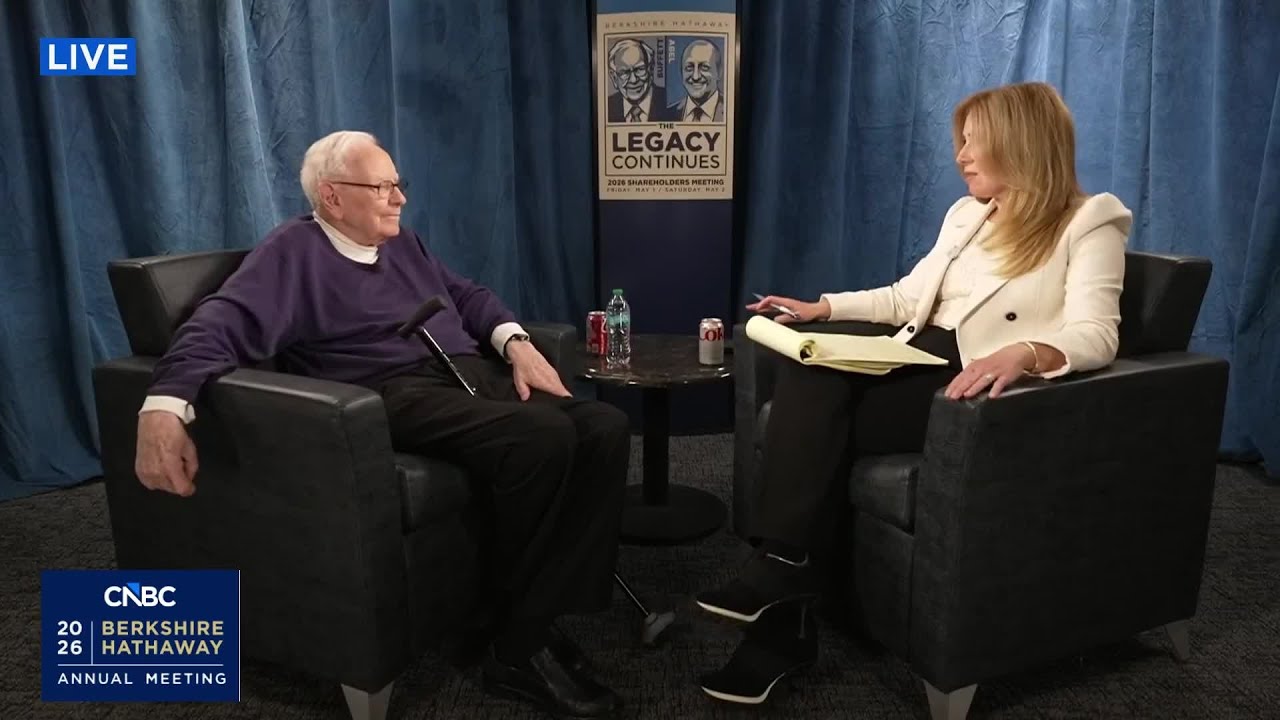
Warren Buffett Quick Facts
| Full Name | Warren Edward Buffett |
|---|---|
| Date of Birth | August 30, 1930 |
| Age | 96 years old (as of 2026) |
| Birthplace | Omaha, Nebraska, USA |
| Nationality | American |
| Profession | Investor, Businessman, Philanthropist |
| Net Worth | $140 Billion (2026) |
| Company | Berkshire Hathaway (Chairman & CEO) |
| Education | University of Nebraska; Columbia Business School (MS) |
| Known For | Value investing, Oracle of Omaha, Berkshire Hathaway |
How Does Warren Buffett Make His Money?
| Income Source | Estimated Amount | Type | Notes |
|---|---|---|---|
| Berkshire Hathaway stock appreciation | $10-15B/year (variable) | Annual (personal) | His ~15% ownership of BRK grows with the company’s book value |
| Berkshire Hathaway salary | $100,000/year | Annual (personal) | Famously modest salary; unchanged for decades |
| Dividends from BRK portfolio | ~$5B+/year | Annual (personal share) | Apple, Coca-Cola, Chevron and other BRK holdings pay billions in dividends to the company |
| Speaking fees & books | Donated to charity | Annual (personal) | Buffett donates essentially all personal income beyond living expenses |
| Berkshire Hathaway market cap | $900B+ (2026) | Cumulative (gross) | BRK-A and BRK-B shares; Buffett holds Class A shares worth ~$140B |
| Estimated Total Net Worth | $140 Billion (2026) — though ~99% is pledged to charity | ||
Early Life: A Business Mind From Birth
Warren Edward Buffett was born on August 30, 1930, in Omaha, Nebraska, the son of Howard Buffett, a stockbroker and later U.S. Congressman, and Leila Stahl Buffett. From childhood, Buffett showed an extraordinary aptitude for numbers and an obsessive interest in business. At age six, he bought six packs of Coca-Cola for 25 cents and sold individual bottles for a nickel — a simple arbitrage that foreshadowed a lifetime of buying low and selling high.
By age 11, he made his first stock purchase: three shares of Cities Service Preferred at $38 each. He sold them at $40 — a modest profit — only to watch the stock soar to $200, teaching him his first lesson in patience. At 13, he filed his first federal income tax return and deducted his bicycle as a business expense (he used it to deliver newspapers on his Washington D.C. route). By the time he enrolled at the University of Nebraska at 16, he had already accumulated $9,800 in savings — equivalent to roughly $130,000 in 2026 dollars.
Buffett was initially rejected by Harvard Business School but gained admission to Columbia Business School after learning that his idol, economist Benjamin Graham, taught there. Graham’s philosophy of buying undervalued companies — “margin of safety” investing — became the intellectual foundation of Buffett’s entire career. After graduating with a master’s degree in 1951, Buffett eventually joined Graham’s firm Graham-Newman Corporation.
Career: Building the Berkshire Empire
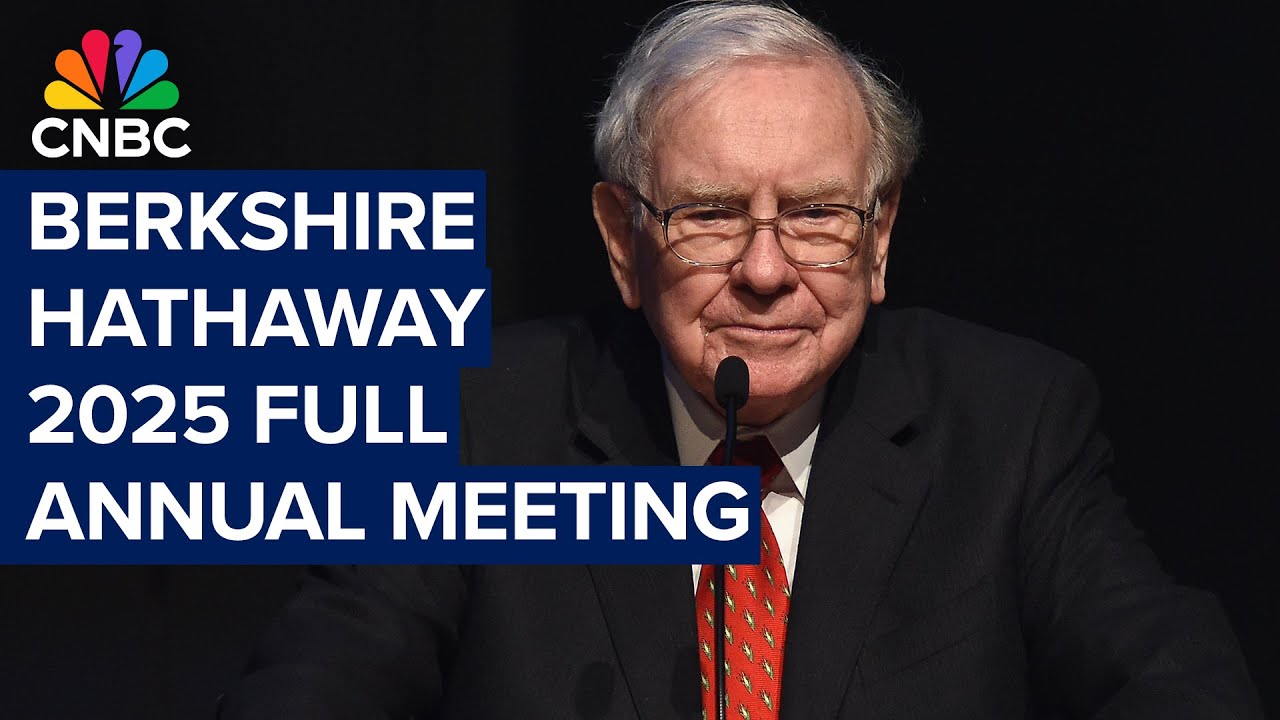
In 1956, at age 25, Buffett returned to Omaha and started Buffett Partnership Ltd with just seven investors contributing $105,000. He invested his own $100. Over the next 13 years, he consistently beat the Dow Jones Industrial Average — sometimes by 30 percentage points — and grew the partnership’s assets to $105 million, earning himself a personal fortune of $25 million. He dissolved the partnership in 1969, deeming the market overvalued.
Through the partnership, Buffett had accumulated a controlling stake in Berkshire Hathaway, a struggling New England textile company. He transformed it into a holding company for insurance and investments. The key insight was using insurance “float” — premiums collected before claims are paid — as virtually free capital to make investments. Acquisitions included GEICO (auto insurance, bought in full 1996), See’s Candies (1972), Dairy Queen (1997), BNSF Railway ($34B, 2010), and Precision Castparts ($37.2B, 2016).
Buffett’s public market investments became equally legendary. Berkshire’s $1.3 billion stake in Coca-Cola (1988) grew to $25+ billion. His $36 billion Apple investment (begun 2016) became Berkshire’s largest holding, at one point worth over $170 billion. His famous “American Express” investment during the 1963 salad oil scandal, his transformation of Washington Post Company, and his opportunistic investments during the 2008 financial crisis (Goldman Sachs, Bank of America, General Electric) cemented his reputation as the world’s greatest capital allocator.
By 2026, Berkshire Hathaway’s market capitalisation exceeds $900 billion, employing over 400,000 people across 60+ subsidiaries. The company’s book value has compounded at approximately 19.8% per year since 1965 — nearly double the S&P 500’s return over the same period.
Personal Life and Philanthropy
Buffett married his first wife, Susan Thompson, in 1952. They had three children: Susan Alice, Howard Graham, and Peter. Though they separated in 1977, they remained married until Susan’s death in 2004. Buffett then married his longtime companion Astrid Menks in 2006. Known for his frugality, Buffett still lives in the same Omaha house he bought for $31,500 in 1958 and has driven modest vehicles throughout his billionaire years.
In 2006, Buffett pledged to give away approximately 99% of his wealth to charity, primarily through the Bill & Melinda Gates Foundation. Over $50 billion has been donated to date, making his the largest philanthropic pledge in history. He also co-founded The Giving Pledge with Bill Gates, encouraging other billionaires to commit the majority of their wealth to charitable causes.
Warren Buffett Net Worth History
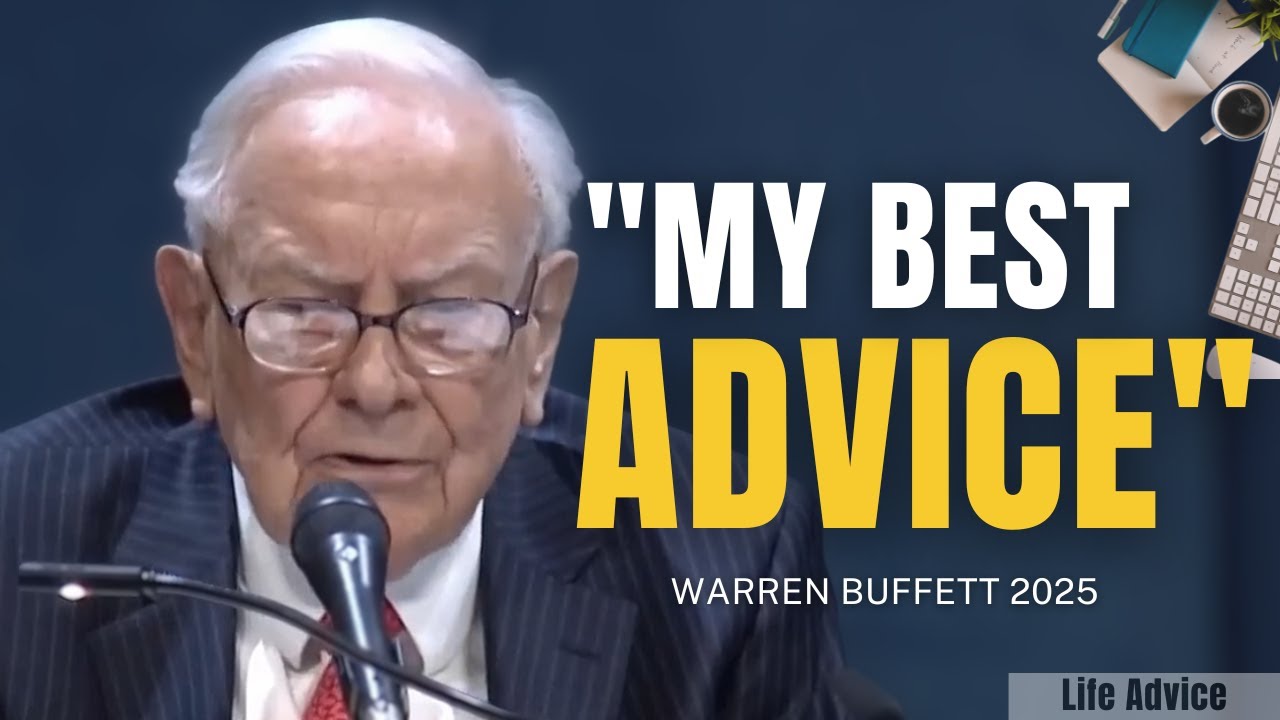
Buffett’s wealth accumulation is itself a lesson in compounding. He reached his first million at 30, his first $10 million at 38, and his first billion at 56. More remarkably, an estimated 95% of his net worth was accumulated after his 65th birthday — the ultimate advertisement for the power of patience and compound interest. By 1990 he was worth $3.8B; by 2000 $35B; by 2010 $47B; by 2020 $73B; and by 2026, despite giving away over $50B to charity, his net worth stands at approximately $140 billion.
Little-Known Facts About Warren Buffett
- He bought his first farm at age 14 with money saved from his paper route.
- He audited Benjamin Graham’s Columbia class before officially enrolling — and got the only A+ Graham ever awarded.
- He once tried to buy Google but didn’t act on it; he later said missing GEICO’s early growth was a bigger mistake than missing Google.
- Buffett eats at McDonald’s for breakfast almost every morning; he reportedly calls ahead to Susie to order based on his mood and the performance of the stock market.
- He gave his first charitable donations as paper route earnings to his church when he was 13.
Frequently Asked Questions
What is Warren Buffett’s net worth in 2026?
Warren Buffett’s net worth is estimated at approximately $140 billion as of 2026, according to Forbes and Bloomberg Billionaires Index. Nearly all of this wealth comes from his approximate 15% ownership stake in Berkshire Hathaway, which has grown into one of the largest companies in the world by market capitalisation. Buffett has pledged to give away approximately 99% of his fortune to charity during his lifetime and after his death.
How did Warren Buffett get rich?
Warren Buffett built his fortune through value investing — buying high-quality businesses at prices below their intrinsic value and holding them for very long periods. He started investing as a child, started his own investment partnership at 25, then used it to take control of Berkshire Hathaway, which he transformed from a failing textile company into a massive conglomerate owning businesses like GEICO, BNSF Railway, See’s Candies, and a massive public stock portfolio including Apple, Coca-Cola and American Express. The key was compounding returns over 70+ years of patient investing.
What companies does Warren Buffett own?
Through Berkshire Hathaway, Buffett owns dozens of companies outright, including GEICO (insurance), BNSF Railway (freight), Berkshire Hathaway Energy, Dairy Queen, See’s Candies, Duracell, Fruit of the Loom, NetJets, Pilot Flying J, and many others. Berkshire also holds major stock positions in publicly traded companies including Apple (its largest holding), Coca-Cola, Bank of America, American Express, Chevron, and Occidental Petroleum.
What is Warren Buffett’s salary?
Warren Buffett’s annual salary from Berkshire Hathaway is just $100,000 per year — famously modest for someone of his net worth. Berkshire also covers his home security and personal expenses, but Buffett is known for living simply in the Omaha house he’s owned since 1958. His real “income” comes from the appreciation of his Berkshire Hathaway shares, not a salary, and he has consistently donated essentially all personal income beyond living expenses to charity.
Is Warren Buffett a trillionaire?
No, Warren Buffett is not a trillionaire as of 2026. His net worth is estimated at approximately $140 billion. While he is consistently ranked among the top five wealthiest people in the world, he has given away well over $50 billion to charity — primarily to the Bill & Melinda Gates Foundation — which has significantly reduced his paper net worth compared to what it would otherwise be. No individual had officially crossed the $1 trillion net worth threshold as of 2026.
How old is Warren Buffett?
Warren Buffett was born on August 30, 1930, making him 95 years old (turning 96 in August 2026). Despite his age, Buffett continues to serve as Chairman and CEO of Berkshire Hathaway, though his designated successor Greg Abel has taken on increasing responsibilities. Buffett has said he intends to work as long as he is capable and enjoys it, and his shareholder letters and annual meetings remain major events in the financial calendar.
Also Read
- Bill Gates Net Worth: The Microsoft Co-Founder’s Fortune
- Elon Musk Net Worth 2026: Tesla, SpaceX and the World’s Richest Man
- Jeff Bezos Net Worth 2026: Amazon’s Founder and His Fortune