


Alan Shearer retired from professional football in 2006 as the Premier League’s all-time top scorer with 260 goals — a record that has stood for over 20 years and shows no sign of being broken. Since retirement he has built a career as one of British television’s most prominent sporting analysts, appearing on BBC’s Match of the Day for nearly two decades. In 2026, his estimated net worth stands at approximately £50 million.

| Full Name | Alan Shearer |
|---|---|
| Date of Birth | August 13, 1970 |
| Place of Birth | Gosforth, Newcastle upon Tyne, England |
| Nationality | British |
| Profession | Professional Footballer (retired 2006), Television Pundit |
| Premier League Goals | 260 (all-time record) |
| Net Worth | ~£50 Million (estimated, 2026) |
| Spouse | Lainya Shearer |
| Honours | OBE (2001), Premier League champion (1994-95) |
Early Life and Background
Alan Shearer was born on August 13, 1970, in Gosforth — a suburb of Newcastle upon Tyne in the northeast of England. He grew up as a passionate Newcastle United supporter, a fact that would later define one of football’s most emotionally significant transfers when he returned to the club of his boyhood dreams for a world-record fee in 1996.
Shearer attended Gosforth Central Middle School and Gosforth High School, where his footballing ability quickly attracted professional attention. He was scouted by Southampton Football Club, who convinced him to move south and join their youth system. The decision proved transformative: Southampton’s coaching staff developed his technical skills and gave him first-team opportunities that accelerated his development far faster than might have happened on Tyneside.
At the age of 17 years and 240 days, Shearer became the youngest player in English top-flight history at the time to score a hat-trick, netting three goals for Southampton against Arsenal in April 1988. It was a debut that announced him to a national audience and immediately identified him as one of the most promising young strikers in the country.
Career Timeline
Southampton (1988-1992): Shearer made his First Division debut for Southampton and scored 23 league goals in 118 appearances before Blackburn Rovers came with an offer that the Saints could not refuse. His arrival at the newly formed Premier League as a Blackburn player would change the competition’s history.

Blackburn Rovers (1992-1996) — The Premier League Title: Shearer joined Blackburn Rovers in July 1992 for a British transfer record of £3.24 million. He quickly established himself as the best striker in the newly formed Premier League, and the 1994-95 season was the defining year. Blackburn, bankrolled by the late Jack Walker, won the Premier League title — their only top-flight championship — with Shearer scoring 34 league goals and winning the Golden Boot. Four seasons at Ewood Park produced 112 goals in 138 league appearances, a strike rate of better than a goal every 1.2 games that was simply extraordinary.
Newcastle United (1996-2006) — Home at Last: In July 1996, Alan Shearer returned to his hometown club for a world-record transfer fee of £15 million — shattering the previous record and creating scenes of celebration in Newcastle that are still remembered vividly. He spent ten seasons at St James’ Park, scoring 206 goals in all competitions — the most by any player in Newcastle’s history. He captained the club, served as its most recognisable ambassador through turbulent ownership periods, and led them to a Champions League campaign in 1997-98 under Kenny Dalglish.
When injuries finally forced his retirement in 2006, the stands at St James’ Park paid tribute to a career that had defined an entire era of English football. The one regret — spoken quietly by Newcastle fans across generations — is that Shearer never won a major trophy while wearing black and white. Despite his personal brilliance and the club’s significant investment through the late 1990s, the title eluded them. But for the city of Newcastle, his loyalty in choosing to come home is valued above any trophy.
Alan Shearer Net Worth and Income Sources
Alan Shearer’s estimated net worth of approximately £50 million in 2026 is built across three distinct phases: peak football earnings from the mid-1990s through 2006, a long post-retirement career as one of British television’s highest-paid sports presenters, and the compounding growth of long-term investments accumulated over nearly 20 years of substantial BBC income.
| Income Source | Estimated Amount | Type | Notes |
|---|---|---|---|
| Football Career Salaries | £15M-£25M | Cumulative | Wages at Southampton (modest), Blackburn (substantial) and Newcastle (reported at £35,000/week rising to an estimated £60,000/week at peak). Values adjusted for 1990s-2006 salary levels. |
| Endorsements and Sponsorships (Career) | £5M-£10M | Cumulative | Boot deals with Umbro and Lonsdale, Lucozade Sport ambassadorship, McDonald’s partnership, and other major brand deals during his playing peak in the 1990s. |
| BBC Match of the Day Salary | £450K-£500K/year | Annual (personal) | His BBC salary has been listed in public pay transparency reports. Nearly two decades of this income represents substantial cumulative earnings. |
| Transfer Bonuses and Signing Fees | £2M-£5M | Cumulative | Loyalty bonuses and signing payments across career moves, particularly at Blackburn and Newcastle. |
| Investments and Business | £15M-£20M | Cumulative | Long-term investment growth and business interests accumulated across nearly 20 years of post-retirement high income. |
| Estimated Net Worth (2026) | ~£50 Million | ||
Net Worth Over Time
Shearer’s wealth has grown across three phases. First, the football earning years from 1988 to 2006, during which his peak wage at Newcastle reached levels that were exceptional for the era. Second, the early post-retirement phase when Match of the Day income was supplemented by endorsements and appearances. Third, the sustained accumulation phase through the 2010s and 2020s, as investment returns and continued BBC income compounded his existing wealth. His disciplined public persona and avoidance of the lifestyle excesses that have diminished many elite footballers’ fortunes have been significant factors in his sustained financial success.
Personal Life
Alan Shearer married his childhood sweetheart Lainya in 1995. The couple have three children — Chloe, Will, and Hollie — and have maintained a deliberately low-profile family life throughout his public career. They remain based in the northeast of England, where Shearer has maintained strong community connections throughout his post-retirement life.
In 2009, Shearer briefly accepted the Newcastle United manager’s job, coming out of retirement from the dug-out to take charge of the struggling club for the final eight games of the 2008-09 season, in an attempt to prevent relegation. Despite the goodwill of the entire city and Shearer’s best efforts, Newcastle were relegated on the final day. He has not returned to management since, choosing to remain in broadcasting.
Shearer has spoken publicly about the long-term effects of heading the ball in football, a practice now associated with elevated risk of neurological conditions for former professional players. He has been among the more prominent former players advocating for greater research and care for former professionals affected by conditions including dementia.
Awards and Recognition
Alan Shearer received an OBE in 2001 in recognition of his services to football. He is a member of both the Premier League Hall of Fame and the English Football Hall of Fame. His 260 Premier League goals remain the all-time record — a benchmark that has stood for 20 years with no current player in realistic striking distance of his total. He was named in the Premier League’s list of the 100 greatest players from the competition’s first 25 years, recognised as one of its defining performers across any era.
Little-Known Facts About Alan Shearer
- Youngest hat-trick scorer: At 17 years and 240 days, Shearer scored a hat-trick against Arsenal for Southampton in April 1988, becoming the youngest player in English top-flight history at the time to achieve the feat. It announced a prodigious talent to the country.
- The Shearer celebration: His famous trademark goal celebration — right arm raised straight into the air — became one of the most recognisable in football history. He reportedly developed it to make himself easier to spot in celebration photographs.
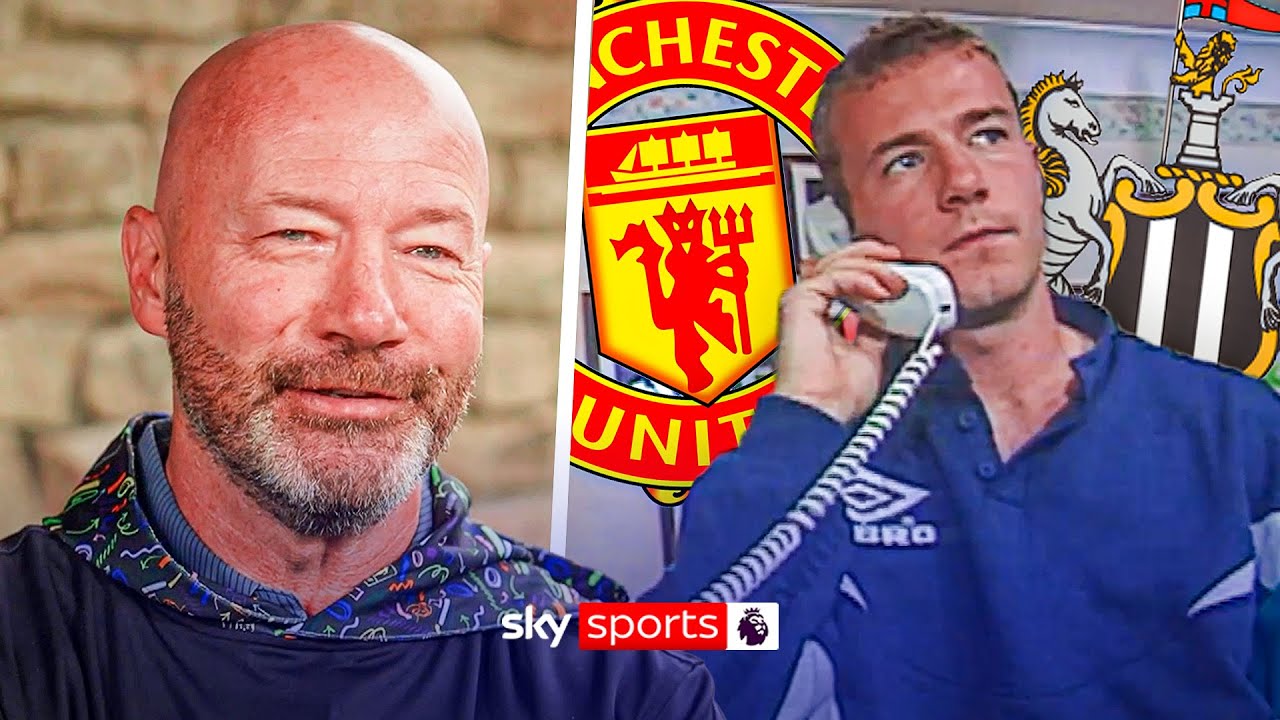
- Turned down Manchester United: At the height of his powers in 1996, Sir Alex Ferguson made significant efforts to bring Shearer to Old Trafford rather than Newcastle. Shearer chose his hometown club instead — a decision that defined his legacy and denied United what might have been their most dominant team of the era.
- Never sent off: Across a 19-year professional career that included thousands of competitive fixtures at the highest level, Shearer was never dismissed from a football match. He received yellow cards but never a red — a remarkable disciplinary record for a physical and combative centre-forward who played in an era of more aggressive defending.
- Record untouched after 20 years: Wayne Rooney’s 208 Premier League goals were the closest any player came to Shearer’s 260 total. The gap of 52 goals is enormous in Premier League terms — suggesting the record may stand for generations.
Frequently Asked Questions
What is Alan Shearer’s net worth in 2026?
Alan Shearer’s net worth in 2026 is estimated at approximately £50 million. His wealth comes from football wages during his career at Southampton, Blackburn Rovers, and Newcastle United through the 1990s and 2000s, substantial endorsement income during his playing peak, and an ongoing BBC Match of the Day salary reported at around £450,000 to £500,000 annually — close to two decades of which have contributed to significant long-term wealth accumulation.
How many Premier League goals did Alan Shearer score?
Alan Shearer scored 260 Premier League goals across his career with Southampton, Blackburn Rovers, and Newcastle United — the highest total in the competition’s history. He retired in 2006 with this record, and no player has come close to matching it in the 20 years since. Wayne Rooney scored 208 Premier League goals — the second-highest total — leaving a gap of 52 goals between the record and its nearest challenger.
Did Alan Shearer win the Premier League?
Yes — Alan Shearer won the Premier League with Blackburn Rovers in the 1994-95 season, scoring 34 league goals as Blackburn edged out Manchester United to the title by a single point. It remains the only major league title of his career. Despite spending ten years at Newcastle United and winning the club’s FA Youth Cup, the league title at St James’ Park eluded him throughout his time there.
Why did Alan Shearer join Newcastle instead of Manchester United?
In 1996, when Shearer left Blackburn Rovers, Manchester United under Sir Alex Ferguson were willing to break the transfer record to sign him. Shearer chose to join his hometown club Newcastle United instead for the same £15 million world-record fee. He has explained the decision as one driven by his connection to the city and the club, and his desire to give Newcastle fans the player they always wanted to see in black and white — rather than purely chasing the best chance of winning trophies.
Is Alan Shearer still on Match of the Day?
Yes, as of 2026, Alan Shearer has been a regular presence on BBC’s Match of the Day for approximately two decades since his retirement in 2006. His BBC salary has been a subject of public interest — listed in BBC pay transparency reports as over £450,000 annually — reflecting his status as one of the most prominent and respected voices in British football broadcasting.
Did Alan Shearer manage a football club?
Alan Shearer managed Newcastle United for the final eight matches of the 2008-09 Premier League season, taking over in a desperate attempt to save the club from relegation. Despite enormous public support and Shearer’s best efforts, Newcastle were relegated on the final day of the season. He has not managed a club since, choosing to continue his broadcasting career rather than return to the dug-out.
What honours did Alan Shearer receive?
Alan Shearer received an OBE (Officer of the Order of the British Empire) in 2001 in recognition of his services to football. He is a member of the Premier League Hall of Fame and the English Football Hall of Fame. During his playing career, he won the Premier League (1994-95 with Blackburn Rovers) and multiple individual awards including the Premier League Golden Boot.