

Alex Higgins was the most charismatic, the most infuriating, and arguably the most gifted snooker player who ever lived. At his peak in the early 1980s, his net worth was estimated at £2-3 million — a considerable fortune in that era. Yet when he died in Belfast on July 24, 2010, aged 61, he had almost nothing. The Hurricane’s story is snooker’s most powerful and heartbreaking tale of wasted genius.
| Full Name | Alexander Gordon Higgins |
|---|---|
| Date of Birth | March 18, 1949 |
| Date of Death | July 24, 2010 (aged 61) |
| Nationality | Northern Irish / British |
| Profession | Professional Snooker Player |
| Peak Net Worth | ~£2-3 Million (early 1980s) |
| Net Worth at Death | Reportedly minimal; died in poverty |
| Known For | Two World Championship titles, “Hurricane” style, the iconic 1982 family moment at the Crucible |
Early Life: Sandy Row to the Crucible
Alexander Gordon Higgins was born on March 18, 1949, in Sandy Row, a working-class loyalist area of Belfast, Northern Ireland. Despite growing up in a community defined by sectarian tension, Higgins transcended politics through sport — he was cheered by Catholics and Protestants alike, and later by audiences across the world who simply couldn’t take their eyes off him.
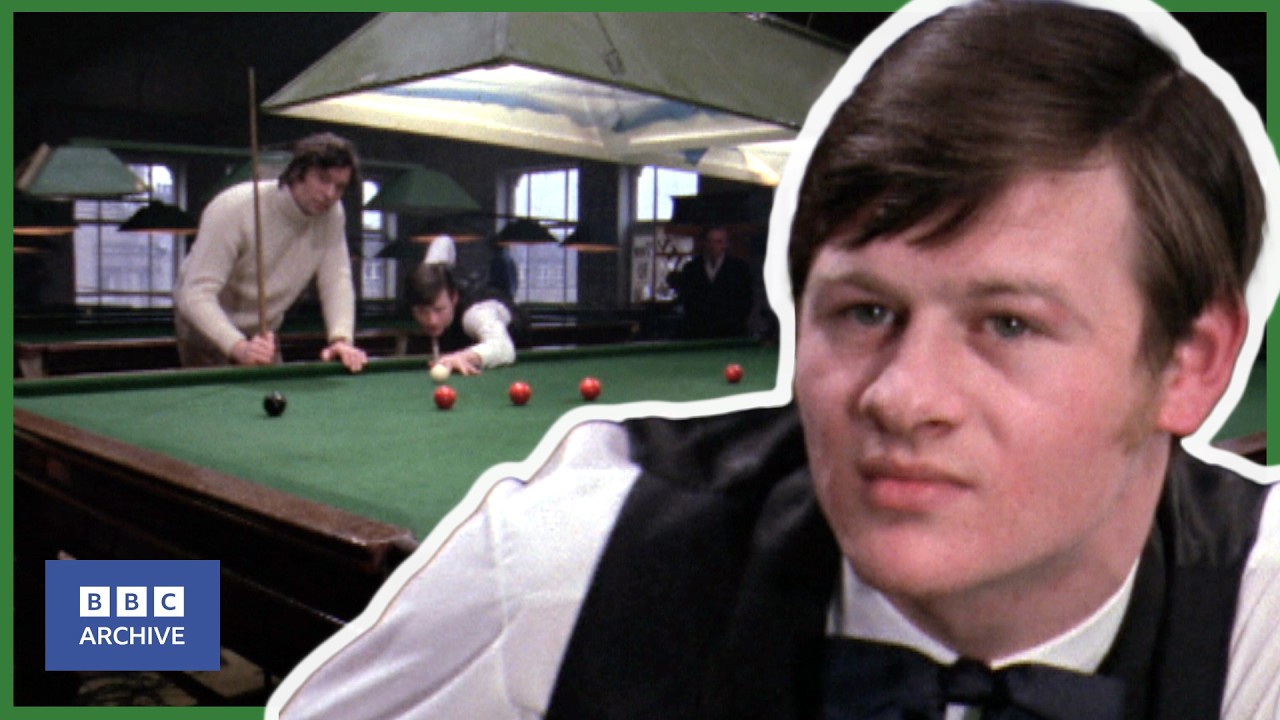
He discovered snooker as a boy at the Jampot club in Belfast and was already beating established players by his early teens. At 14, he left school to become a stable lad in Berkshire, and it was during this period that he honed his game in evenings and weekends. He won the Northern Ireland Amateur Championship in 1968 and turned professional in 1971 at the age of 22.
From the very beginning, Higgins was unlike any professional snooker player the sport had seen. Where others played methodically and carefully, the Hurricane attacked. He prowled around the table, barely waiting for balls to stop rolling before lining up his next shot. His natural genius — combined with an almost reckless aggression — made him electrifying to watch and deeply unpredictable to play against.
Career Timeline: Genius, Controversy, and Two World Titles
The First World Title — The People’s Champion Arrives (1972)
In only his second season as a professional, Alex Higgins won the 1972 World Snooker Championship, defeating John Spencer 37-31. He was 23 years old and had come through qualifying rounds — not invited directly as a seeded player. He became the youngest world champion in history at that point. The snooker world had never seen anything like him, and crowds fell in love immediately.
The 1982 Final and Snooker’s Most Iconic Moment
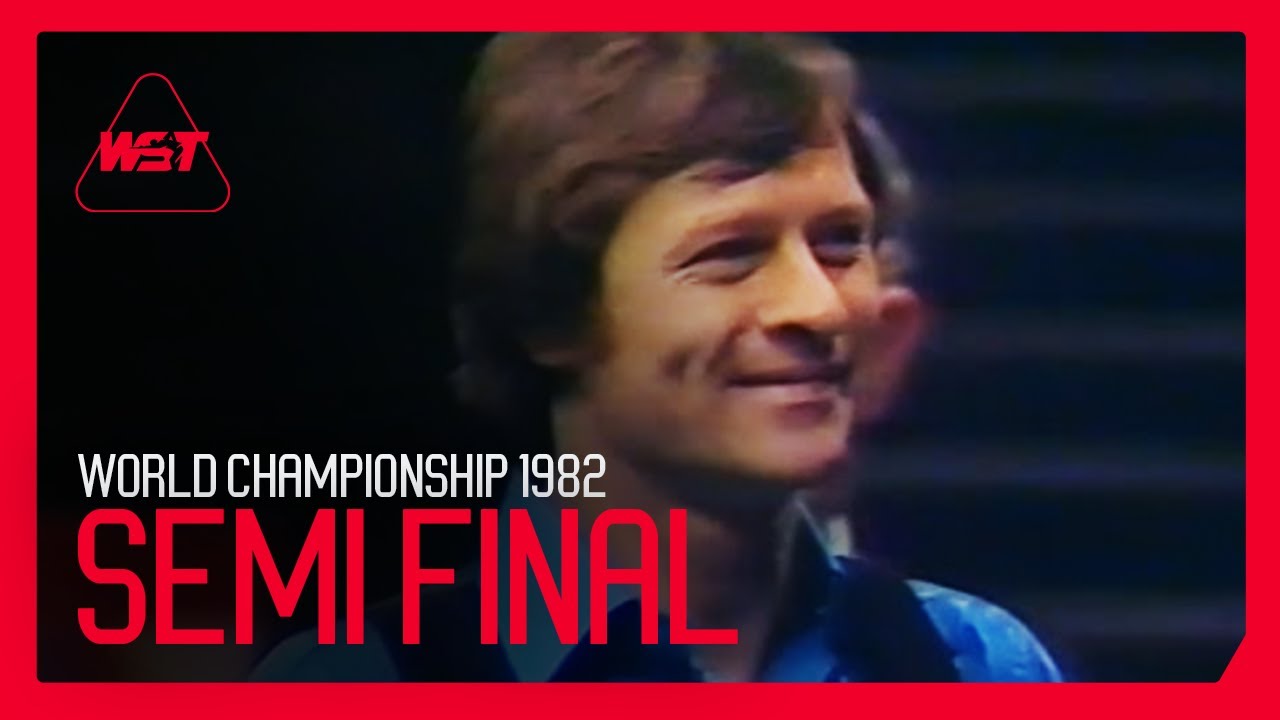
Ten years later, Higgins won his second and final world title — and produced one of the most emotionally charged moments in the history of British sport. Defeating Ray Reardon 18-15 in the 1982 final, the Hurricane beckoned his wife Lynn and baby daughter Lauren down from the spectators’ gallery. The image of him holding his young daughter aloft with that wild, jubilant expression became one of the most reproduced photographs in snooker history. It remains, for many, the defining image of the sport’s golden era.
Between his two world titles, Higgins had numerous run-ins with snooker’s governing bodies. He was fined, suspended, and threatened with bans on multiple occasions for behaviour ranging from assaulting officials to making threats against fellow players. His genius and his chaos were inseparable — the same impulsive energy that made him extraordinary on the table made him impossible to manage off it.
Decline, Controversy, and Final Years
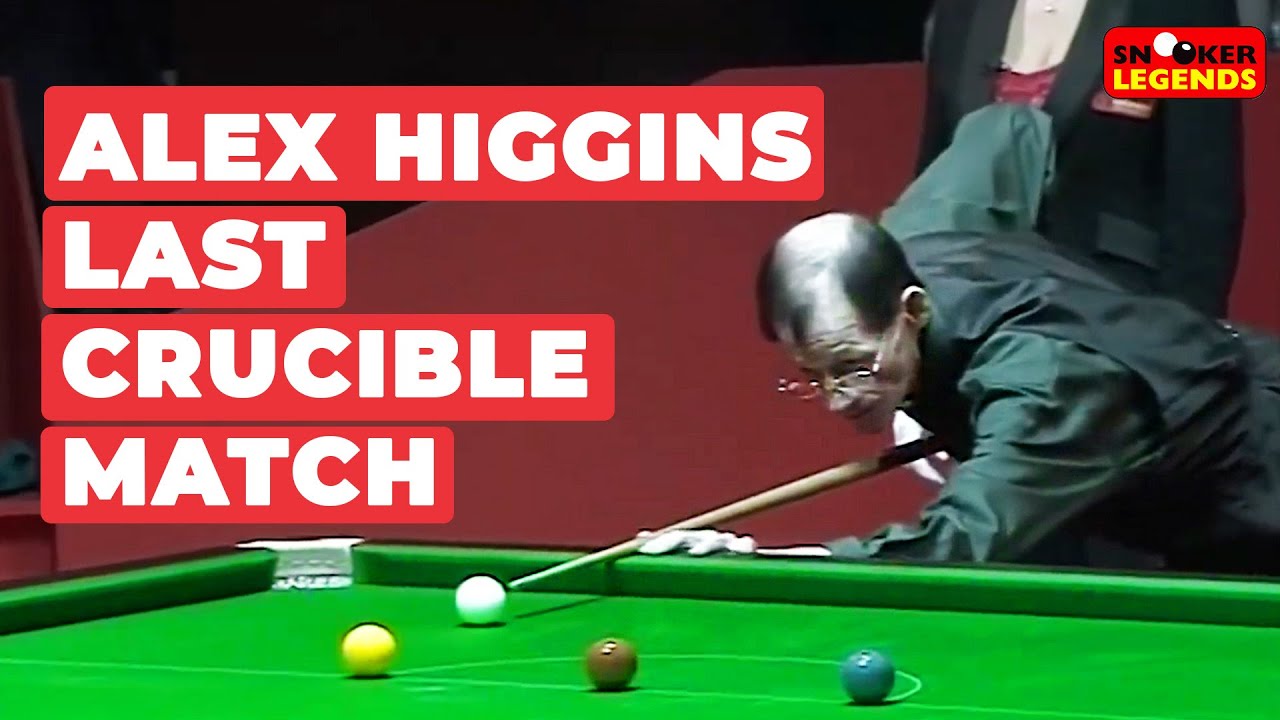
The 1990s brought further controversy and declining form. Higgins was banned from the tour for the 1990-91 season after headbutting a tournament director. His ranking plummeted, his personal life was in turmoil, and the addictions that had always shadowed his career — to alcohol, to gambling — tightened their grip. He and Lynn divorced. His relationship with his daughter became strained.
In the 2000s, Higgins was diagnosed with throat cancer. He fought the illness for years, losing weight dramatically, losing his teeth, and becoming almost unrecognisable from the vibrant champion of his peak. He continued to give interviews, always candid, always complex — sometimes bitter, sometimes at peace. He was found dead in his Belfast flat on July 24, 2010, with very little money to his name. The contrast with his peak earnings was devastating.
Alex Higgins Net Worth: A Cautionary Story
| Income Source | Estimated Amount | Type | Notes |
|---|---|---|---|
| Career Prize Money | £1.5M–£2M (est.) | Cumulative | Professional career 1971–2003; lower per-event prize money in early career |
| Exhibition Matches (peak) | £500K–£1M (est.) | Cumulative | Hugely in demand through 1980s; commanded premium appearance fees |
| Endorsements and Commercial (peak) | £300K–£500K (est.) | Cumulative | Limited by controversial reputation but still commercially significant in 1980s |
| Gambling losses | £1M+ (est.) | Cumulative | Chronic gambling addiction throughout career consumed much of his earnings |
| Net Worth at Death (2010) | Reportedly minimal — multiple accounts confirm he died with very few assets | ||
The Alex Higgins net worth story is not simply a cautionary tale about money — it is about what happens when exceptional talent meets unmanaged addiction and no support structure. During his peak in the 1980s, Higgins was one of the highest-profile sportsmen in Britain. Exhibition fees, television deals, and prize money should have secured him for life. Instead, gambling debts, legal costs, multiple failed business ventures, and the sheer expense of a chaotic personal life stripped his wealth away layer by layer.
By the time of his death, Higgins was reportedly surviving on state benefits and the occasional charity from fellow players and fans. The snooker community had not abandoned him — various players contributed to his welfare in his final years — but the man who had once commanded crowds of thousands died largely alone, in a rented flat in Belfast.
Personal Life
Higgins married Lynn Avison in 1975, and the couple had two children — Lauren and Jordan. The marriage was turbulent and ended in divorce. He had subsequent relationships but struggled to maintain stable personal connections amid his addictions. His children, particularly Lauren, have spoken publicly about the complexity of their relationship with their father — a man capable of great tenderness and devastating self-destruction in equal measure.
Despite everything, Higgins remained deeply loved by the snooker public. Fans sent him money when news of his financial difficulties spread. Players visited him in Belfast. His death prompted an outpouring of tributes that reflected the profound impact he had made on everyone who saw him play at his best.
Legacy and Honours
Alex Higgins won two World Snooker Championships (1972, 1982), the UK Championship (1983), the Masters (1978), and the World Doubles Championship with Jimmy White (1984, 1985). He was inducted into the World Snooker Hall of Fame posthumously. A statue of him was unveiled in Belfast in 2017, recognising his role in bringing snooker to a mass audience during the sport’s golden era. In 2023, the BBC produced a major documentary revisiting his life and legacy.
Little-Known Facts About Alex Higgins
- He won the 1972 World Championship as a qualifier — without being seeded, in only his second professional season.
- His 1982 beckoning of wife Lynn and baby Lauren to the table after winning remains one of the most reproduced images in snooker history.
- He once threatened to have a fellow player shot — a remark that led to one of his most serious bans from the sport.
- Despite chronic illness, financial hardship, and the loss of his teeth to cancer treatment, Higgins gave interviews almost to the end, always candid and without self-pity.
- A bronze statue of him stands in Belfast city centre, alongside one of Van Morrison — fitting company for a man who made an art form of unpredictability.
Alex Higgins FAQ
What was Alex Higgins’s net worth when he died?
Alex Higgins reportedly had very little money when he died in July 2010. Multiple sources confirm he was living on state benefits in a rented flat in Belfast and had few financial assets remaining. Despite earning what would today be equivalent to millions in prize money and exhibition fees during his 1980s peak, addiction, gambling, legal costs, and personal upheaval had consumed his wealth over the preceding decades.
How did Alex Higgins die?
Alex Higgins died on July 24, 2010, in his flat in Sandy Row, Belfast, at the age of 61. He had been suffering from throat cancer for several years and had lost significant weight. He was found dead by friends who became concerned when he failed to respond to contact. The cause of death was confirmed as related to the pneumonia and his weakened condition following years of cancer treatment.
How many World Snooker Championships did Alex Higgins win?
Alex Higgins won two World Snooker Championships — in 1972 (defeating John Spencer 37-31) and in 1982 (defeating Ray Reardon 18-15). The 1972 title made him the youngest world champion at the time. The 1982 title produced the iconic moment of him summoning his wife and baby daughter to the table to celebrate — one of snooker’s most enduring images.
Why was Alex Higgins called the Hurricane?
Alex Higgins earned the nickname “Hurricane Higgins” because of his rapid, attacking playing style. Where most professionals of his era played slowly and methodically, Higgins moved quickly around the table, barely waiting for balls to stop before addressing his next shot. His pace and aggression were electrifying to watch and unnerving for opponents. The nickname was given early in his career and stuck for life.
Where was Alex Higgins from?
Alex Higgins was born in Sandy Row, Belfast, Northern Ireland, on March 18, 1949. He grew up in a working-class Protestant area but transcended sectarian divisions through sport — he was beloved by Northern Irish people of all backgrounds and became one of the most famous people ever to come from the province. He returned to Belfast in his final years and died there in 2010.
Is there a statue of Alex Higgins?
Yes — a bronze statue of Alex Higgins was unveiled in Belfast in 2017, near the Pot Black snooker club on Donegall Square. The statue depicts him at the table, cue in hand, in his characteristic pose. It recognises his enormous contribution to snooker and his status as one of Northern Ireland’s most celebrated sporting figures.
How much prize money did Alex Higgins win?
Higgins competed in an era of modest prize money. His 1972 World Championship title paid just £480; a decade later, his 1982 title was worth £25,000; and his biggest single payday came in March 1990, when he earned £45,000 as a tournament runner-up. Across his whole career he is estimated to have earned — and largely spent — around £3–4 million.