

Bobby George’s net worth is estimated at $4–5 million (approximately £3–4 million) as of 2026, built over five decades as one of professional darts’ most flamboyant and beloved figures. The self-styled “King of Bling” never won a World Championship — a fact he has always acknowledged with characteristic good humour — but he built a fortune through tournament prize money, exhibition income, BBC presenting work, and a personality so outsized that he became the first darts player to transcend the sport and become a genuine entertainment celebrity.
| Full Name | Robert Francis George |
|---|---|
| Date of Birth | December 16, 1945 |
| Age | 80 years old |
| Height | 6’1″ (185 cm) |
| Nationality | English |
| Profession | Former Professional Darts Player, TV Presenter, Entertainer |
| Net Worth | $4–5 Million / £3–4 Million (2026) |
| Nickname | Bobby Dazzler, King of Bling, King of Darts |
| Known For | BDO World Championship finalist (1980, 1994), News of the World champion (twice), candelabra entrance, BBC darts presenter |
How Does Bobby George Make His Money?
| Income Source | Estimated Amount | Type | Notes |
|---|---|---|---|
| Exhibition Darts Circuit | £100K–£200K/year (peak) | Annual (personal) | The “King of Bling” remained the sport’s premier exhibition draw for decades; still active at select events |
| Tournament Prize Money (career) | £500K–£1M (cumulative) | Cumulative | News of the World Darts Championship (×2), BDO World Championship finalist (×2), major circuit winnings |
| BBC Presenting Work | £80K–£150K/year (peak) | Annual (personal) | BBC darts co-presenter and promoter from 1998; key face of BBC darts coverage |
| Celebrity Appearances & Cameos | £50K–£100K/year | Annual (personal) | Pantomime, TV cameos, Cameo video platform, corporate events |
| Property & Investments | £1M+ (asset) | Cumulative | Long-term property holdings; his large house in Essex became famous in its own right |
| Estimated Total Net Worth | $4–5 Million / £3–4 Million (2026) | ||
Early Life and Unlikely Path to Darts
Robert Francis George was born on December 16, 1945, in Barking, Essex. Like many working-class men of his generation, his early life was defined by manual labour rather than sport. He took up darts extraordinarily late — not until the age of 30 — and yet within a remarkably short period had progressed from his local pub circuit to the highest level of professional competition. His rapid rise was a testament to his natural talent and the particular nature of darts as a sport where raw throwing ability and mental composure can be developed quickly through dedicated practice.
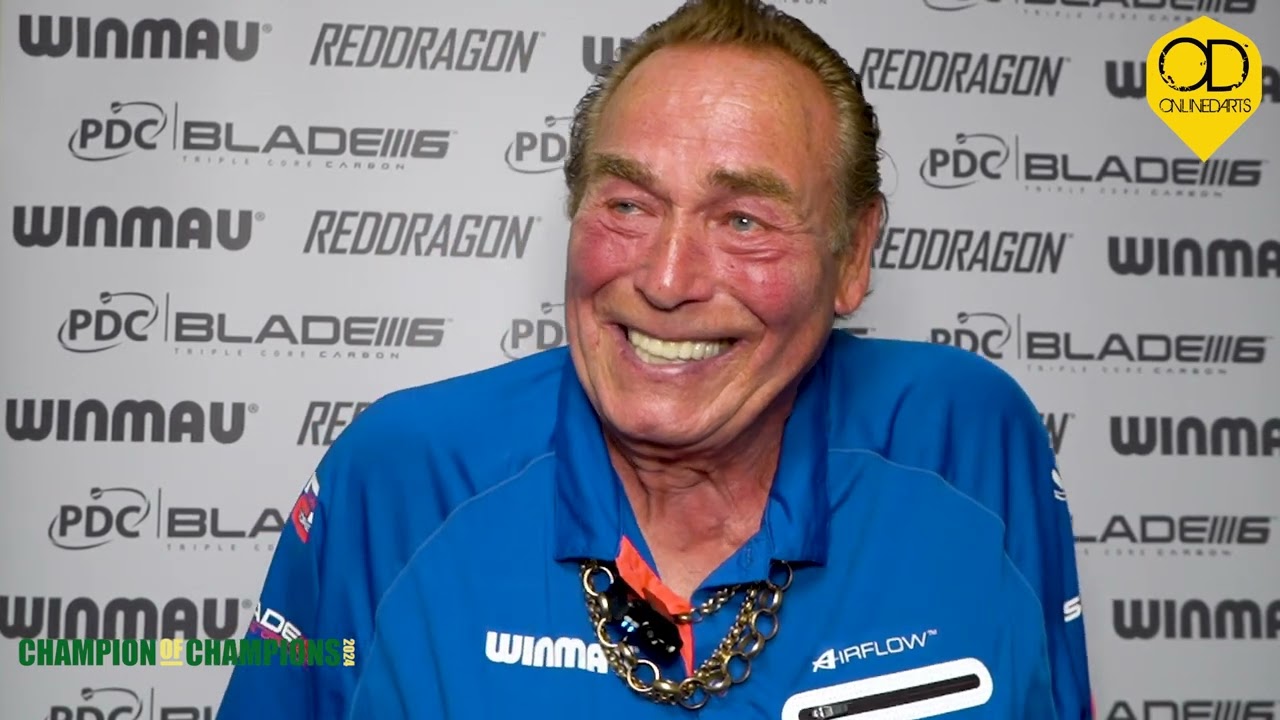
George’s background as a builder and self-made man in the East End tradition was central to his public identity. He was never a polished professional in the mould of later champions. He was, unmistakably, a man of the people — rough around the edges, direct in speech, and possessed of a generous, ebullient personality that translated perfectly to television. His wife Marie and his family have remained central to his life and have frequently appeared in the human-interest content that has kept him in the public eye long after his competitive peak.
The Darts Career: A Legend Without a World Title
Bobby George’s competitive record is paradoxical: he is one of the most famous names in darts history without ever having won the BDO World Championship. He reached the final in 1980 — at his very first World Championship appearance, losing to Eric Bristow — and again in 1994, where he was beaten by John Part. Two World Championship final appearances bookended a career spanning 14 years at the sport’s highest level, which by any objective measure is a remarkable achievement.
His tournament victories include two News of the World Darts Championships, which in their era were among the most prestigious events in the sport. He also won multiple other major BDO events throughout the 1980s and 1990s, accumulating prize money that, while modest by modern PDC standards, was significant in the BDO era. The PDC’s decision to offer far higher prize money from the mid-1990s was something George missed out on, having built his career in the BDO structure, but his exhibition circuit more than compensated financially.
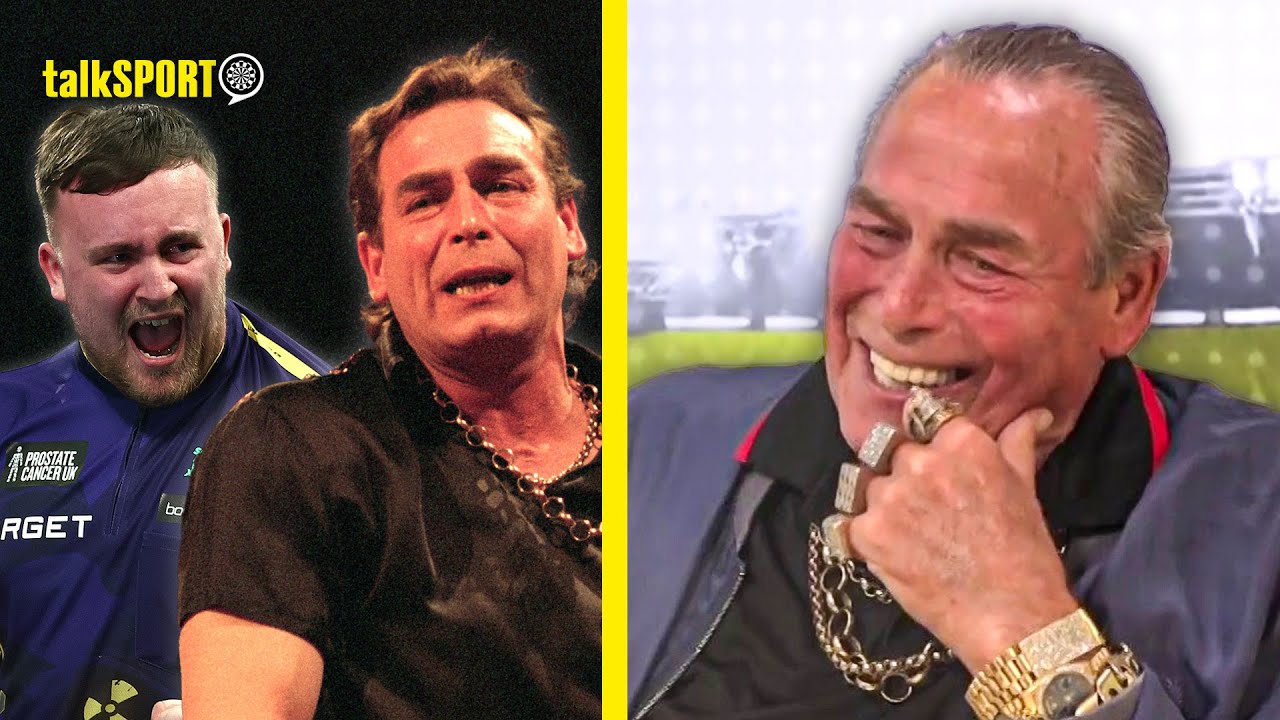
What George lacked in a World Championship medal he more than made up for in entertainment value. His walk-on — entering the Lakeside arena in a crown and cape, carrying a lit candelabra to the strains of Queen’s “We Are the Champions” — became arguably the most theatrical entrance in darts history, predating the elaborate walk-ons that are now standard in the modern PDC game. He was, in the truest sense, the architect of darts as entertainment spectacle rather than merely competitive sport.
Broadcasting Career and Post-Playing Life
Since 1998, George has served as a BBC co-presenter and promoter of darts, using his profile and expertise to help grow the BBC’s coverage of the sport. His broadcasting work has been a consistent income stream in the years since his competitive career wound down, and his natural television personality — warm, funny, occasionally outrageous — makes him a genuinely compelling presence on screen.
His celebrity has extended far beyond the darts world. He has made cameo appearances in television programmes, participated in charity events, and maintains an active presence via the Cameo platform where fans can purchase personalised video messages from him. His nicknames — “Bobby Dazzler,” “King of Bling,” and “King of Darts” — have become so associated with his identity that they function almost as separate brands. He remains one of the few darts players of any era who could genuinely be described as famous beyond the sport’s dedicated fanbase.
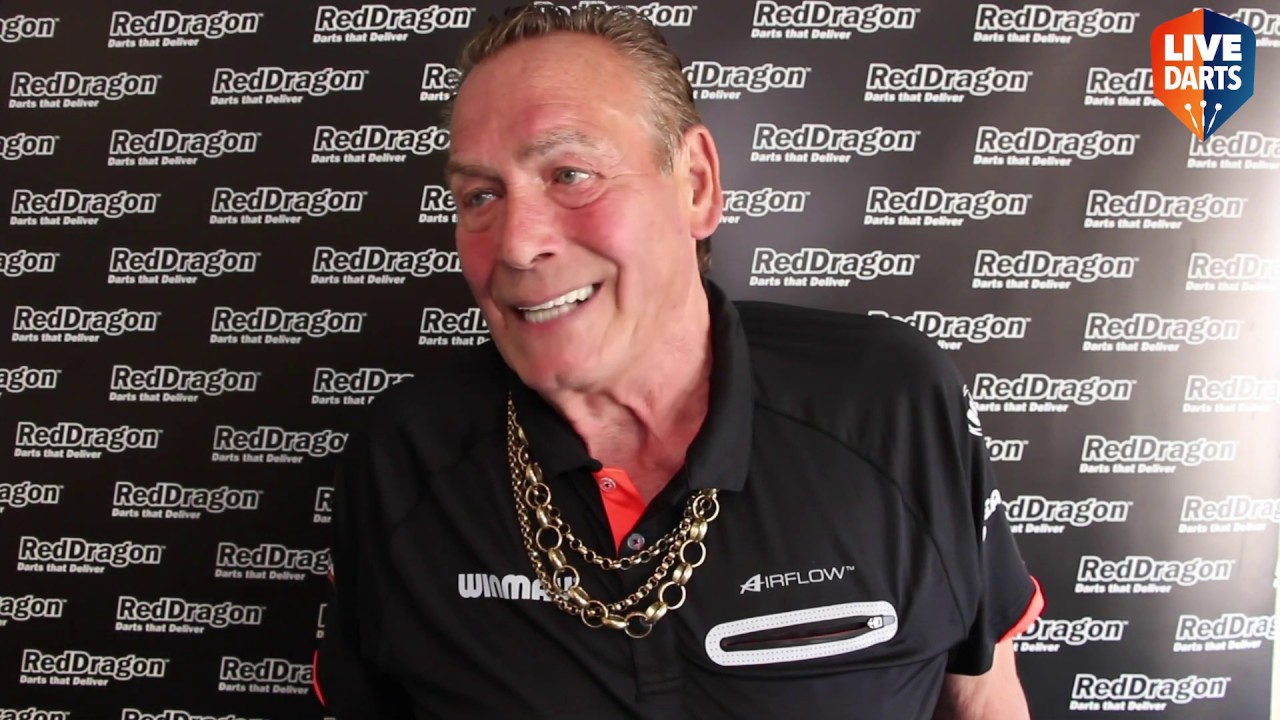
In 2026, George continues to be celebrated as a legend of the golden BDO era, particularly as the sport reflects on how players like him, Eric Bristow, and Jocky Wilson established the cultural foundations on which the modern PDC game’s enormous commercial success has been built. His appearances at major exhibitions still draw enthusiastic crowds, particularly from fans of a certain generation for whom George’s era represents the sport at its most charismatic and accessible.
Little-Known Facts
- Bobby George didn’t take up darts until he was 30 years old — and reached the World Championship final in his very first attempt, at age 34.
- His famous candelabra walk-on routine predated modern PDC theatrical entrances by more than a decade, establishing the template that players like Peter “The Snakebite” Wright and Fallon Sherrock would later develop.
- He built much of his wealth through exhibition darts rather than tournament prize money — he was described as “the first multimillionaire in darts” by industry insiders.
- George’s large home in Essex became something of a darts landmark, with fans and journalists frequently referencing it as evidence of how prosperous darts could be for its top players.
- He has spoken candidly about choosing exhibition work over the tougher competitive circuit because the financial rewards were more reliable — a strategically shrewd decision that proved prescient.
What is Bobby George’s net worth in 2026?
Bobby George’s net worth is estimated at approximately $4–5 million (£3–4 million) as of 2026. His wealth was built primarily through the exhibition darts circuit, where he was one of the sport’s biggest draws for decades, combined with tournament prize money, BBC presenting fees, and various celebrity income streams. He has been credited as the first darts player to achieve genuine millionaire status.
Did Bobby George ever win a World Championship?
Bobby George never won the BDO World Darts Championship, despite reaching the final twice — in 1980 (losing to Eric Bristow) and 1994 (losing to John Part). This remains one of darts’ most discussed “nearly” stories. However, he did win the prestigious News of the World Darts Championship twice, and his competitive record across a 14-year professional career at the highest level is genuinely distinguished, regardless of the missing world title.
Why is Bobby George called Bobby Dazzler?
Bobby George earned the nickname “Bobby Dazzler” — and later “King of Bling” — from his spectacularly theatrical walk-on routine, in which he would enter the playing arena wearing a jewel-encrusted crown and velvet cape, carrying a lit candelabra, to the accompaniment of Queen’s “We Are the Champions.” The glittering costume and dramatic entrance were unlike anything darts had seen, making him immediately recognisable and earning him a devoted following that transcended the sport’s typical audience.
What did Bobby George do for the BBC?
Bobby George has been a BBC co-presenter and promoter of darts since 1998, working with the corporation on their coverage of BDO darts tournaments including the World Championships at Lakeside. His role combined expert commentary and colour with his unique ability to make darts accessible and entertaining to a mainstream television audience. He remained a prominent figure in BBC darts broadcasting until the BDO’s coverage arrangements changed in later years.
Is Bobby George still active in darts in 2026?
While Bobby George is now 80 years old and well past his competitive prime, he remains an active and enthusiastic ambassador for the sport. He continues to appear at selected exhibitions and events, maintains a presence on social media and the Cameo platform, and gives interviews reflecting on his career and the modern game. His recent YouTube appearances discussing the rise of Luke Littler and the evolution of darts have attracted significant viewership from fans of both the old and new eras of the sport.
Where did Bobby George grow up?
Bobby George was born and raised in Barking, Essex — East London’s working-class heartland. His background as a builder from the East End tradition shaped both his personality and his appeal: he was always authentically working-class in a sport that prided itself on being accessible to ordinary people. His Essex connections remained important throughout his career, and his home in Essex became well known to fans as a symbol of darts success.
More Darts Net Worth Profiles
See how Bobby George’s fortune compares with other darts stars: Michael van Gerwen, Phil Taylor, Glen Durrant, Luke Humphries, Rod Harrington, Jocky Wilson. For the full ranking, browse our richest darts players guide.