

He played in an all-white suit, made his first century break at age 12, and produced one of the most celebrated moments in snooker history with a perfect 147 maximum break on live television in 1984. Kirk Stevens was Canadian snooker’s greatest export — a glamorous, pin-up figure whose talent was as dazzling as it was ultimately unfulfilled. Kirk Stevens’ net worth is estimated at $1.5 million USD (approximately £1.2M) in 2026, the modest legacy of a career that promised so much more before cocaine addiction stripped him of his best years.
| Full Name | Kirk Stevens |
|---|---|
| Date of Birth | August 17, 1958 |
| Age | 67 years old (2026) |
| Nationality | Canadian |
| Profession | Former Professional Snooker Player |
| Net Worth | $1.5 Million USD / ~£1.2M (2026) |
| Peak Ranking | World #4 |
| Known For | First Masters 147 break (1984); all-white suit; cocaine addiction battle |
Frequently Asked Questions About Kirk Stevens
What is Kirk Stevens’ net worth in 2026?
Kirk Stevens’ net worth is estimated at approximately $1.5 million USD (around £1.2 million) in 2026. His wealth was built during his professional snooker career from 1978 to 1993, during which he reached a peak world ranking of #4 and earned significant prize money. However, his earnings were considerably diminished compared to what they might have been — his cocaine addiction in the mid-1980s derailed what could have been a world championship-level career.
What is Kirk Stevens famous for in snooker?
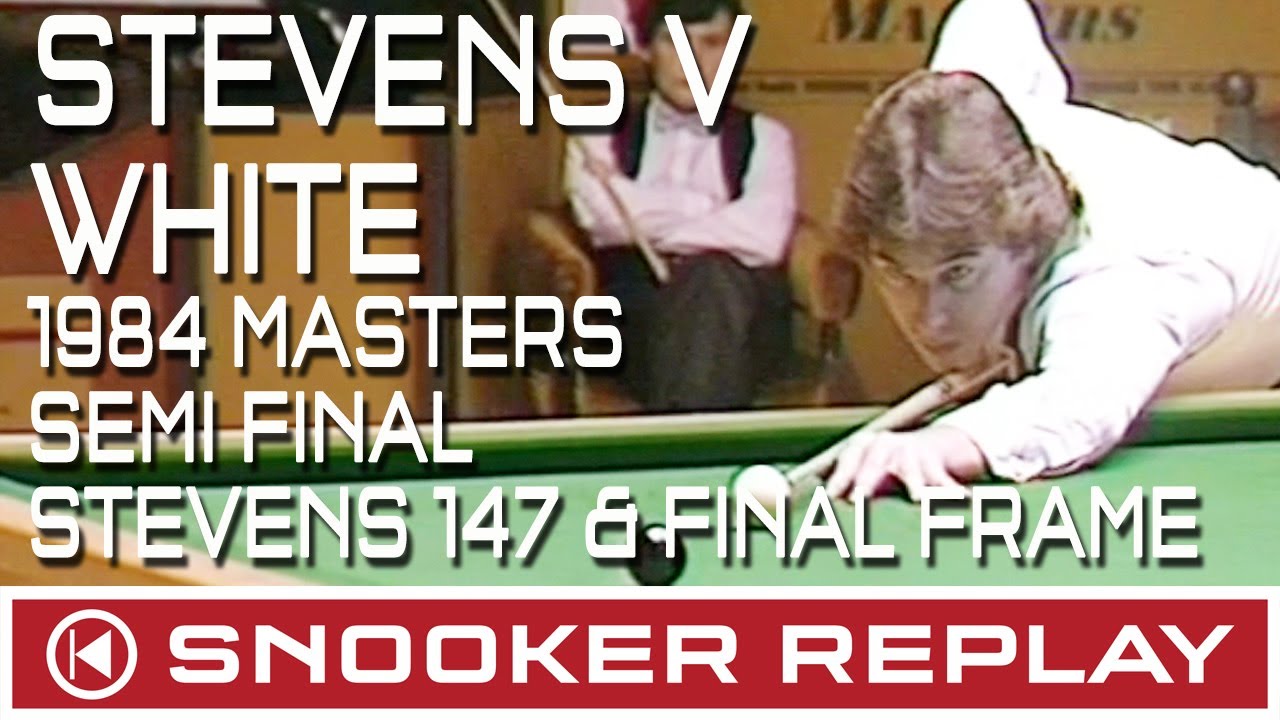
Kirk Stevens is most famous for making the first-ever maximum 147 break at the Benson & Hedges Masters in January 1984, against Jimmy White. It was only the second televised 147 in professional snooker history at the time. He is also famous for his distinctive all-white suit, which he wore at major tournaments and which made him one of the sport’s most visually distinctive figures. His dashing looks and stylish appearance made him something of a pin-up during snooker’s 1980s television boom.
Why did Kirk Stevens’ snooker career decline?
Kirk Stevens’ career declined sharply after he publicly admitted to cocaine addiction in the mid-1980s. Although he underwent treatment and continued to play professionally until 1993, he never recaptured his peak form. The addiction had devastating consequences for his consistency and focus. He dropped out of the world top 16 in the 1986–87 season and his ranking continued to fall as the disease took hold. It remains one of snooker’s great “what might have been” stories — Stevens at his best was capable of beating anyone.
How good was Kirk Stevens at his peak?
At his peak, Kirk Stevens reached a world ranking of #4 and was widely considered one of the most naturally gifted players in the world. He reached the semi-finals of the World Snooker Championship twice — in 1980 (at just 21 years old) and again in 1984 — and was a regular presence in the latter stages of major tournaments. His free-flowing attacking style and ability to produce stunning breaks made him a crowd favourite. Many in the sport believed he had the talent to win multiple world titles had addiction not intervened.
What is Kirk Stevens doing now in 2026?
Kirk Stevens returned to Canada after retiring from the professional world circuit in 1993 and has lived there since. He became a car salesman after retirement, a significant departure from the glamour of professional snooker. He continued playing in Canadian amateur competitions, winning the Canadian Amateur Championship in 1997, 1998, 2000, 2002, and 2008. He has made occasional appearances at snooker events and remains fondly remembered in the sport for his 147 break and his impact during snooker’s golden television era.
Did Kirk Stevens ever win the World Snooker Championship?
No — despite his extraordinary talent, Kirk Stevens never won the World Snooker Championship. He reached the semi-finals twice (1980 and 1984) but was unable to advance further on either occasion. His career coincided with the dominant era of Steve Davis and the emergence of Stephen Hendry, and his addiction problems during the years when he might have made his strongest challenge robbed him of his best opportunities.
The 147 That Changed Everything
On January 28, 1984, at the Alexandra Palace in London, Kirk Stevens sat down at the snooker table in the semi-final of the Benson & Hedges Masters and played what remains one of the most celebrated frames in the sport’s history. Potting all 15 reds with 15 blacks, then all six colours in sequence, he compiled a perfect 147 maximum break — the first ever made in the Masters tournament. His opponent was Jimmy White, and the frame was being broadcast live on BBC television.
The achievement was monumental. Maximum breaks were exceptionally rare in 1984 — Cliff Thorburn had made the only previous maximum at the Crucible in 1983, and even that had never been seen in a prestigious invitational event like the Masters. Stevens received £10,000 for the achievement, a princely sum at the time. It earned him snooker’s highest accolade, universal acclaim, and a permanent place in the sport’s history. He was 25 years old and appeared to have a limitless future.
The Fall: Cocaine Addiction and Career Decline
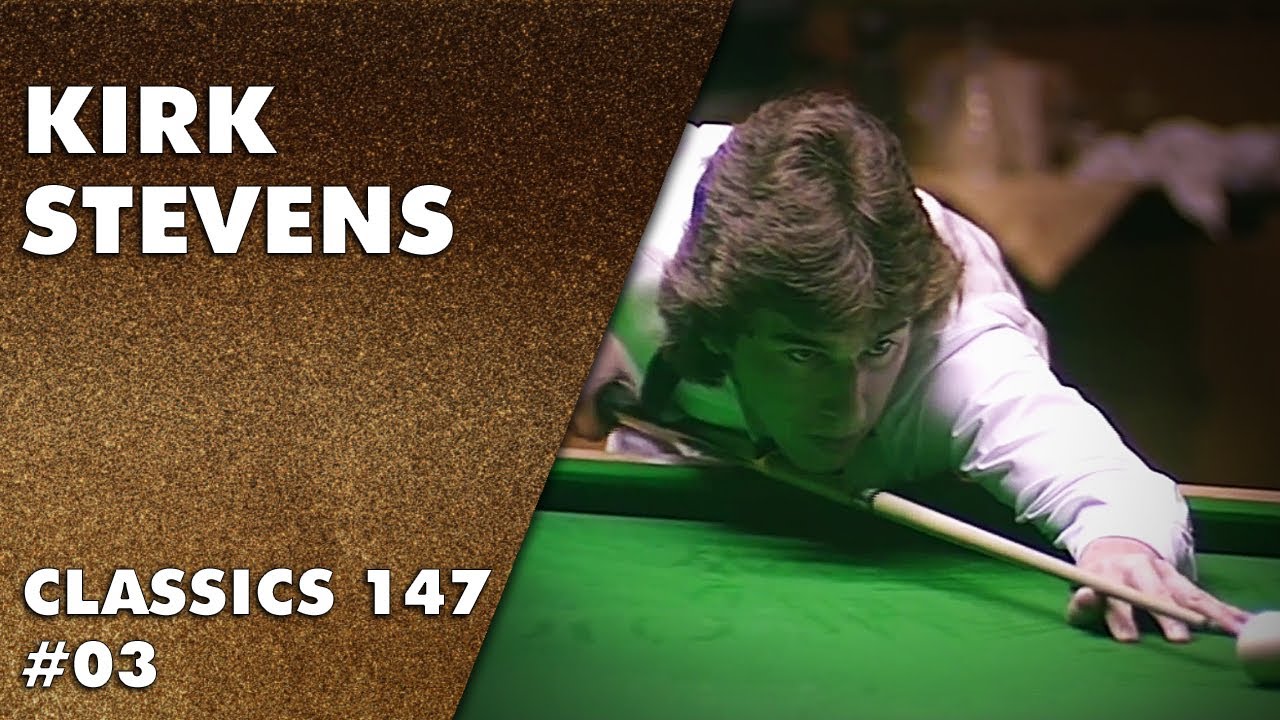
Within two years of his Masters maximum, the cracks were showing. Kirk Stevens had developed a cocaine addiction that was increasingly affecting his professional life. In 1986, comments emerged publicly about his situation, and Stevens eventually made the brave decision to admit to his addiction openly — a rare move in the relatively buttoned-up world of professional snooker in the 1980s. He sought treatment and did attempt to rebuild his career, but the damage was done.
He dropped out of the world’s top 16 in the 1986–87 season and never returned. His ranking continued to decline throughout the late 1980s and early 1990s as he struggled to maintain the form that had made him one of the sport’s elite. He finally left the professional world circuit in 1993 and returned to Canada. In his own words, he did not watch a single snooker match for two years after returning home. The game he had loved so deeply had become associated with some of the worst years of his life.
Kirk Stevens’ Net Worth and Career Earnings
| Income Source | Estimated Amount | Type | Notes |
|---|---|---|---|
| Tournament Prize Money (career) | $600K–900K USD | Cumulative | 15-year professional career; significant earnings in 1980–1985 peak years |
| 147 Maximum Break Bonus | £10,000 | One-time (personal) | Prize for first-ever Masters maximum break, 1984 |
| Exhibitions & Appearances | $100K–200K USD | Cumulative | Popular exhibition player during snooker’s 1980s TV boom |
| Canadian Amateur Competitions | Minimal | Cumulative | Five Canadian Amateur Championship titles post-retirement |
| Post-career Employment | Ongoing salary | Annual (personal) | Car sales work in Canada since mid-1990s |
| Estimated Net Worth 2026 | $1.5 Million USD / ~£1.2M | ||
Life After Snooker: Back to Canada
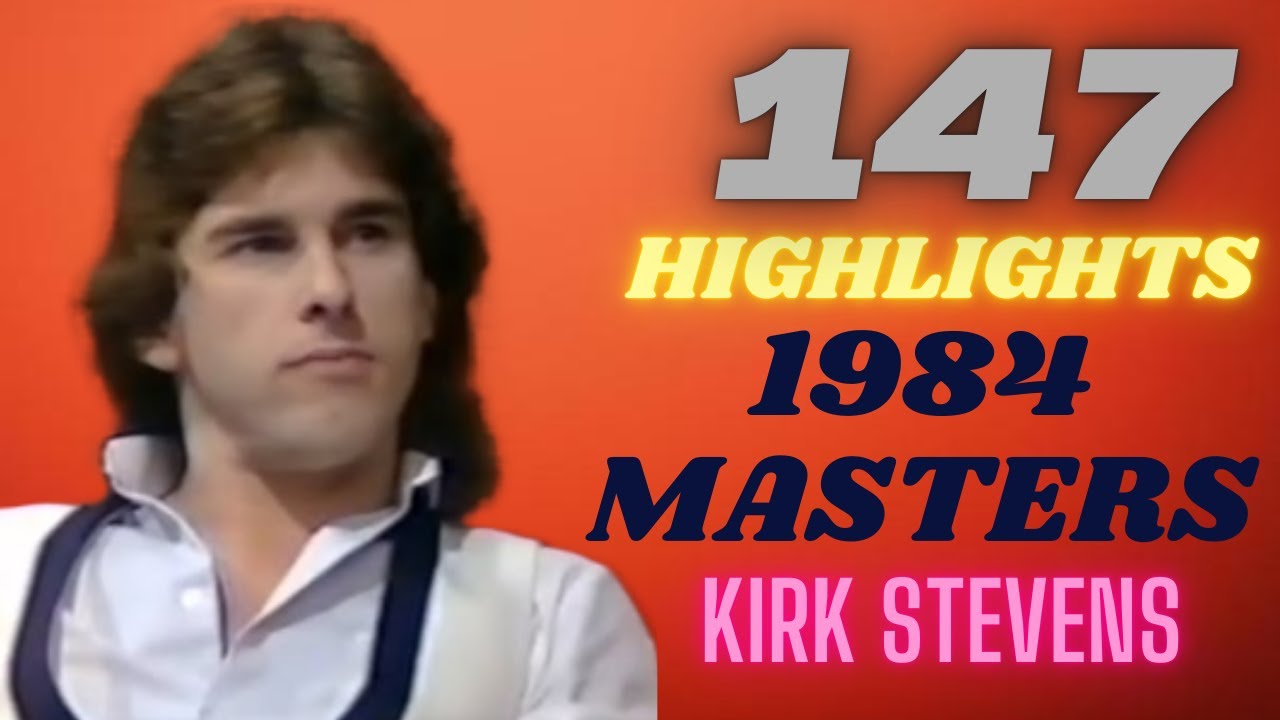
Kirk Stevens returned to his homeland after leaving the professional circuit and rebuilt his life away from the spotlight. He overcame his addiction issues and found stability in Canada, working in car sales — a far cry from the BBC cameras and packed arenas of his playing days. He demonstrated his love for snooker still burned by returning to competition at the amateur level, winning the Canadian Amateur Championship five times across 11 years (1997, 1998, 2000, 2002, 2008). He is remembered in Canada as the country’s greatest snooker player and a pioneer who brought the sport international attention during its golden era.
Kirk Stevens’ Legacy in Canadian Snooker
Kirk Stevens remains the most celebrated Canadian snooker player of all time and a key figure in the sport’s international expansion during the 1980s. Before Stevens, professional snooker was overwhelmingly a British sport. His success — and that of compatriot Cliff Thorburn, the 1980 World Champion — proved that players from outside the United Kingdom could compete at the very highest level. His story inspired a generation of Canadian snooker players and established the country as a credible force in the global game. Stevens’ journey from Toronto to the Crucible and back again is one of sport’s most compelling tales of talent, excess, resilience, and ultimately, redemption through the sheer love of a game he could never fully leave behind.
5 Little-Known Facts About Kirk Stevens
- He made his first century break at age 12. Few professional players can claim such precocious talent — Stevens was clearly extraordinary from childhood.
- He turned professional at just 20 years old and reached the World Championship semi-finals the very next year, aged 21.
- His all-white suit became iconic. No other snooker player dressed like Kirk Stevens — his rock-star image made him stand out in a sport not known for fashion.
- He described his 147 shot by shot to David Icke in a famous interview, providing a unique insider perspective on how it felt to make a perfect maximum break under live television conditions.
- He won the Canadian Amateur Championship five times after retirement — proof that even after the cocaine years, his talent for the game never truly deserted him.
More Snooker Net Worth Profiles
See how Kirk Stevens’s fortune compares with other snooker stars: Terry Griffiths, Ray Reardon, Jimmy White, Steve Davis, Stephen Hendry, Neil Robertson. For the full ranking, browse our richest snooker players guide.
Also Read:
- Cliff Thorburn Net Worth 2026: The Grinder’s $3M Fortune as Canada’s First World Snooker Champion
- Jimmy White Net Worth 2026: The Whirlwind’s £6.7M Life After Six World Final Heartbreaks
- Alex Higgins Net Worth 2026: The Tragic Rise and Fall of Snooker’s Hurricane