

Steve Wright was one of Britain’s best-loved radio presenters — a BBC institution who gave 40 years to the airwaves before his sudden death on 12 February 2024, aged 69. His estimated net worth at the time of his passing was $6 million (approximately £4.8 million), built across four decades of Radio 1 and Radio 2 presenting, including the iconic Steve Wright in the Afternoon — the most successful afternoon radio show in British broadcasting history. This is a tribute to his life, career, and remarkable legacy.
| Full Name | Stephen Wright |
|---|---|
| Date of Birth | August 26, 1954 |
| Date of Death | February 12, 2024 (aged 69) |
| Cause of Death | Acute peritonitis and perforated gastric peptic ulcer |
| Nationality | British |
| Profession | Radio Presenter, Television Host |
| Net Worth (at time of death) | $6 Million / ~£4.8 Million (2024) |
| Known For | Steve Wright in the Afternoon (Radio 1 and Radio 2), Sunday Love Songs |
Steve Wright Net Worth: Where the Money Came From
| Income Source | Estimated Amount | Type | Notes |
|---|---|---|---|
| BBC Radio 2 Salary (peak) | £465K–£469K/year | Annual (personal) | 2018/19 BBC Annual Report; fifth highest-paid BBC presenter at peak |
| BBC Radio 1 Career (1980–1995) | Estimated £3M+ | Cumulative | 15 years presenting flagship afternoon slot during Radio 1’s golden era |
| BBC Radio 2 Career (1999–2022) | Estimated £8M+ | Cumulative | 23 years presenting Steve Wright in the Afternoon on Radio 2 |
| Television Work | £200K–£500K | Cumulative | Various TV presenting roles including Top of the Pops, Saturday Superstore |
| Sunday Love Songs | Included in BBC salary | Annual (personal) | Ran continuously until his death — a UK radio institution |
| Estimated Net Worth at Death | $6 Million / ~£4.8 Million (2024) | ||

Early Life and Radio Career Beginnings
Stephen Wright was born on 26 August 1954 in Greenwich, south-east London. He grew up with a passion for American pop culture and radio, which shaped his broadcasting style from the outset. After working at various smaller UK radio stations in the late 1970s, he joined BBC Radio 1 in 1980 — initially as a mid-morning presenter before taking over the coveted afternoon slot in 1981. Steve Wright in the Afternoon on Radio 1 became an immediate phenomenon.
What made Steve Wright in the Afternoon unique was its format: the “zoo radio” style imported from American broadcasting. Rather than a solo presenter talking over music, Wright assembled a team of sidekicks, characters, and comedy contributors — the “posse” — who created an ensemble atmosphere that felt unlike anything else on British radio. Bits like “Mr Angry,” the “Factoids” segments, and the regular celebrity phone-ins gave the show a personality that transcended the individual songs it played. At its peak in the mid-1980s, Steve Wright in the Afternoon was pulling audiences of over 10 million listeners — a figure that would be considered extraordinary even today.
BBC Radio 2 and Sunday Love Songs
After leaving Radio 1’s afternoon slot in 1995, Wright continued at the BBC in various capacities before joining Radio 2 in 1999, where he effectively relaunched his show for a slightly older audience. Steve Wright in the Afternoon on Radio 2 ran for 23 years — from 1999 to September 2022 — before the BBC controversially moved him to a reduced schedule of late-night programmes. The decision to end his daily afternoon slot was met with widespread criticism from fans and media commentators who felt the BBC had treated a national institution poorly.
His Sunday Love Songs programme — a show dedicated to romantic dedications and classic love songs — ran continuously for decades and became a Radio 2 institution in its own right. It continued until his death and remains one of the most beloved radio formats in British broadcasting history. Wright’s BBC salary peaked at around £465,000–£469,000 in 2018/19, making him one of the corporation’s top earners at the time, though he saw pay reductions in subsequent years as the BBC sought to reduce its top salaries.
Death and Legacy
Steve Wright died at his home in Marylebone, London on 12 February 2024, aged 69. The cause of death was confirmed as acute peritonitis and a perforated gastric peptic ulcer. It was later reported that he had undergone heart bypass surgery in 2022, though this had not been publicly known at the time. His death came just months after he had been awarded an MBE in the 2024 New Year Honours for services to radio.
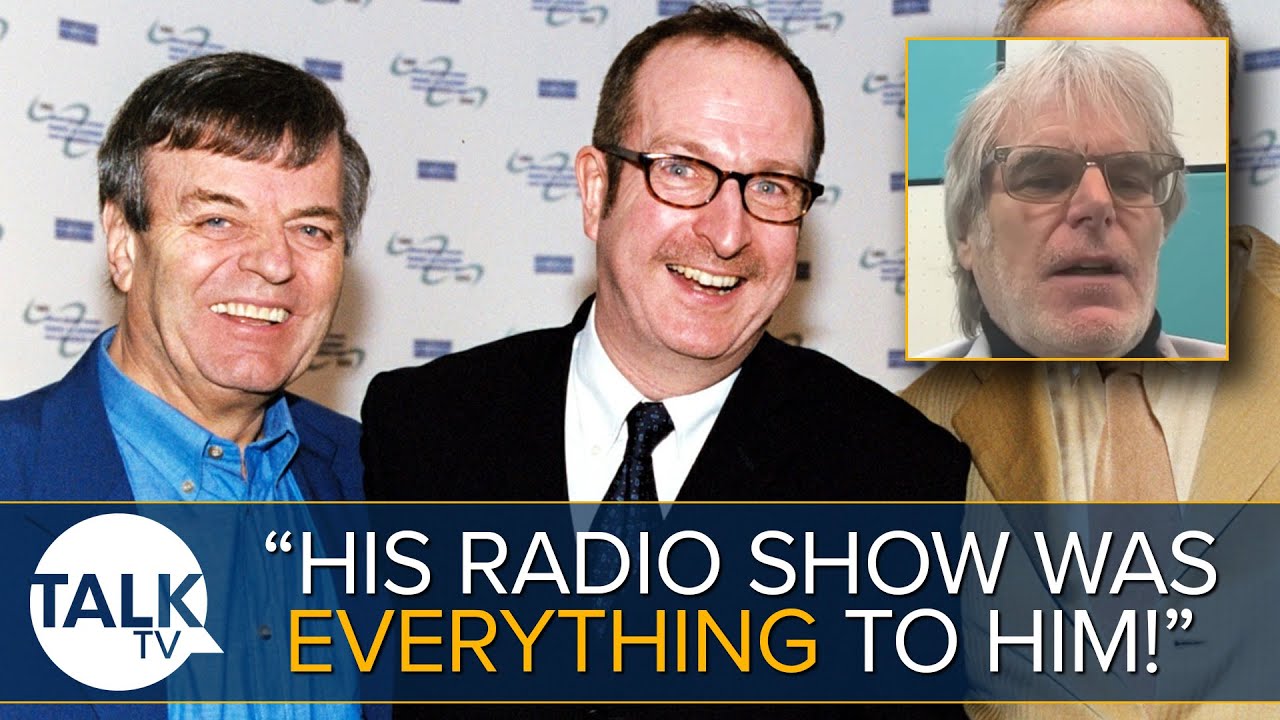
The tributes that followed his death were extraordinary in their unanimity. BBC Director General Tim Davie called Wright “a truly wonderful broadcaster and an ultimate professional.” Fellow Radio 2 presenters, musicians, comedians, and listeners united in mourning a figure who had soundtracked millions of British lives across four decades. He made charitable provisions in his will for Cancer Research UK and the British Heart Foundation, a final act of generosity consistent with a career spent connecting with his audience on a deeply personal level.
Little-Known Facts About Steve Wright
- He was awarded an MBE in the 2024 New Year Honours for services to radio — just weeks before his death.
- At its peak in the 1980s, Steve Wright in the Afternoon on Radio 1 attracted over 10 million listeners per day.
- He is credited with bringing “zoo radio” — the American ensemble style of broadcasting — to UK radio.
- He underwent heart bypass surgery in 2022, though this was not publicly disclosed until after his death in February 2024.
- In his will, he left donations to Cancer Research UK (£15,000) and the British Heart Foundation (£10,000), reflecting causes close to his heart.
Frequently Asked Questions About Steve Wright
What was Steve Wright’s net worth when he died?
Steve Wright’s net worth at the time of his death in February 2024 is estimated at approximately $6 million (around £4.8 million). His wealth was accumulated over 40 years of BBC presenting, including a peak salary of £465,000–£469,000 per year in 2018/19 at Radio 2. His net worth is considered modest relative to his career longevity due to the BBC’s public sector pay structures and limited equity-building opportunities in broadcasting.
How did Steve Wright die?
Steve Wright died on 12 February 2024, aged 69, at his home in Marylebone, London. The cause of death was confirmed as acute peritonitis caused by a perforated gastric peptic ulcer. It was later revealed that he had also undergone heart bypass surgery in 2022. His death was sudden and shocked the British broadcasting world, which had known him as a seemingly indestructible fixture of Radio 1 and Radio 2 for over four decades.
How long did Steve Wright present his afternoon show?
Steve Wright presented Steve Wright in the Afternoon on BBC Radio 1 from 1981 to 1993, and then on BBC Radio 2 from 1999 to September 2022 — a combined run of approximately 35 years. Including his earlier Radio 1 work and his Sunday Love Songs programme, he gave over 40 years of continuous service to the BBC, making him one of its longest-serving and most beloved presenters.
What was Steve Wright’s Sunday Love Songs?
Sunday Love Songs was a BBC Radio 2 programme presented by Steve Wright every Sunday morning. The show featured romantic song dedications from listeners to their loved ones, accompanied by Wright’s warm commentary and carefully curated love song selections. It became one of the most iconic programme formats in British radio history and ran continuously for decades until Wright’s death in February 2024.
Was Steve Wright married?
Steve Wright was intensely private about his personal life throughout his career. He was previously married and had two children, but he rarely discussed his family in interviews, preferring to keep his personal and professional lives strictly separate. His discretion about his private life was in notable contrast to his outgoing and ebullient on-air persona.
Also Read:
- Zoe Ball Net Worth: Radio 2’s Historic Breakfast Queen
- Greg James Net Worth: Radio 1’s Breakfast King
- Lorraine Kelly Net Worth: 40 Years of British Morning TV
Steve Wright’s Enduring Radio Legacy
Two years after his passing, Steve Wright’s influence on British radio culture is still clearly visible. The zoo radio format he pioneered — ensemble cast, irreverent sidekicks, comedy inserts between music sets — can be heard in dozens of shows across UK commercial and BBC radio today. Presenters who grew up listening to him in the 1980s now sit behind microphones of their own, and many have cited Wright as a formative influence. He showed that an afternoon radio show could be event programming rather than background noise, and that the presenter’s personality was as important as the playlist.
The public’s response to his death in February 2024 underscored the depth of affection he had built across four decades. Unlike television stars whose fame can fade between projects, Wright’s consistent daily presence on Radio 2 meant that millions of people had effectively spent hundreds of hours in his company every year for decades. That kind of intimacy is unique to radio, and it explains why the loss of a radio presenter — even one who had stepped back from a daily show — can feel so personal. Steve Wright understood the peculiar power of that intimacy better than almost anyone in British broadcasting history.