

He walked into the Crucible Theatre in 1979 as a qualifier — a postman from Llanelli who had only turned professional the year before. He walked out as World Snooker Champion. Terry Griffiths’ victory at the 1979 World Snooker Championship remains one of the greatest fairy tales in the sport’s history, and the foundation of a career that brought him the sport’s Triple Crown, made him one of its most beloved ambassadors, and established a coaching legacy that shaped champions for a generation. Griffiths’ net worth was estimated at £2 million at the time of his death in December 2024, aged 77, following a prolonged illness related to dementia.
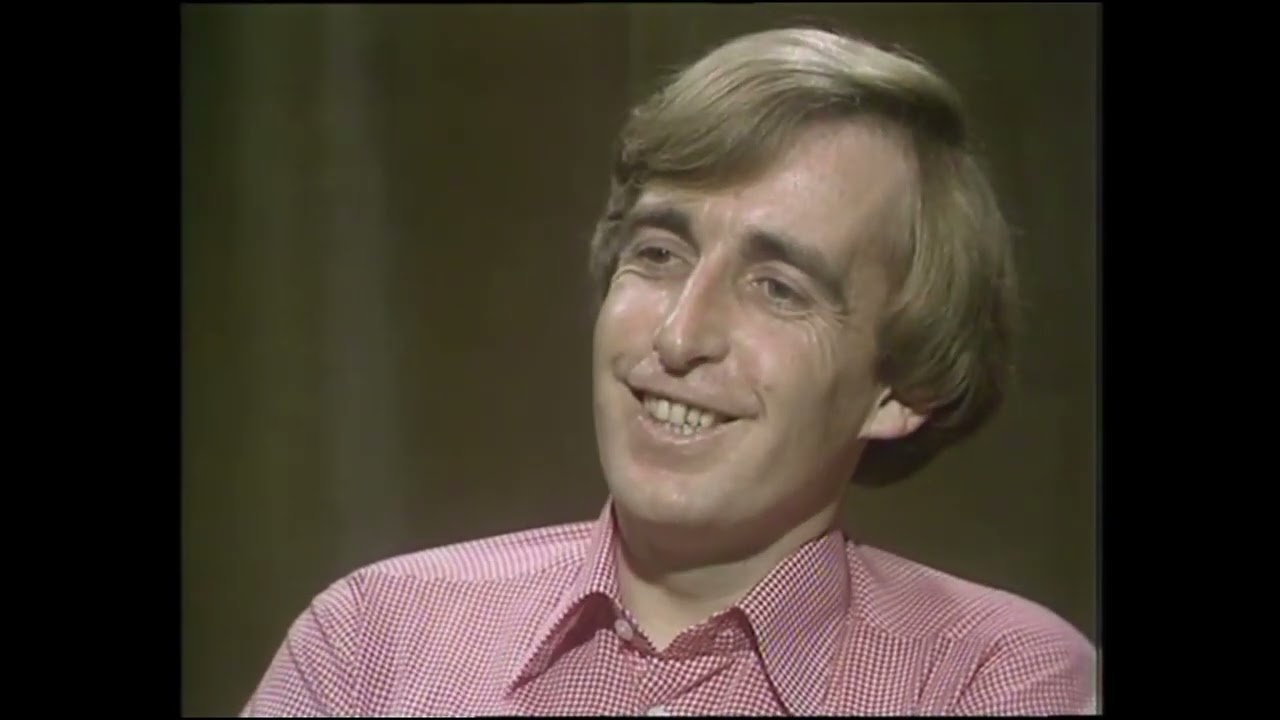
| Full Name | Terry Griffiths |
|---|---|
| Date of Birth | October 16, 1947 |
| Date of Death | December 2024, aged 77 |
| Nationality | Welsh / British |
| Profession | Professional Snooker Player, Coach |
| Net Worth (at time of death) | £2 Million (est.) |
| World Championships | 1 (1979) |
| Other Major Titles | Masters 1980, UK Championship 1982 (Triple Crown) |
| Known For | Winning the 1979 World Championship as a qualifier; coaching Stephen Hendry and Ding Junhui |
Early Life: From the Steel Town to the Snooker Hall
Terry Griffiths was born on October 16, 1947, in Llanelli, a steelworks town in South Wales. Like many working-class Welsh boys of his era, Griffiths spent his early years finding his way through a series of manual jobs — he worked as a postman, a bus conductor, and even an insurance agent before snooker claimed him fully. His introduction to the game came through the local snooker halls that were a fixture of Welsh community life, and he took to it with a quiet, methodical intensity that would later define his playing style.
Griffiths won the English Amateur Championship in 1977 and 1978, and the World Amateur Championship in 1978. These achievements finally persuaded him to take the plunge and turn professional — at the remarkably late age of 30. Where Ray Reardon had been a police officer, Griffiths was a postman who became world champion. It was a story that Wales took enormous pride in. His amateur success had not attracted the attention of major sponsors, and he funded much of his early professional career himself — a financial pressure that made his rapid rise all the more extraordinary.
Career Timeline: The 1979 Miracle and a Decade at the Top
Griffiths turned professional in 1978 and made his World Championship debut the very next year — as a qualifier, which meant winning several qualifying rounds before even reaching the Crucible Theatre in Sheffield. Most qualifiers are eliminated in the first round. Griffiths kept winning. He defeated Dennis Taylor in the semi-finals and then faced the highly fancied Eddie Charlton in the last four before meeting Dennis Taylor in the final. His 24–16 victory made him only the second qualifier in history to win the World Championship, after Alex Higgins in 1972.
His post-match interview became iconic. When presenter David Vine told Griffiths he was the new world champion, Griffiths replied with characteristic Welsh understatement: “I’m in the final now, you know.” It was a remark that captured both his humble nature and the slight bewilderment of a man still processing what he had achieved. The BBC broadcast it repeatedly. Wales loved him for it.
The years that followed cemented his reputation as one of the elite players of the early 1980s. He won the Masters in 1980 — one of snooker’s most prestigious invitational tournaments — and the UK Championship in 1982, completing snooker’s Triple Crown. He reached a second World Championship final in 1988, losing 11–18 to Steve Davis at a point when Davis was at the height of his powers. His peak world ranking of third placed him firmly among the sport’s elite, competing alongside Reardon, Higgins, Davis, and a young Stephen Hendry.
Griffiths remained on the professional tour until 1997, winning further ranking events and maintaining a consistent presence in the game’s upper echelons throughout the decade. What he may have lacked in the raw brilliance of some contemporaries, he compensated for with a meticulous approach to the game and an ability to perform under pressure that served him well throughout his 19-year professional career.

Net Worth and Income Sources
Terry Griffiths built his estimated £2 million fortune through prize money, coaching, commentating, and corporate engagements across nearly five decades in the sport. His career prize money was considerable but modest by modern standards — the 1979 World Championship winner’s cheque was around £10,000. His real earnings came from a combination of tournament winnings across a long career, the coaching work that became his primary activity after retirement, and media commitments that kept him in the public eye.
| Income Source | Estimated Amount | Type | Notes |
|---|---|---|---|
| World Championship & Major Titles | £300K–500K | Cumulative | 1979 World title, Masters 1980, UK Championship 1982 plus other ranking events |
| Career Tournament Winnings | £500K–800K | Cumulative | 19-year professional career 1978–1997; consistent top-16 finishes |
| Coaching & WPBSA Director Role | £200K–400K | Cumulative | Director of Coaching for the WPBSA; worked with Hendry, Williams, Ding Junhui |
| TV Commentary & Media | £100K–200K | Cumulative | BBC and Eurosport punditry throughout retirement years |
| Exhibition Matches & Appearances | £100K–200K | Cumulative | Popular exhibition circuit presence during snooker’s 1980s TV boom |
| Estimated Net Worth at Death | £2 Million (2024) | ||
Coaching Legacy: Shaping Champions Across Three Generations
After retiring from competition in 1997, Griffiths became one of snooker’s most respected coaches. His role as Director of Coaching for the World Professional Billiards and Snooker Association gave him a platform to influence the entire professional game. Among the players he worked with were Stephen Hendry — seven-time world champion — Mark Williams, and Ding Junhui, the Chinese star who became the sport’s biggest Asian name. That three players of that calibre trusted Griffiths’ coaching is testament to his depth of understanding of the technical and psychological demands of elite snooker.
His coaching philosophy emphasised simplicity, solid technique, and mental resilience — qualities that had served him well throughout his own playing career. He was known for his patience with younger players and his ability to translate complex technical concepts into accessible, practical advice. His influence on Welsh snooker in particular was enormous; the pathway he helped create for Welsh professionals after his retirement left a lasting mark on the sport in his homeland.
Personal Life and Final Years
Griffiths was married to Anne Griffiths, and the couple had children together. He was known as a devoted family man whose warmth and humility never diminished despite the fame that the 1979 World Championship brought him. He remained based in Wales throughout his life, never losing his connection to Llanelli or the community that had shaped him. In his later years, Griffiths suffered from dementia — a diagnosis that gradually reduced his public presence before his death in December 2024, aged 77. The snooker world mourned his passing deeply, with tributes pouring in from players, commentators, and fans across the globe.
Net Worth Over Time
Griffiths’ financial trajectory tracked the broader changes in professional snooker over five decades. In the 1970s, even world champions earned modest prize money by modern standards. The 1980s brought television money and sponsorship that increased earnings significantly. His 19-year playing career, followed by two decades of coaching and commentary, gave him a long runway of income generation. The £2 million estate he left reflects a comfortable but not extravagant retirement — the financial legacy of a man who gave everything to the sport and built security through hard work rather than headline-grabbing windfalls.

5 Little-Known Facts About Terry Griffiths
- He was a postman before turning professional. Griffiths worked as a postman and bus conductor in Llanelli before committing fully to snooker — making his world championship triumph even more remarkable.
- His iconic post-match quote became legendary. When told he was world champion, Griffiths replied “I’m in the final now, you know” — a line so perfectly delivered that the BBC replayed it for years.
- He completed snooker’s Triple Crown. Winning the World Championship (1979), Masters (1980), and UK Championship (1982) put him in elite company — only a handful of players have achieved all three major titles.
- He coached Stephen Hendry to seven world titles. Griffiths’ technical coaching contributed to Hendry’s dominance in the 1990s, cementing his reputation as one of snooker’s finest mentors.
- He turned professional at 30 — and was world champion within a year. No qualifying player before or since has achieved the world title quite so quickly after turning professional.
Frequently Asked Questions
What was Terry Griffiths’ net worth?
Terry Griffiths’ net worth was estimated at approximately £2 million at the time of his death in December 2024. This was accumulated through career prize money across a 19-year professional career, coaching work with elite players including Stephen Hendry and Ding Junhui, television commentary, and corporate appearances over nearly five decades in snooker.
How did Terry Griffiths win the 1979 World Snooker Championship?
Terry Griffiths entered the 1979 World Championship as a qualifier — the lowest seeded entrants who must win preliminary rounds before reaching the Crucible. He defeated Alex Higgins in the quarter-finals, Eddie Charlton in the semi-finals, and Dennis Taylor 24–16 in the final. It made him only the second qualifier ever to win the World Championship, after Higgins in 1972. He had been professional for less than a year.
Did Terry Griffiths complete snooker’s Triple Crown?
Yes. Terry Griffiths won the World Championship in 1979, the Masters in 1980, and the UK Championship in 1982, completing snooker’s Triple Crown — the three most prestigious titles in the sport. Only a handful of players have ever achieved this feat, placing Griffiths among snooker’s elite despite winning just one world title.
What did Terry Griffiths do after retiring from snooker?
After retiring from professional competition in 1997, Terry Griffiths became one of snooker’s most respected coaches. He served as Director of Coaching for the WPBSA and worked with leading players including Stephen Hendry, Mark Williams, and Ding Junhui. He also worked as a television commentator and pundit, remaining a familiar and well-loved presence in the sport until his health declined in later years.
When did Terry Griffiths die?
Terry Griffiths died in December 2024 at the age of 77, following a prolonged illness related to dementia. His death prompted widespread tributes from across the snooker world and beyond. He is remembered as one of the sport’s most beloved figures — a humble, warm-hearted man whose 1979 World Championship victory remains one of snooker’s most memorable fairy tales.
Who did Terry Griffiths coach in snooker?
Terry Griffiths coached several elite players during his post-playing career, most notably Stephen Hendry (seven-time world champion), Mark Williams (three-time world champion), and Ding Junhui (the leading Chinese professional). His work as Director of Coaching for the WPBSA also gave him a broader influence across the professional game, helping to develop young talent and standardise coaching methodology in the sport.
More Snooker Net Worth Profiles
See how Terry Griffiths’s fortune compares with other snooker stars: Ray Reardon, Jimmy White, Steve Davis, Stephen Hendry, Neil Robertson, Judd Trump. For the full ranking, browse our richest snooker players guide.
Also Read:
- Ray Reardon Net Worth 2026: Dracula’s £2M Legacy After Six World Titles
- Stephen Hendry Net Worth 2026: Inside the £12M Fortune of Snooker’s Greatest Player
- Dennis Taylor Net Worth 2026: The £6M Legacy of Snooker’s Most Iconic Glasses