

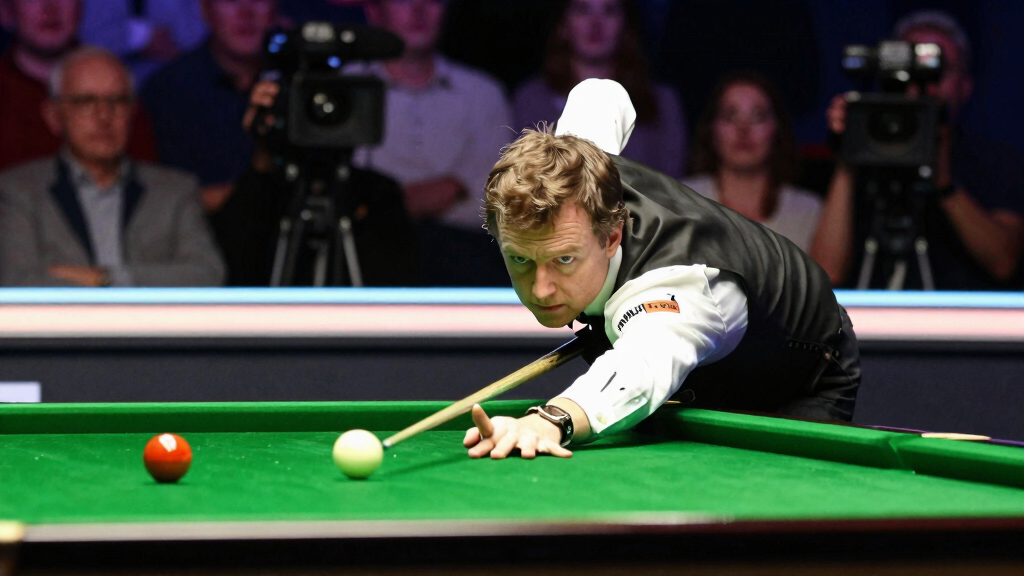
At his peak in the 1980s, Willie Thorne was one of professional snooker’s most formidable break-builders — a player nicknamed “Mr Maximum” for his ability to clear tables with devastating efficiency. Yet his story is ultimately a cautionary tale: a gambling addiction that led to bankruptcy in 2016, followed by his death from leukaemia in 2020. Thorne’s net worth at the time of his passing was negligible due to his well-documented financial difficulties, though during his playing peak he earned substantial sums through prize money and broadcasting work.
| Full Name | Willie Thorne |
|---|---|
| Date of Birth | 4 March 1954 |
| Date of Death | 17 June 2020 (aged 66) |
| Birthplace | Leicester, England |
| Nationality | British |
| Profession | Professional Snooker Player (1975–2001), BBC Commentator |
| Career-High Ranking | World No. 7 (mid-1980s) |
| Major Title | 1985 Classic |
| Nickname | Mr Maximum |
| Known For | Break-building ability; gambling addiction; 147 maximum break; BBC commentary career |
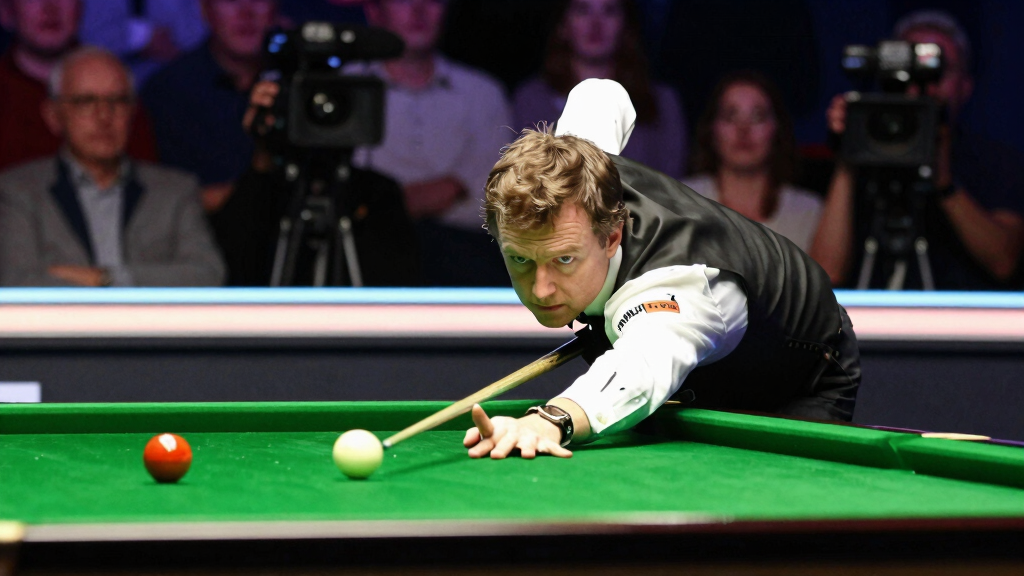
At his peak in the mid-1980s, Willie Thorne was ranked world number 7 and considered one of the most gifted break-builders in the sport.
How Willie Thorne Earned — And Lost — His Money
| Income Source | Estimated Amount | Type | Notes |
|---|---|---|---|
| Professional Snooker Prize Money (1975–2001) | £500K–£1M+ | Cumulative | Career earnings across 26 seasons; prize money grew significantly in the 1980s snooker boom |
| BBC Commentary Career (1980s–2018) | £50,000–£100,000/year | Annual (personal) | Long-running BBC snooker commentator role until dropped after 2017–18 season |
| Gambling Losses | Over £1 Million (career total) | Cumulative | Thorne publicly stated he lost more than £1 million to gambling throughout his life — a major reason for his 2016 bankruptcy |
| Net Worth at Death (2020) | Minimal | — | Declared bankrupt in 2016; estate significantly diminished by gambling and related debts |
Early Life and Introduction to Snooker
Willie Thorne was born on 4 March 1954 in Leicester, England. He discovered snooker as a young man and quickly developed into an exceptional break-builder. He turned professional in 1975 at the age of 21, entering a professional circuit that was on the cusp of the snooker boom that would make the sport a primetime BBC television staple through the 1980s.
Thorne’s natural talent lay in his ability to construct large breaks — clearing the table with a fluid, attacking style. He soon earned the nickname “Mr Maximum” for his proficiency with the cue, a reputation that preceded him as he climbed the world rankings.
Career Highlights: The 1985 Classic and Mr Maximum’s Peak
Thorne’s career peak came in the mid-1980s when snooker was at the height of its popularity as a televised sport in the UK. He won his one ranking title at the 1985 Classic, and also reached the final of the 1985 UK Championship — a match that has become one of the most celebrated in the event’s history. Thorne built up a commanding 13–8 lead over Steve Davis before Davis produced a legendary fightback to win 16–14. The defeat remains one of snooker’s most dramatic final collapses.
Thorne peaked at world number seven in the rankings during the mid-1980s and was among the first players in the sport to compile 100 century breaks in competitive play — a milestone that underlined his status as one of the game’s great break-builders. He achieved a maximum 147 break at the 1987 UK Championship, confirming that his “Mr Maximum” nickname was entirely earned.
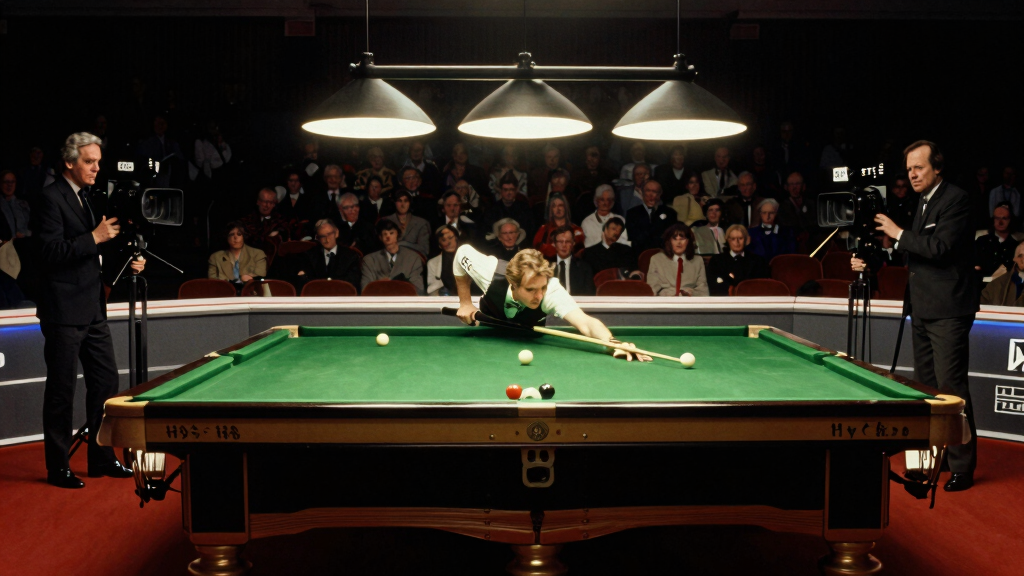
Thorne competed during snooker’s golden television era of the 1980s, when BBC coverage turned the sport into a primetime ratings phenomenon.
Gambling Addiction and Bankruptcy
Throughout his career and into retirement, Thorne battled a serious gambling addiction that he was open about in interviews and in his autobiographies. He has publicly stated that he lost more than £1 million to gambling throughout his life — a sum that eroded the substantial prize money and broadcasting income he earned during his peak years.
In 2016, Thorne was declared bankrupt — a deeply public financial collapse for a man who had been one of Britain’s best-known sports stars. He spoke honestly about his struggles with addiction, becoming something of an advocate for awareness around problem gambling in sport.
Broadcasting Career and Later Life
After retiring from professional play in 2001, Thorne joined the BBC as a snooker commentator — a role that suited his deep knowledge of the game and his engaging, anecdotal personality. He worked for the BBC from the 1980s through to 2018, when he was dropped from their broadcast team after the 2017–18 season.
In March 2020, Thorne announced that he had begun treatment for leukaemia. He died on 17 June 2020 at the age of 66, having been placed in an induced coma in a hospital in Spain after suffering respiratory failure. His death prompted tributes from across the snooker world, with many players and commentators recognising both his talent on the table and his courage in openly discussing his personal struggles.
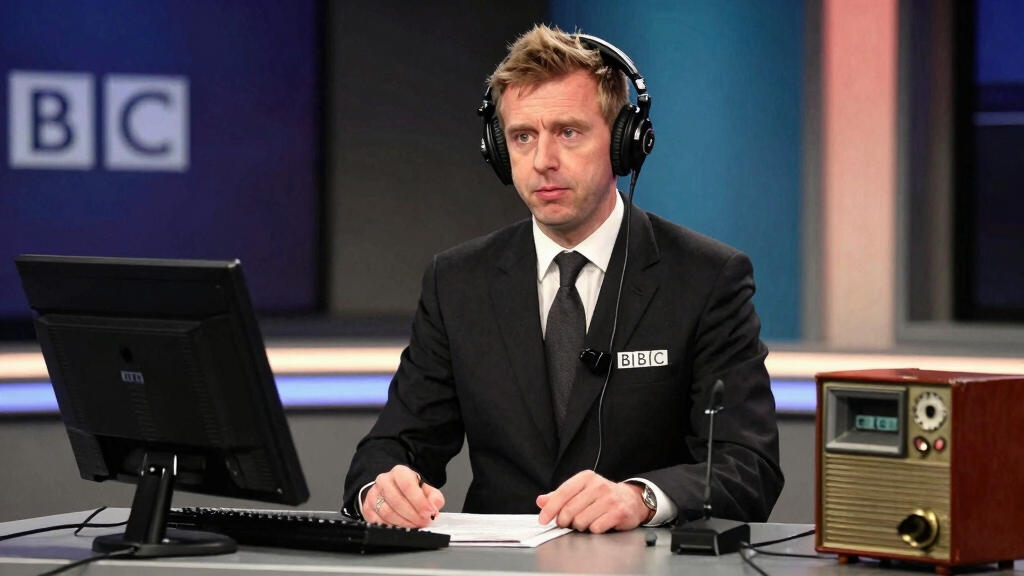
Thorne’s BBC commentary career spanned decades, making his voice as familiar to snooker fans as his playing achievements.
Net Worth History
Thorne’s financial story is a sad one. During his playing peak in the 1980s, he earned substantial prize money and had a long-running BBC commentary contract — income that should have provided considerable security. However, a career-long gambling addiction consumed the majority of these earnings. By 2016, his debts had grown to the point of forcing bankruptcy. At the time of his death in 2020, his estate was understood to be significantly diminished. His story has become one of the most prominent cautionary tales about gambling addiction in British sport.
Little-Known Facts
- Thorne was one of the first snooker players to compile 100 century breaks in competitive professional play.
- His 1985 UK Championship final defeat to Steve Davis — recovering from 13-8 down to win 16-14 — is considered one of the greatest comebacks in the event’s history.
- He publicly acknowledged losing over £1 million to gambling, making him one of sport’s most candid voices on the subject of addiction.
- He was declared bankrupt in 2016, despite earning substantial income across a 40+ year career in snooker.
- Thorne died in Spain in June 2020 while undergoing treatment for leukaemia, aged 66.
What was Willie Thorne’s net worth?
Willie Thorne’s net worth at the time of his death in 2020 was minimal, as he had been declared bankrupt in 2016 following a career-long gambling addiction in which he lost over £1 million. During his playing peak in the 1980s, he earned significant prize money and broadcasting income, but these were largely consumed by gambling losses and associated debts.
When did Willie Thorne die?
Willie Thorne died on 17 June 2020 at the age of 66. He had been diagnosed with leukaemia in March 2020 and was placed into an induced coma after suffering respiratory failure while in hospital in Spain. His death prompted tributes from across the snooker world.
What was Willie Thorne’s nickname?
Willie Thorne’s nickname was “Mr Maximum” — earned for his exceptional break-building ability and his proficiency in compiling large breaks and maximum scores at the table. He achieved a competitive maximum break of 147 at the 1987 UK Championship.
What ranking titles did Willie Thorne win?
Willie Thorne won one ranking title during his professional career: the 1985 Classic. He was also runner-up in the 1985 UK Championship — a match famous for Steve Davis recovering from 8-13 down to defeat Thorne 16-14 in one of the tournament’s most dramatic finals.
What caused Willie Thorne’s bankruptcy?
Willie Thorne was declared bankrupt in 2016 primarily due to the cumulative effects of a long-standing gambling addiction. He publicly acknowledged losing more than £1 million to gambling over the course of his life — a figure that eroded the substantial income he earned from both professional snooker and his BBC commentary career.
How long was Willie Thorne a BBC commentator?
Willie Thorne worked as a BBC snooker commentator from the 1980s until he was dropped from the BBC broadcast team after the 2017–18 season — a commentary career spanning over three decades. His voice was one of the most familiar in British snooker broadcasting during that period.
More Snooker Net Worth Profiles
See how Willie Thorne’s fortune compares with other snooker stars: John Parrott, Si Jiahui, Hossein Vafaei, David Gilbert, Joe Perry, Stephen Maguire. For the full ranking, browse our richest snooker players guide.